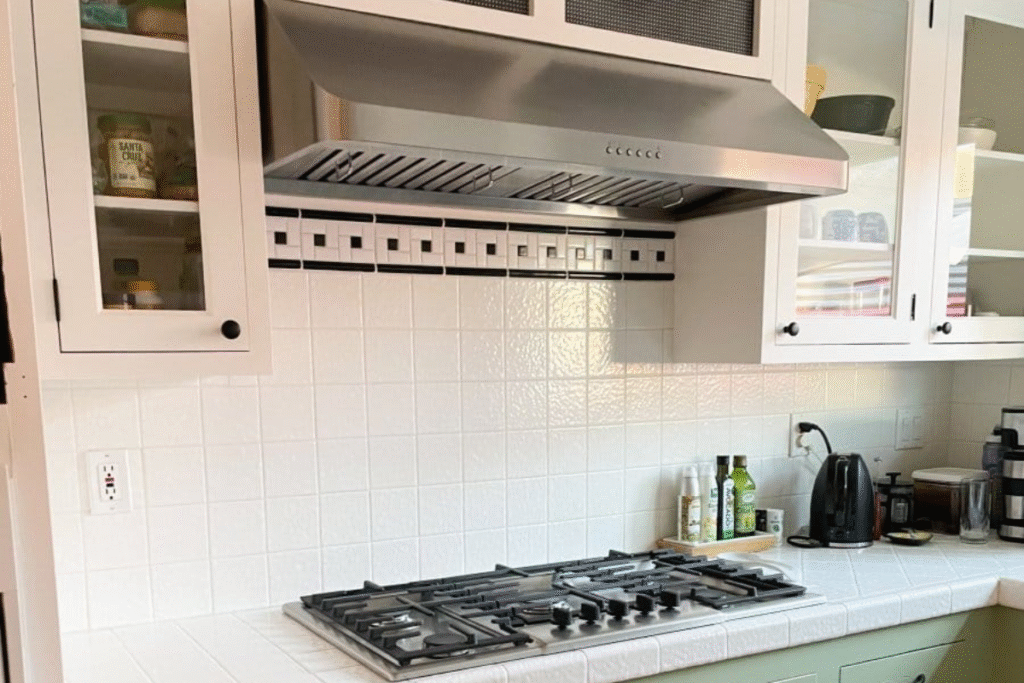
Large kitchens often promise flexibility and performance, but they also introduce serious ventilation challenges. When high-BTU burners, griddles, and multiple pots operate simultaneously, smoke and airborne grease quickly accumulate. In such spaces, a 60-inch kitchen hood becomes essential because it provides the width and power required to manage heavy cooking output. Unlike smaller systems that leave gaps in coverage, wider ventilation captures contaminants across the full cooktop surface. Without adequate airflow, lingering odors and moisture can compromise comfort, cleanliness, and even structural materials over time, leading to costly repairs and maintenance issues.
Excess Smoke That Lingers After Cooking
Persistent smoke is one of the most common complaints in expansive kitchens. During searing, frying, or wok cooking, combustion gases and fine particles rise rapidly and spread across open layouts. In the second stage of airflow design, a 60-inch kitchen hood offers extended canopy coverage, ensuring that smoke from edge burners is not left untreated. Standard hoods that are narrower than the cooking surface allow smoke to escape into the room before it can be captured.
High-capacity models often operate between 900 and 1500 CFM, which enables faster extraction of airborne pollutants. By removing smoke at the source, they prevent irritation to the eyes and respiratory system. This becomes especially important in open-concept homes where smoke can drift into living and dining areas, reducing overall indoor comfort.
Grease Buildup on Cabinets and Walls
Grease particles may appear invisible while cooking, but they settle quickly on surrounding surfaces. Over time, this residue forms a sticky film on cabinetry, backsplashes, and ceilings. Positioned strategically above large ranges, a 60-inch kitchen hood captures airborne grease before it has the opportunity to disperse. The wider design ensures consistent suction across all burners rather than concentrating airflow in the center only.
Most high-performance units include multi-layer stainless steel baffle filters engineered to trap heavy grease droplets. These filters are designed for durability and are often dishwasher safe, making maintenance more manageable. Preventing grease accumulation not only keeps surfaces cleaner but also reduces fire risks associated with combustible buildup inside ductwork.
Lingering Odors That Travel Through the Home
Strong cooking odors can persist for hours without proper ventilation. Foods such as seafood, spices, and high-heat grilled meats release compounds that easily spread beyond the kitchen. When installed over a large cooking surface, a 60-inch kitchen hood improves air exchange rates and helps remove odor-causing particles before they circulate. Effective ducted systems expel contaminated air outside rather than recirculating it indoors.
Improved odor control also supports better indoor air quality overall. Studies from building science research indicate that inadequate kitchen ventilation contributes significantly to indoor air pollution levels. By accelerating airflow and minimizing stagnant zones, a properly sized hood reduces the concentration of volatile organic compounds and combustion byproducts.
Heat and Moisture That Make Kitchens Uncomfortable
Intense cooking generates not only smoke but also heat and humidity. In large kitchens, trapped warm air can create uncomfortable working conditions and increase reliance on air conditioning systems. Installed above professional-style ranges, a 60-inch kitchen hood helps extract hot air and steam before it accumulates. This improves thermal comfort and supports balanced humidity levels.
Moisture control is particularly important because prolonged exposure to steam can damage wood cabinetry and drywall. Consistent ventilation reduces condensation on cooler surfaces, helping preserve finishes and structural integrity. By maintaining stable environmental conditions, homeowners protect both comfort and long-term property value.
Conclusion
Addressing smoke, grease, odors, heat, and poor coverage requires ventilation systems that match the scale of modern kitchens. For homeowners exploring alternatives to traditional ducted installations, options such as ductless wall-mount range hoods provide flexibility in layouts where exterior venting is not feasible. Selecting the right system ultimately ensures cleaner air, improved comfort, and a more durable kitchen environment built to handle demanding cooking routines.
