



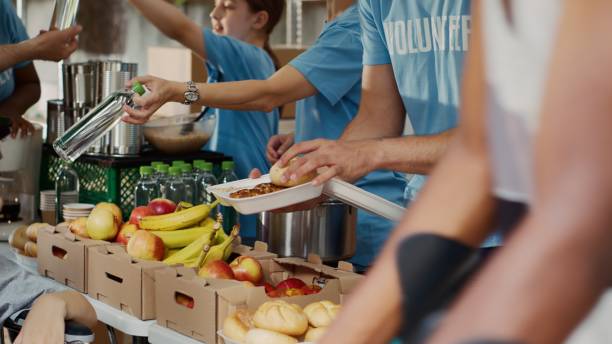
A person might go hungry without anyone noticing. Not every empty stomach lives far away or in crisis scenes. Quietly, it hides inside regular streets, within homes that appear just fine when seen from the sidewalk. When prices climb, work disappears overnight, hospital papers arrive, or life shifts without warning – meals start vanishing before realizations do. Right now, efforts built on kindness – like meals served with respect – can shift entire realities. What happens when neighbors feed neighbors? Lives transform. These local food outreach projects do more than fill stomachs – they hold up whole communities. Why does that matter so much lately? Because need is growing, quietly. People showing up, cooking, sharing time – that adds up. Anyone can step into this space, not as saviors but as helpers. Strength grows where care shows up daily, without fanfare. Small acts weave tighter bonds, unseen until you’re inside them.
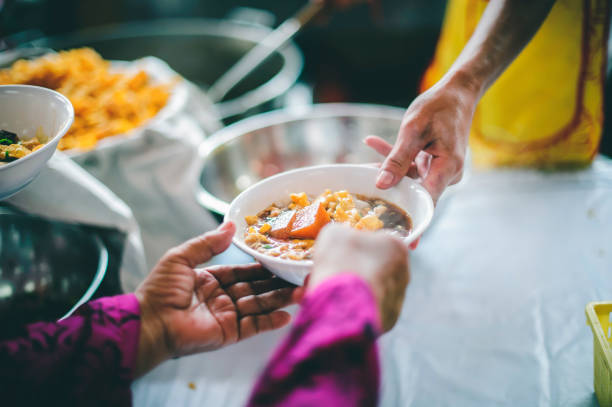
Community Nutrition Programs What They Do
Some folks find their way into community nutrition efforts just needing a meal, yet leave with new faces they recognize. Paying rent should not mean skipping dinner – that balance matters here. Meals show up alongside food to take home plus tips for feeling better daily. Spaces open where talk flows easily, laughter happens, someone might even listen. Support slips in quietly, not announced, through shared plates and time.
Families facing meal shortages often get support through community-driven efforts. When neighbors step up, food reaches tables it otherwise would not. Trust grows where consistency shows – day after day. People feel seen when help arrives without judgment. Stability returns quietly, in boxes handed out at familiar corners.
Food Insecurity Continues Despite Available Resources
Still today, hunger touches countless lives, including in wealthy nations. When prices rise fast, paychecks shrink in value, leaving less for groceries. Home payments eat up cash, making meals harder to afford. Kids at home mean more mouths to feed, stretching resources thin. Older adults live on steady but tight earnings, struggling to keep pace. People facing physical limits find it tough to work or shop freely.
Missing meals messes with your mind, body, strength. School becomes harder for kids, focus slips fast. Work feels heavier for grown-ups, energy drains quick. Helping hands show up in neighborhoods – drop-off points, shared plates appear quietly. Full stomachs bring calm. Quiet moments of dignity return. Relief arrives without speeches. Hope hides in a warm dish.
The Emotional And Social Impact Of Shared Meals
Eating together reaches past hunger. Around a table, talk flows easier, faces relax. Stories pass between bites, ties grow without force. Loneliness finds less room when plates are shared. Tough times weigh lighter if someone sits across from you. Money struggles stay present, yet feel smaller then.
A shared plate can start a conversation. When folks gather to eat, quiet moments turn into knowing nods between neighbors. Helping out at these meals changes who shows up and why. Talk flows where there once was only silence on street corners. Laughter slips in beside stories passed across plastic trays. Seeing someone daily builds something steady without needing words. Kindness grows legs when it moves from kitchen to table. What begins as food becomes threads holding blocks together. Hands passing bowls do more than serve – they recognize each other. Familiar faces replace isolation with unspoken trust.
Faith And Community Driven Efforts
Sometimes faith lights the way when communities tackle hunger. Not just meals but hope shows up too, through listening ears and steady guidance. People show up ready – kindness in hand, experience on their minds, a quiet promise to stay involved shaping how far help can go.
Food on the table matters, yet so does someone who listens. Forgotten corners of government sometimes host efforts where a meal opens doors to advice, learning, or simply having someone walk alongside. These spaces understand hunger hides deeper gaps – direction, hope, chances to start again. Change sticks when it touches more than the stomach – it grows where support covers several sides of life at once.
Social And Economic Advantages From Community Food Programs
A steady supply of good food helps neighborhoods stay strong. Because folks eat well, their days open up – school feels possible, jobs become manageable, home life steadies. Health costs dip when fewer people land in clinics needing preventable care. Workplaces hum along better when energy levels rise and absences shrink.
When kids get enough to eat, they tend to stay in school longer, miss fewer classes, then do better on tests. Health problems drop when people have steady access to meals, so hospitals see lighter loads. Work shifts fill more easily when workers are fed, meaning businesses run smoother. Learning improves not just because bellies are full but because concentration lasts longer through the day. Communities grow stronger bit by bit once basic needs stop pulling attention away from growth. Money put into meal programs spreads quietly – boosting farms, stores, even neighborhood trust over time.
Problems with community nutrition programs
Even though they matter a lot, local food efforts often struggle. Money runs short, helpers get tired, yet more folks show up needing meals. When economies dip or storms hit, hunger spreads – just as support shrinks. Growth brings more mouths to feed, but not always more help.
Finding new ways forward, leaders in these programs mix fresh ideas with teamwork. Because challenges shift constantly, they build alliances instead of working alone. Some test unusual delivery approaches while pulling neighbors into problem-solving circles. When conditions change – as they always do – access stays steady for people counting on help.
People Building Stronger Local Connections
Some folks show up by giving hours. Others help through supplies or using what they know how to do well. A quiet talk with someone struggling can matter just as much as handing out meals. Standing beside others shapes neighborhoods where getting enough to eat feels certain. Talking openly about hardship pulls people closer. Showing up without fanfare builds trust slowly. Even small efforts reshape what shared care looks like.
Starting small can lead somewhere real – like joining efforts sparked by long-overlooked missions. These moments pull you into something wider: care shaped through action, duty found in showing up. One step at a time builds who you are; ties form, awareness grows. Helping out shifts your view – not just seeing need but feeling where it lives. Meaning shows up quietly, tucked inside what you give – and somehow ends up filling you too.
Stories of Hope and Transformation
Change shows up quietly in community nutrition efforts. Once shaky dinner plates now hold steady meals, lifting spirits along with hunger. Schoolwork sharpens when kids eat reliably, while jobs stick easier for parents. Older folks move through days with more strength, less ache. Growth sneaks into lives where it seemed impossible.
What stands out is how people stepping up together changes lives. A hard start doesn’t mean a dead end, especially when others reach out. Turning moments happen quietly – like meals shared through local efforts – that slowly rebuild confidence and open doors.
Compassion and sustainability shaping what comes next
Through time, neighborhoods grow by backing lasting food options alongside care structures. When people gain better reach to good meals, know-how about eating well, or emotional wellness help, connections within groups tend to deepen while steadiness builds slowly. It happens most when neighbors work together – those lending hands, those guiding locally – all staying tuned to what shifts may come.
Programs inspired by forgotten ministries and similar initiatives demonstrate how local action can create meaningful change. Where people act together – guided by respect rather than rules – a different kind of community takes shape. These models prove care can be structured without losing its heart. Nutrition efforts built to last often mirror deeper values: fairness, presence, shared responsibility.
Conclusion
One way people help each other is through local food projects. These efforts ease hunger while also lifting spirits. Because meals bring folks together, bonds grow stronger over time. Some groups started long ago, quietly serving without praise. Their work shows what care looks like when it sticks around. A neighborhood changes when neighbors see value in one another. Growth happens slowly, built by small acts done again and again.
Frequently Asked Questions
Why do community nutrition efforts exist at their core?
Folks who worry about where their next meal is coming from might find help through local nutrition efforts. These groups show up with good food, someone to talk to, a bit of guidance. Help arrives not just on plates but in conversations too. When hunger knocks, these programs answer with more than calories – they bring connection. Learning how to stretch groceries often comes alongside the meals. Support shows itself in shared recipes, open fridges, listening ears. Not every day feels steady, yet these spaces offer something close to solid ground.
How can someone get involved in supporting community meal initiatives?
Some folks give hours of their day. Others pass along meals or money. A few offer know-how from their jobs. Still more speak up when rules need to change – rules that help neighbors eat better and get needed aid.
Why is addressing food insecurity important for community development?
Fixing hunger leads to healthier people, better school results, one step at a time building stronger neighborhoods. Fewer struggles later on come when basic needs are met early. Economic balance grows where meals are reliable. Learning thrives without empty stomachs slowing it down. Stability takes root when access to food is certain.
How do nutrition programs create long-term impact?
When hunger fades, learning begins. A meal opens doors – someone listens, grows, connects. Guidance follows food, then chances to act. Stability takes root when support meets knowledge. Independence shows up quietly, built bite by bite.
Improve XML Workflow Efficiency with Online Tools
Melbet Promo Code 2026: LUX888 – New Accounts
Scissor Lift Table Manufacturers: A Complete Guide to Smart Material Handling Solutions
Why Graphically Is Perfect for Startups Needing Consistent Design
Understanding Refusal Charges in New Jersey: A Separate Offense
About the Author