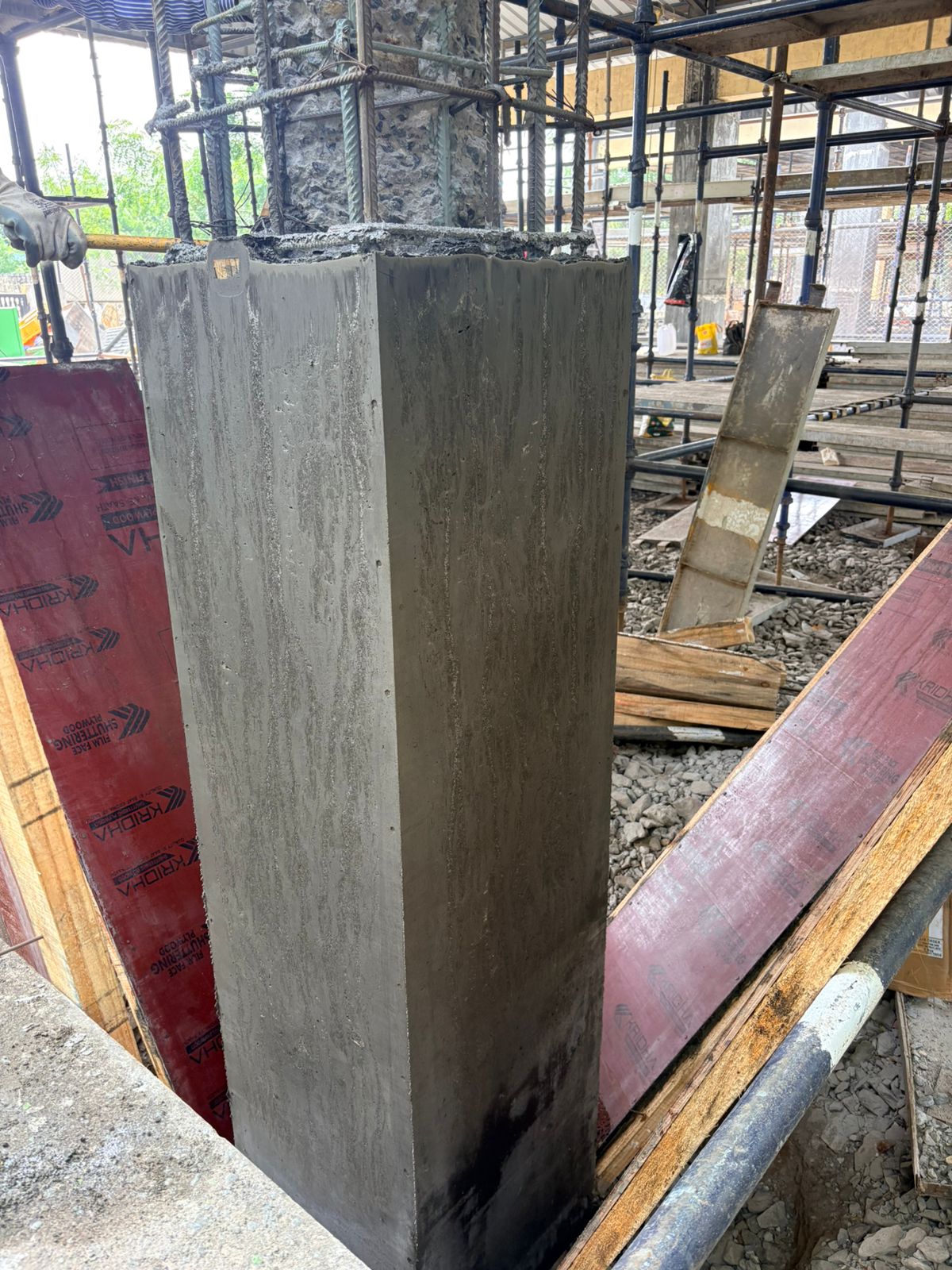
Concrete structures age over time due to load changes, environmental exposure, design limitations, or poor construction practices. When strength and safety become concerns, engineers rely on proven strengthening techniques instead of demolition. One such method is concrete jacketing service, widely used to enhance the load carrying capacity of columns, beams, and slabs. This approach supports structural stability while extending the service life of existing buildings in a practical, controlled manner.
Why Structural Strengthening Is No Longer Optional
Urban growth, change in building usage, and updated safety codes have increased the demand for structural strengthening solutions. Many older RCC structures were not designed for present-day loads or seismic requirements. Structural retrofitting becomes essential to prevent failure and ensure occupant safety. Concrete jacketing plays a critical role here by improving axial strength, stiffness, and ductility without altering the building’s original architectural character.
Understanding the Concept of Concrete Jacketing
Concrete jacketing is a structural strengthening technique where a new layer of reinforced concrete is added around existing structural members. This added layer works compositely with the old concrete, improving strength and durability. The method is commonly applied to RCC columns, beams, and sometimes slabs. It is preferred for its reliability, compatibility with existing materials, and long-term performance benefits.
Common Reasons Buildings Require Concrete Jacketing
Several factors can lead to the need for concrete jacketing in buildings. These include construction defects, corrosion of reinforcement, increased floor loads, or structural damage from earthquakes or fire. In many cases, buildings undergoing renovation or change of use also require higher load capacity. Jacketing helps address these issues effectively while minimizing disruption to occupants and operations.
Concrete Jacketing for RCC Columns
RCC column jacketing is one of the most common applications of this strengthening method. Columns are primary load-bearing elements, and any weakness directly impacts overall stability. Jacketing increases column cross-section and reinforcement, improving compressive strength and seismic performance. This technique is frequently used in earthquake retrofitting projects, commercial building upgrades, and residential safety improvements.
Beam Jacketing and Its Structural Importance
Beams transfer loads from slabs to columns, making them essential for structural integrity. When beams show cracks, deflection, or reinforcement distress, beam jacketing becomes a reliable solution. By adding reinforced concrete around the beam, bending strength and shear capacity are enhanced. This approach is especially useful in buildings facing load increases due to additional floors or heavy equipment installations.
Role of Concrete Jacketing in Seismic Retrofitting
Seismic retrofitting is a major driver behind the growing use of concrete jacketing. Older buildings often lack adequate ductility and confinement required to withstand earthquakes. Jacketing improves energy dissipation capacity and reduces brittle failure risks. It helps structures comply with updated seismic codes, making buildings safer in earthquake-prone regions without the need for complete reconstruction.
Step-by-Step Process of Concrete Jacketing
The concrete jacketing process begins with surface preparation, where existing concrete is cleaned and roughened. Damaged portions are repaired, and corrosion-treated reinforcement is exposed. Additional steel reinforcement is then fixed around the member. Formwork is installed, and high-quality concrete or micro-concrete is poured. Proper curing ensures bonding and long-term structural performance.
Materials Used in Concrete Jacketing Work
Material selection plays a vital role in the success of concrete jacketing. High-strength concrete, micro-concrete, epoxy bonding agents, and corrosion-resistant steel are commonly used. These materials ensure proper bonding between old and new concrete. Using compatible materials reduces shrinkage issues and enhances durability, especially in aggressive environments such as coastal or industrial zones.
Benefits of Choosing Concrete Jacketing
Concrete jacketing offers several advantages over alternative strengthening methods. It significantly increases load-bearing capacity and improves fire and impact resistance. The technique is well understood by engineers and contractors, ensuring predictable results. Additionally, it provides excellent durability and cost efficiency, particularly for large-scale RCC repair and rehabilitation projects across residential and commercial sectors.
Comparison with Other Structural Strengthening Methods
While methods like steel jacketing, FRP wrapping, and section enlargement exist, concrete jacketing remains widely preferred. Unlike FRP, it performs well in fire conditions. Compared to steel jacketing, it requires less maintenance and offers better compatibility with existing RCC structures. This balance of strength, durability, and cost makes it a dependable choice for long-term structural rehabilitation.
Concrete Jacketing in Building Renovation Projects
Renovation projects often involve modifying layouts, adding floors, or changing occupancy loads. These changes place additional stress on structural members. Concrete jacketing allows engineers to upgrade structural capacity without altering the building footprint. This makes it ideal for hospitals, schools, offices, and residential complexes undergoing modernization while remaining partially occupied.
Importance of Proper Design and Engineering
Successful concrete jacketing depends heavily on proper structural assessment and design. Engineers must evaluate existing strength, load paths, and failure mechanisms before recommending jacketing. Detailed calculations ensure that the new concrete and reinforcement work integrally with the old structure. Poor design can lead to bonding failure or uneven load distribution, reducing overall effectiveness.
Quality Control During Concrete Jacketing Work
Quality control is essential throughout the jacketing process. Proper surface preparation, accurate reinforcement placement, and controlled concrete mixing directly affect performance. Supervision during pouring and curing prevents voids and weak interfaces. Non-destructive testing and visual inspections are often conducted after completion to confirm structural integrity and compliance with design specifications.
Cost Factors Involved in Concrete Jacketing
The cost of concrete jacketing depends on several variables, including member size, extent of damage, material specifications, and site accessibility. While it may appear costly initially, it is often more economical than demolition and rebuilding. Long-term savings come from improved durability, reduced maintenance, and extended building lifespan, making it a financially sound investment.
Challenges and Limitations of Concrete Jacketing
Despite its advantages, concrete jacketing has certain limitations. It increases member dimensions, which may reduce usable space in some cases. Construction time can be longer compared to lightweight strengthening methods. Additionally, improper execution can lead to debonding issues. These challenges highlight the importance of experienced professionals and careful planning in jacketing projects.
Concrete Jacketing for Industrial Structures
Industrial buildings often face heavy dynamic loads, vibration, and harsh environmental conditions. Concrete jacketing is commonly used to strengthen columns and beams in factories, warehouses, and power plants. It helps structures accommodate new machinery and production demands. The method’s robustness and resistance to wear make it suitable for demanding industrial applications.
Sustainability Aspect of Concrete Jacketing
From a sustainability perspective, concrete jacketing supports resource conservation by extending the life of existing structures. It reduces construction waste and the environmental impact associated with demolition and new construction. By reusing structural frameworks, the technique aligns with sustainable building practices and contributes to reduced carbon footprint in the construction industry.
Signs That Indicate the Need for Concrete Jacketing
Visible cracks, spalling concrete, exposed reinforcement, and excessive deflection are common warning signs. Changes in building usage or addition of floors also signal the need for structural evaluation. Early intervention through jacketing prevents further deterioration and costly repairs. Regular structural audits help identify these issues before they compromise safety.
Role of Skilled Contractors in Jacketing Projects
The success of concrete jacketing largely depends on skilled execution. Experienced contractors understand site challenges, sequencing, and material behavior. Their expertise ensures proper bonding, alignment, and curing. Choosing qualified professionals reduces risks and ensures that strengthening objectives are met efficiently, safely, and in compliance with engineering standards.
Future Scope of Concrete Jacketing Services
With aging infrastructure and stricter safety regulations, the demand for concrete jacketing continues to rise. Urban redevelopment, seismic upgrading, and adaptive reuse of buildings drive its future relevance. Advancements in materials and construction techniques will further enhance performance. Concrete jacketing is set to remain a cornerstone of structural rehabilitation practices.
Concrete jacketing stands as a reliable and time-tested solution for strengthening RCC structures. Its ability to enhance safety, durability, and load capacity makes it indispensable in modern construction and renovation projects. When designed and executed correctly, it offers long-term performance and cost efficiency. As infrastructure ages, concrete jacketing will continue to play a vital role in preserving structural integrity.
