


Learning does not always have to follow a strict routine. When children are given opportunities to explore knowledge in fun and engaging ways, they become more interested and motivated. One simple method to achieve this is by using learning through quizzes as part of everyday routines. Trivia can turn ordinary moments into meaningful learning experiences without adding pressure.
Turning Everyday Moments Into Learning Opportunities
Daily routines offer many chances to introduce trivia in a natural way. Parents and teachers can ask simple questions during breakfast, car rides, or even while doing household tasks. These small interactions help children think actively and recall information without feeling like they are studying.
For example, asking a quick question about animals or weather while walking outside can make the environment more engaging. These spontaneous learning moments help children connect knowledge with real life experiences, making it easier to remember.
Using Trivia as a Warm Up Activity
Starting the day with a few trivia questions can prepare children for learning. It helps activate their minds and improves focus. In classrooms, teachers often use quick quizzes at the beginning of lessons to review previous topics.
This approach not only refreshes memory but also builds confidence. When children answer correctly, they feel encouraged to participate more. Even incorrect answers become learning opportunities when followed by simple explanations.
Incorporating Trivia Into Study Time
Trivia can also be used during study sessions to make learning less repetitive. Instead of only reading or writing, children can test their knowledge through questions. This keeps them engaged and helps reinforce what they have learned.
Parents can create short quiz breaks between study periods. These breaks provide a change of pace and prevent boredom. Over time, this method improves both concentration and retention.
Making Learning Interactive With Games
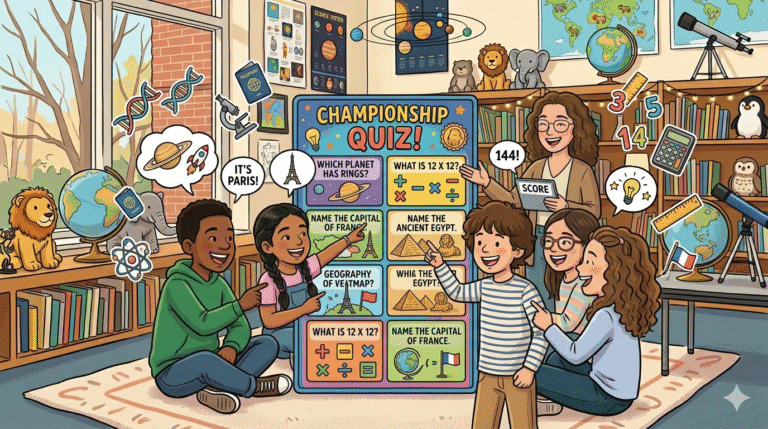
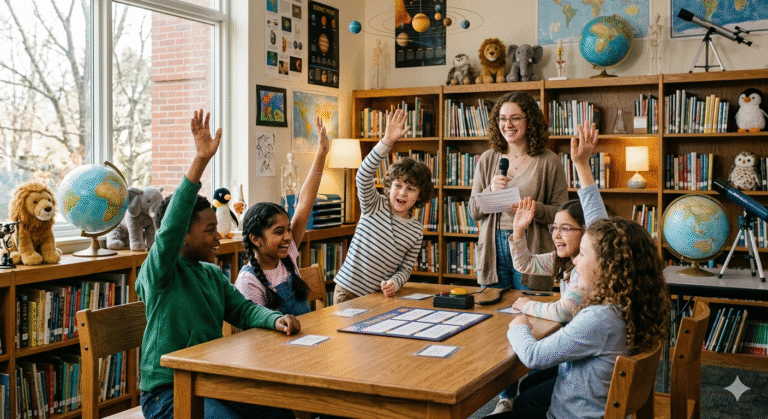
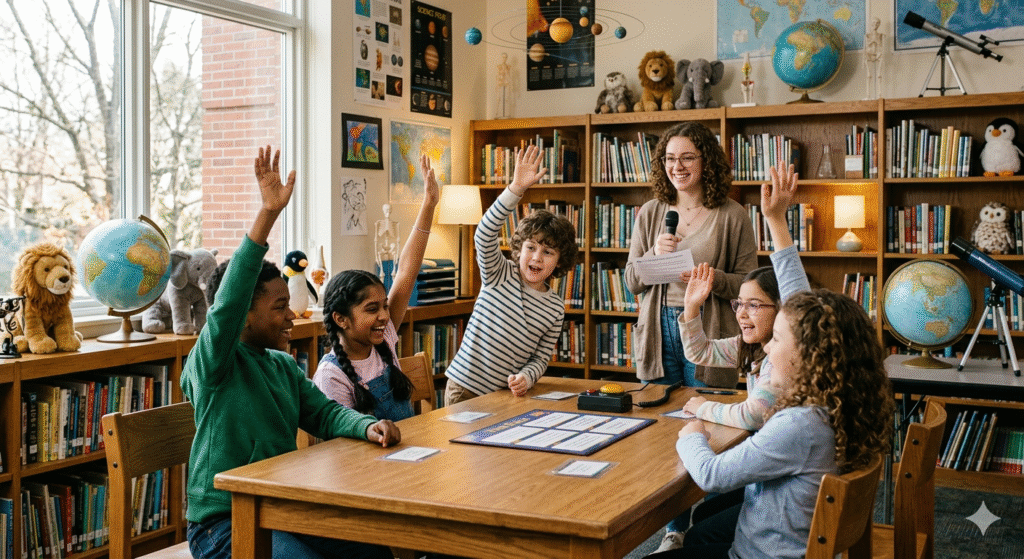
Turning trivia into games is one of the most effective ways to maintain interest. Children can compete in friendly quiz challenges or work together in teams. This adds excitement and encourages participation.
Interactive games such as rapid fire questions or picture quizzes make learning dynamic. These formats help children develop quick thinking and improve their ability to recall information. Group activities also strengthen communication and teamwork skills.
Encouraging Children to Create Questions
One creative way to use trivia is by allowing children to create their own questions. This activity requires them to think about what they have learned and present it in a new way. It also gives them a sense of responsibility and involvement.
When children take turns being the quiz leader, they gain confidence and improve their communication skills. This approach transforms them from passive learners into active participants in the learning process.
Using Technology for Trivia Learning
Digital tools can make trivia more accessible and engaging. There are many apps and online platforms that offer quizzes on various topics. These tools often include interactive features such as timers and score tracking, which add excitement.
However, it is important to balance screen time with other activities. Combining digital quizzes with offline games ensures a well rounded learning experience.
Adapting Trivia for Different Age Groups
Trivia can be easily adjusted to suit different ages and learning levels. Younger children benefit from simple and visual questions, while older children can handle more complex topics and open ended questions.
Using a mix of difficulty levels ensures that everyone stays engaged. It also allows children to challenge themselves and gradually improve their knowledge.
Building a Consistent Learning Habit
Consistency is essential when using trivia for learning. Incorporating short quiz sessions into daily routines helps children develop a habit of thinking and recalling information.
These regular activities strengthen memory and improve overall learning ability. Over time, children become more comfortable with answering questions and exploring new topics.
Keeping sessions short and enjoyable ensures that children look forward to them. This positive attitude toward learning can have lasting effects.
Long Term Benefits of Daily Trivia Use
Using trivia regularly supports more than just academic growth. Children develop important skills such as critical thinking, problem solving, and communication. They also become more curious and open to learning new things.
Trivia based learning encourages children to ask questions and seek answers. This habit of curiosity leads to deeper understanding and lifelong learning.
In addition, the enjoyable nature of trivia helps reduce stress and makes education feel less like a task. This creates a positive learning environment that benefits children in many ways.
Frequently Asked Questions
How can trivia be included in daily routines?
Trivia can be added during meals, travel time, or short breaks. Simple questions can turn everyday moments into learning opportunities.
Is trivia effective for improving memory?
Yes, trivia encourages active recall, which strengthens memory and helps children retain information more effectively.
Can children create their own trivia questions?
Yes, creating questions helps children think critically and reinforces what they have learned.
How long should daily trivia sessions be?
Short sessions of five to ten minutes are usually enough to keep children engaged and focused.
About the Author