



Running a business today means keeping up with how customers prefer to pay. Over the years, the tools used to process payments have changed a lot. What once required large machines and fixed counters can now be done with small, portable devices.
Point-of-sale (POS) systems are no longer just about taking payments—they now help manage sales, track inventory, and improve customer service. Because of this shift, many businesses are moving away from traditional POS systems and exploring newer, more flexible options like the Dejavoo P5.
What Is a Traditional POS System?
A traditional POS system is the setup most people are familiar with in stores. It usually includes a computer, a cash register, a card machine, and a receipt printer. Everything is placed at a checkout counter where customers go to pay.
These systems are built to stay in one place. They are reliable and have been used for many years, especially in retail shops and restaurants.
How It Works
In a traditional setup, all transactions happen at the counter. The system stores data locally, meaning it keeps records inside the store rather than online. Staff must use the same machine to process payments and check reports.
Strengths of Traditional Systems
Traditional POS systems are known for being stable. They can often continue working even if the internet is slow or not available. This makes them useful in areas where connectivity is not always reliable.
They are also familiar to many employees, so training is usually simple.
Limitations to Consider
However, these systems can feel outdated in today’s fast-moving business world. They are not portable, which means customers always have to come to the counter. They also don’t easily connect with modern tools or allow remote access to data.
What Is the Dejavoo P5?
The Dejavoo P5 is a modern, handheld POS device designed to make payments easier and more flexible. Instead of using multiple machines, this device combines everything into one compact unit.
It runs on an Android system and comes with a touchscreen, built-in connectivity, and support for different types of payments. This allows businesses to process transactions from almost anywhere.
Key Differences Between Dejavoo P5 and Traditional POS Systems
Mobility and Ease of Use
One of the biggest differences is mobility. Traditional systems stay fixed at a counter, while the Dejavoo P5 can be carried around easily.
This means businesses can take payments at the table, at the door, or even outside the store. It removes the need for customers to wait in line, which can improve their overall experience.
Hardware Setup
Traditional POS systems often require several devices working together. This includes a computer, scanner, and printer. Setting everything up can take time and space.
The Dejavoo P5, on the other hand, is an all-in-one device. Everything needed to process payments is already built in, making it much simpler to use and manage.
Payment Options
Older POS systems usually support basic payment methods like cash and card swipes. While they may handle chip cards, they don’t always support newer options.
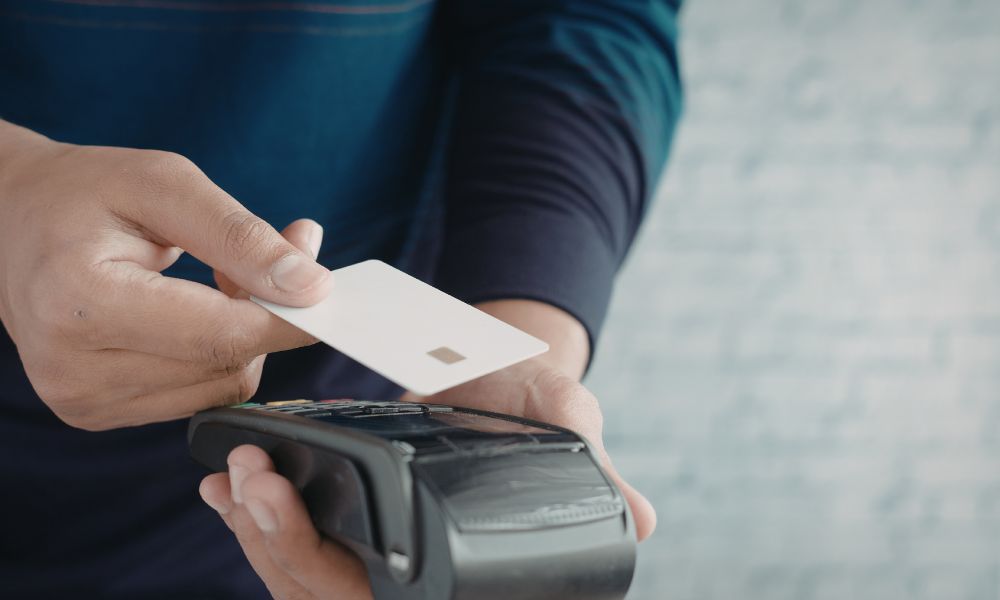
The Dejavoo P5 supports a wide range of payment methods, including contactless payments and mobile wallets. This is important because many customers now prefer quick, tap-to-pay options.
Data Access and Storage
Traditional systems store data locally, which means you can only access reports from the physical location.
Modern devices like the Dejavoo P5 use cloud-based systems. This allows business owners to check sales, monitor performance, and manage operations from anywhere.
User Experience
Traditional POS systems often have older interfaces that may take time to learn. Employees may need training before they can use them properly.
The Dejavoo P5 uses a touchscreen similar to a smartphone. This makes it easier for staff to learn and use quickly, reducing training time.
Cost and Maintenance
Traditional POS systems usually require a higher upfront cost because of the hardware involved. Maintenance and upgrades can also add to the expense over time.
The Dejavoo P5 is generally more affordable to start with. Since it combines multiple features into one device, businesses can save money on equipment and maintenance.
Which Businesses Benefit Most from Each Option?
Traditional POS systems are still useful for businesses that operate from a fixed location and handle a high number of transactions at a single counter. Grocery stores and large retail outlets often fall into this category.
The Dejavoo P5 is better suited for businesses that need flexibility. This includes restaurants, delivery services, small shops, and businesses that operate in different locations. It allows them to serve customers more efficiently without being tied to one spot.
Advantages of the Dejavoo P5
The Dejavoo P5 helps businesses move faster and serve customers better. Since payments can be taken anywhere, it reduces waiting time and improves service flow.
It also gives business owners access to real-time information, helping them make better decisions. As payment methods continue to change, having a device that supports modern options is a big advantage.
Advantages of Traditional POS Systems
Even with newer technology available, traditional systems still have their place. They are dependable and can work without constant internet access.
For businesses that prefer simple setups and do not need mobility, these systems can still be a practical choice.
Challenges to Think About
While the Dejavoo P5 offers many benefits, it does rely on internet connectivity for full functionality. Businesses need a stable connection to get the most out of it.
Traditional systems, although reliable, can limit growth because they lack flexibility and modern features.
The Direction POS Systems Are Heading
The shift from traditional systems to mobile devices shows how business needs are changing. Today, speed, convenience, and flexibility are more important than ever.
Customers expect quick and easy payment options, and businesses need tools that can keep up. Mobile POS devices are becoming more common because they meet these expectations.
Conclusion
The main difference between the Dejavoo P5 and traditional POS systems comes down to flexibility versus stability.
Traditional systems are strong, reliable, and suitable for fixed locations. However, they can feel limited in a world that values speed and mobility.
The Dejavoo P5 offers a more modern approach. It allows businesses to move freely, accept different types of payments, and access data from anywhere.
Choosing between the two depends on how your business operates. If you need mobility and modern features, the Dejavoo P5 is a strong option. If you prefer a fixed and simple setup, a traditional POS system may still work well.
Understanding these differences can help you make the right decision for your business and prepare for the future of payments.
About the Author