Introduction: What If Your Face Could Reveal Your Sleep Disorder?
Imagine pointing your smartphone camera at your face for 60 seconds — and getting a clinically informed assessment of whether you might have sleep apnea. No hospital visit. No wires. No overnight stay in a sleep lab. Just intelligent technology working in seconds to flag a condition that affects an estimated 100 million Indians — most of whom don’t even know they have it.
This is no longer science fiction. AI-powered face scanning for sleep apnea detection is here, and BreatheNest is bringing this breakthrough digital health screening for sleep disorders directly to you — at home, on demand, and at no cost.
The Silent Epidemic: Why Sleep Apnea Goes Undiagnosed
Obstructive Sleep Apnea (OSA) is one of the most underdiagnosed conditions in India. It occurs when the muscles in the throat relax during sleep, causing the airway to narrow or close completely — stopping breathing for seconds or even minutes at a time, repeatedly through the night.
The consequences are serious:
- Chronic fatigue and daytime sleepiness
- High blood pressure and increased cardiac risk
- Type 2 diabetes complications
- Depression and cognitive decline
- Road and workplace accidents due to impaired alertness
Yet despite these risks, most people with sleep apnea never get diagnosed. Why? Because traditional diagnosis requires a Polysomnography (PSG) test — an overnight stay in a sleep lab, expensive equipment, and specialist interpretation. For millions of Indians, that barrier is simply too high.
That’s exactly the gap BreatheNest’s AI face scan sleep apnea test is designed to close.
How Does AI Face Scanning Detect Sleep Apnea?
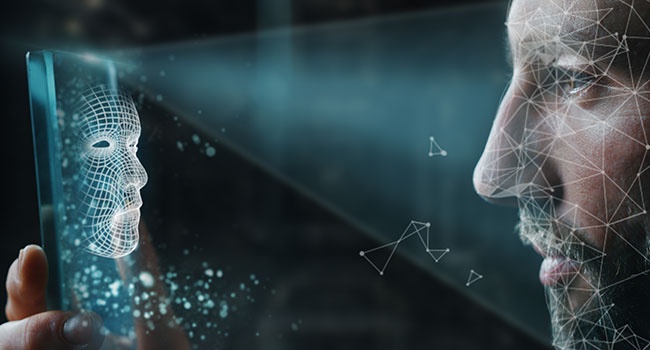
The science behind AI-powered sleep apnea screening is rooted in a technology called remote photoplethysmography (rPPG) — combined with advanced facial landmark analysis and machine learning models trained on thousands of clinical cases.
Here’s how it works:
1. Facial Analysis The AI scans structural facial features — jaw shape, neck geometry, tongue position indicators, and nasal passage markers — that are clinically associated with a higher risk of obstructive sleep apnea.
2. Cardiovascular Signal Detection Using your phone’s camera, the AI detects subtle color changes in your skin caused by blood flow — measuring your heart rate variability, oxygen saturation trends, and vascular tone without any wearable device.
3. Risk Scoring Within seconds, the algorithm cross-references your facial data and physiological signals with a validated clinical model to generate a sleep apnea risk score — categorized as low, moderate, or high risk.
4. Personalized Recommendations Based on your result, BreatheNest guides you toward the right next step — whether that’s a home sleep study, a consultation with a sleep specialist, or immediate CPAP/BiPAP therapy rental.
AI Face Scanner vs. Traditional Sleep Apnea Testing
| Feature | AI Face Scanner | Hospital Sleep Study |
| Location | Home | Sleep Lab |
| Duration | 60 seconds | 8+ hours |
| Cost | Free / Minimal | ₹8,000–₹25,000 |
| Comfort | High | Low |
| Result Speed | Instant | 24–72 hours |
| Diagnostic Depth | Screening level | Full diagnosis |
| Ideal For | First-step screening | Confirmed diagnosis |
The AI face scanner is not a replacement for a full Polysomnography test — but it is the smartest, fastest, and most accessible first step toward getting diagnosed and treated.
Who Should Use BreatheNest’s AI Sleep Apnea Screening?
This home sleep apnea screening AI tool is ideal for anyone who:
- Snores loudly or has been told they stop breathing during sleep
- Wakes up with headaches, dry mouth, or feeling unrefreshed
- Experiences excessive daytime sleepiness despite adequate sleep hours
- Has been told they should get a snoring test at home
- Wants to screen for sleep apnea without a hospital visit
- Has risk factors like obesity, a thick neck, or a recessed jaw
- Is managing hypertension, diabetes, or heart disease — all closely linked to OSA
Even if you feel fine, if anyone in your family snores heavily or shows signs of disrupted sleep, BreatheNest’s AI-powered snoring and sleep apnea diagnosis tool can be the first step toward life-changing answers.
From Screening to Solution: BreatheNest’s Complete Sleep Care Journey
What makes BreatheNest unique is that the AI face scanner isn’t just a standalone tool — it’s the entry point into a complete, end-to-end sleep health ecosystem:
Screen → Use our free AI face scan to assess your risk in 60 seconds
Test → Rent a home sleep study machine for a full Polysomnography test at home
Diagnose → Receive a specialist-reviewed diagnostic report within 48 hours
Treat → Rent or buy a CPAP or BiPAP machine with the right mask, delivered to your door
Monitor → Track your therapy progress with ongoing support from our respiratory care team
No other platform in India connects all these dots the way BreatheNest does.
Why BreatheNest’s AI Health Monitoring Is Different
There are many health apps claiming to detect sleep disorders — but BreatheNest’s approach is grounded in clinical validation, medical-grade technology, and human expert oversight.
- ✅ AI model trained on clinically verified sleep disorder datasets
- ✅ Results reviewed by board-certified sleep specialists
- ✅ Integrated with real diagnostic pathways — not just a risk score
- ✅ No wearable, no subscription, no hospital visit required for initial screening
- ✅ Available pan-India with full follow-up support
Conclusion: Your Face Knows More Than You Think
Sleep apnea is not just a snoring problem — it is a serious medical condition that silently damages your heart, brain, and quality of life every single night. And for too long, the barriers to diagnosis have kept millions of Indians in the dark.
BreatheNest’s AI face scanner for sleep apnea tears down those barriers. In 60 seconds, from your home, you can take the first step toward sleeping better, living longer, and breathing freely.
Scan your face. Know your risk. Take back your sleep — with BreatheNest.
