




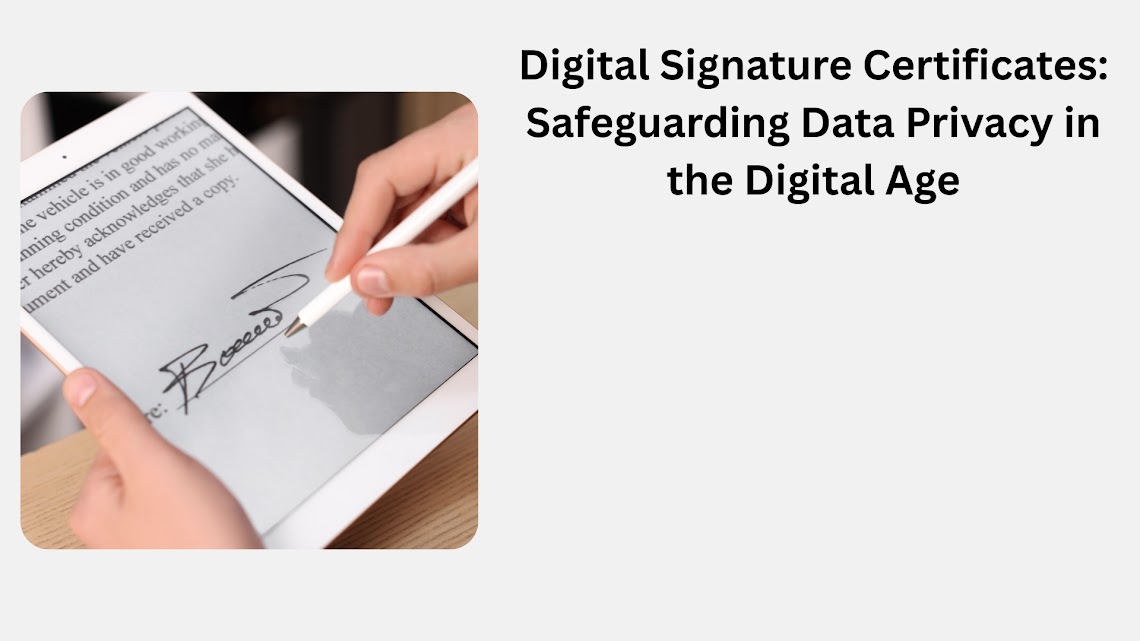
In today’s digital era, where cyber threats and data breaches are growing rapidly, protecting sensitive information has become a top priority for businesses, individuals, and governments alike. Among various cybersecurity solutions, Digital Signature Certificate (DSCs) have emerged as a critical tool to ensure secure digital communications and protect data privacy. Beyond verifying identities, DSCs guarantee the integrity and confidentiality of online transactions, making them indispensable in modern digital operations.
From signing legal agreements to securing financial transactions, DSCs form a robust foundation for safe and trustworthy digital interactions. This article delves into the importance of digital signature certificates, their role in safeguarding privacy, practical applications, and the evolving future of digital security.
What Are Digital Signature Certificates?
A Digital Signature Certificate (DSC) is an electronic certificate issued by a licensed Certifying Authority (CA). It acts as a digital equivalent of a handwritten signature, providing authentication, integrity, and non-repudiation for electronic documents and transactions. DSCs are widely used to:
- Verify the identity of users in online communications
- Prevent unauthorized changes to digital documents
- Secure financial and e-commerce transactions
- Comply with industry-specific legal and regulatory requirements
How to Apply for a Digital Signature Certificate
The application process for a DSC is simple and fully digital:
- Start on the Website: Visit the provider’s official portal to begin.
- Enter Required Details:
- Select user type: individual or organization
- Choose certificate type: signing only, or signing and encryption
- Specify validity duration
- Provide personal details: name, email, phone number, and address
- Accept terms and submit the form
- Select Token Option: Decide whether to use an existing USB token or request a new one.
- Make Payment: Complete the payment via net banking, credit/debit card, or UPI.
- Verification: Review the details and submit the application.
- Receive DSC: Once processed, the digital signature is delivered on a secure USB token.
The Role of DSCs in Protecting Data Privacy
Data privacy involves controlling how personal and organizational information is collected, shared, and stored. DSCs play a vital role in enhancing privacy through the following mechanisms:
1. Authentication and Identity Security
Digital interactions are vulnerable to identity theft and impersonation. DSCs prevent unauthorized access by confirming that only verified individuals can sign or access sensitive data. Using public key infrastructure (PKI), each signature is unique and impossible to forge.
2. Data Integrity and Non-Repudiation
Once a document is digitally signed, any alteration invalidates the signature. This ensures data remains unmodified and authentic. Non-repudiation prevents the signer from denying their signature later, providing legal protection in case of disputes.
3. Encryption for Secure Transmission
DSCs incorporate encryption protocols that protect data during transmission, ensuring that only authorized recipients can access the information. This is especially important for financial, healthcare, and legal sectors, where data confidentiality is crucial.
4. Regulatory Compliance and Legal Validity
Digital signatures help organizations comply with laws and regulations globally, such as India’s Information Technology Act, Europe’s eIDAS Regulation, and the USA’s ESIGN Act. Using DSCs ensures secure handling of sensitive data while avoiding legal penalties.
5. Reducing Exposure in Online Transactions
DSCs minimize the need to repeatedly share personal identifiers, reducing the risk of sensitive information being intercepted or misused. Cryptographic keys protect data even if intercepted during transmission.
Key Advantages of Digital Signature Certificates in Data Privacy
- Enhanced Security: Strong encryption safeguards sensitive information from cyber threats.
- Efficiency and Cost Savings: Digital signatures reduce paperwork, speed up approvals, and eliminate manual verification.
- Trust and Transparency: Businesses using DSCs gain credibility with clients and partners.
- Scalability: DSCs accommodate secure transactions for organizations of any size, from startups to large corporations.
- Fraud Prevention: Digital signatures prevent document forgery, reducing financial and reputational risks.
Applications of Digital Signature Certificates
1. Financial Sector
Banks and financial institutions use DSCs for online banking, stock transactions, loan approvals, and digital invoices, reducing fraud risks and ensuring transaction security.
2. Healthcare
With electronic health records (EHRs) becoming standard, DSCs secure patient data, ensuring compliance with privacy laws such as HIPAA and GDPR, and preventing unauthorized access.
3. Legal Industry
Law firms and courts use digital signatures to authenticate e-contracts, affidavits, and court documents, streamlining workflows while maintaining legal validity.
4. E-Governance
Governments implement DSCs for online tax filings, company registrations, tenders, and public service applications, reducing paperwork and protecting sensitive citizen data.
5. Corporate Security
Organizations use DSCs for employee verification, payroll management, and confidential communications, ensuring internal documents remain secure.
Future Trends in Digital Signatures and Privacy
As technology evolves, DSCs are expected to become even more secure and user-friendly. Emerging trends include:
- Blockchain-Based Authentication: Tamper-proof digital signatures for enhanced security.
- AI-Enhanced DSCs: Automation of compliance tracking and document verification.
- Biometric Digital Signatures: Combining fingerprints or facial recognition with DSCs for higher authentication levels.
- Integration with Smart Contracts: Using DSCs for automated, legally binding transactions in decentralized systems.
Global regulations are becoming stricter regarding data privacy, making DSCs an essential tool for compliance. As organizations increasingly prioritize cybersecurity, demand for digital signatures will continue to rise.
Suggested read:- Digital Signature Certificate for Income Tax
Conclusion
Digital Signature Certificates are a cornerstone of secure digital operations. They ensure authentication, data integrity, encryption, and regulatory compliance, reducing the risk of cyberattacks and fraud. From financial transactions to legal documentation, DSCs enable secure, trustworthy digital communication.
As businesses adopt advanced technologies and digital workflows, DSCs will play an even more significant role in protecting sensitive data. Organizations that implement DSCs not only strengthen cybersecurity but also foster trust with clients, partners, and stakeholders. Investing in digital signatures today is a proactive step toward a secure, privacy-focused, and digitally resilient future.
About the Author