

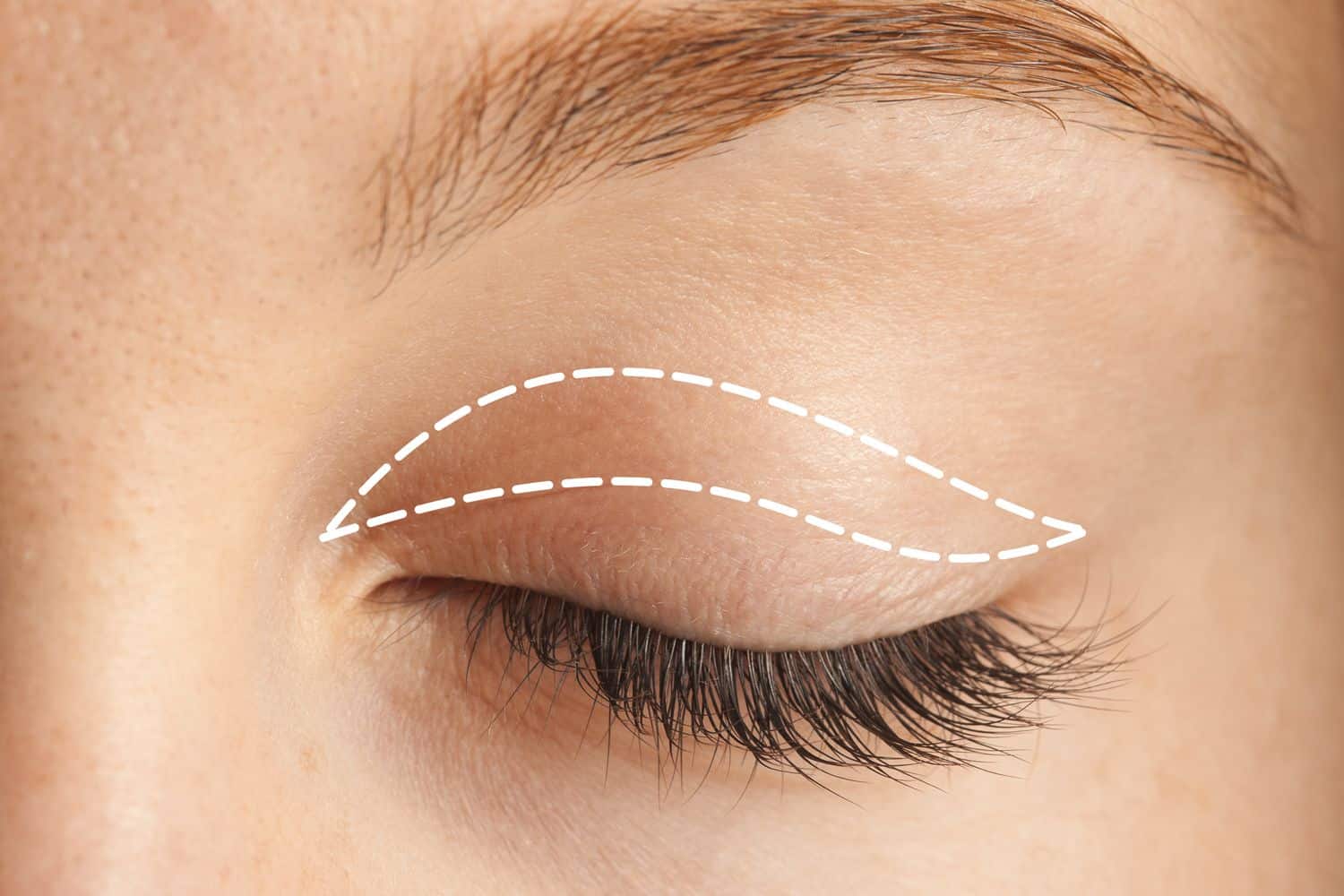
Eyelid surgery, also known as blepharoplasty, is a procedure designed to enhance the appearance and function of the eyelids. While it is commonly associated with aesthetic improvements, such as reducing droopy lids, puffiness, or under-eye bags, it can also have important functional benefits. One question many people have is whether Eyelid Surgery in Abu Dhabi can improve peripheral vision. Understanding how eyelid changes affect vision and how surgery addresses these issues can help clarify the benefits of the procedure.
How Droopy Eyelids Affect Vision
Drooping upper eyelids, medically referred to as ptosis or dermatochalasis when caused by excess skin, can interfere with peripheral vision. When the eyelid skin hangs over the eye, it may partially obstruct the field of sight, particularly the upper and outer areas. This can make everyday activities—such as driving, reading, or using a computer—more challenging.
Even mild drooping can subconsciously cause individuals to tilt their head backward or raise their eyebrows constantly to see clearly. Over time, this can lead to discomfort, eye strain, and headaches. In such cases, eyelid surgery is not just cosmetic but also functional, aiming to restore unobstructed vision and reduce strain.
How Eyelid Surgery Restores Peripheral Vision
Upper eyelid surgery removes excess skin and repositions the underlying tissues to create a more natural eyelid contour. By lifting drooping lids, the procedure clears the visual pathway, allowing light to enter the eye fully and improving the upper peripheral field.
For patients with significant eyelid obstruction, the improvement in peripheral vision can be immediate once the excess tissue is removed. This functional benefit often complements the aesthetic enhancement, as the eyes appear larger, more open, and more alert after surgery.
Additional Functional Benefits
Improving peripheral vision is just one of the functional advantages of eyelid surgery. By alleviating the obstruction caused by droopy eyelids, the procedure can:
- Reduce the need to tilt the head or raise eyebrows constantly
- Decrease eye fatigue and strain during daily activities
- Enhance overall comfort around the eyes
These functional improvements often have a significant impact on quality of life, particularly for individuals whose eyelid drooping interferes with work or leisure activities.
Age and the Effect on Peripheral Vision
Eyelid changes that affect vision can occur at various ages. While aging is the most common factor, genetics can also play a role, causing early eyelid sagging in some individuals. Older adults may notice more pronounced drooping that affects daily vision, making surgery particularly beneficial for both appearance and function.
Younger adults with mild drooping may experience aesthetic concerns primarily, but surgery can also prevent further vision obstruction as the eyelids continue to age. Therefore, eyelid surgery can be both preventive and corrective depending on the individual’s needs.
Eyelid Surgery for Upper vs. Lower Lids
While the primary impact on peripheral vision comes from the upper eyelids, lower eyelid surgery can enhance overall eye function and appearance. Lower eyelid procedures typically address puffiness, under-eye bags, or sagging, contributing to a more youthful and balanced look. Although these changes do not directly affect peripheral vision, they complement upper eyelid surgery and create an overall refreshed eye area.
Recovery and Vision Improvement
After eyelid surgery, patients often notice immediate improvement in vision once swelling and initial healing occur. Some temporary changes, such as mild blurriness or irritation, may be present in the first few days. However, as recovery progresses, the visual benefits—including improved peripheral vision—become more pronounced. Proper post-operative care ensures optimal healing and long-term results.
Emotional and Psychological Benefits
Restoring peripheral vision can also have a positive psychological effect. Individuals often feel more confident in their daily activities, as improved vision reduces limitations and discomfort. Additionally, the combination of aesthetic enhancement and functional improvement can boost self-esteem, making the eyes appear both youthful and alert.
FAQs About Eyelid Surgery and Peripheral Vision
Can eyelid surgery really improve vision?
Yes, particularly for patients whose drooping upper eyelids obstruct the visual field. Removing excess skin restores the upper and peripheral vision pathways.
How soon after surgery will vision improve?
Improvement is often noticeable once initial swelling and bruising subside, usually within a few weeks.
Does surgery help if the eyelids are only mildly droopy?
Even mild drooping can benefit, both in appearance and potentially in preventing future vision obstruction.
Is eyelid surgery suitable for older adults?
Yes, older adults often experience the greatest functional improvement, as vision obstruction tends to be more pronounced.
Are the results permanent?
The surgical correction is long-lasting. While natural aging continues, the improvement in peripheral vision from removing excess tissue remains durable.
Final Thoughts on Eyelid Surgery and Peripheral Vision
Eyelid surgery offers more than cosmetic benefits—it can significantly improve peripheral vision for individuals with drooping upper eyelids. By removing excess skin and repositioning tissue, the procedure restores unobstructed sight, reduces eye strain, and enhances comfort during daily activities.
When combined with aesthetic improvements, such as lifting sagging lids and refining under-eye contours, eyelid surgery provides a comprehensive enhancement to both function and appearance. For many patients, the dual benefits of restored vision and a refreshed, youthful look make eyelid surgery a transformative and worthwhile procedure.
Top-Rated Beirut Escorts Offering Sophisticated Experiences
Saving Time and Money with a Healthcare Virtual Assistant Today
What to Look for When Choosing a Trade Show Booth Manufacturer in the U.S.?
How Recreational Cannabis Stores Work: Rules and Regulations
Remote Bookkeeping Services Australia: The Invisible Engine Behind Modern Businesses
About the Author