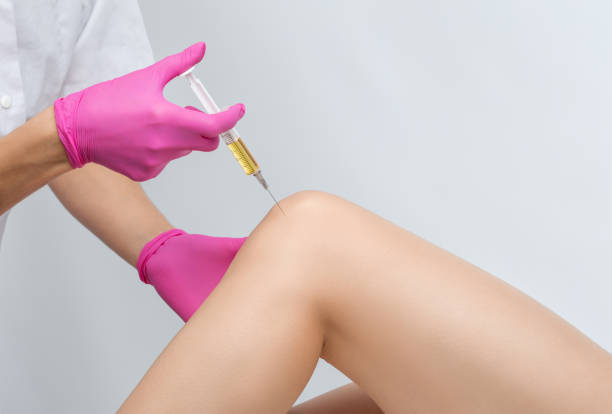
Knee pain and joint problems, whether due to arthritis, injuries, or chronic wear, often require long-term solutions to maintain mobility and quality of life. PRP injections for knees in Abu Dhabi have gained popularity as a regenerative approach, but a common question is whether their effects last over the long term. Understanding how PRP works, what it targets, and how it interacts with knee tissues can clarify its potential for long-lasting benefits.
How PRP Works in the Knee
PRP is created from a person’s own blood. Through a concentration process, platelets are separated and combined into plasma containing high levels of growth factors. When injected into the knee, these growth factors signal cells within cartilage, ligaments, tendons, and the joint lining to repair, regenerate, and maintain tissue health. Rather than masking symptoms, PRP works biologically to improve the quality of joint tissues over time.
Long-Term Benefits for Knee Tissues
PRP supports several key tissues in the knee:
Cartilage: Cartilage is essential for smooth movement, but it has limited ability to repair itself. PRP stimulates cartilage cells, helping them maintain structure and resilience. This can slow degeneration and contribute to longer-term joint stability.
Ligaments and Tendons: These tissues are crucial for knee stability. PRP promotes collagen production and tissue remodeling, strengthening ligaments and tendons over time. This can improve functional support and reduce the risk of future injury.
Joint Environment: PRP helps regulate inflammation and improves the overall biological environment of the knee. A healthier joint environment supports long-term tissue health and reduces ongoing stress on the knee structures.
Duration of PRP Effects
The longevity of PRP’s effects varies depending on factors such as the severity of the knee condition, age, activity level, and lifestyle. Studies and clinical observations suggest that benefits can last several months to over a year in many individuals, particularly in cases of mild to moderate degeneration. The effects are gradual because PRP encourages tissues to repair and strengthen over time rather than providing instant structural changes.
PRP in Early vs. Advanced Knee Conditions
PRP tends to have longer-lasting effects in early-stage knee issues. When cartilage, ligaments, and tendons are still relatively healthy, growth factors can stimulate tissue repair and maintain function more effectively.
In advanced knee conditions, such as severe arthritis or significant cartilage loss, PRP can improve comfort, mobility, and tissue quality, but it may not provide permanent structural correction. In such cases, repeated treatments or additional interventions may be necessary to maintain long-term benefits.
Factors That Support Long-Term Effectiveness
The long-term success of PRP injections often depends on several factors:
Follow-up Care: Maintaining joint health through controlled movement, strengthening exercises, and proper care enhances PRP’s effectiveness.
Severity of Condition: Milder degeneration and earlier injuries respond better, leading to longer-lasting improvement.
Lifestyle Factors: Maintaining a healthy weight, avoiding repetitive strain, and using appropriate protective techniques support sustained joint health.
Precision of Treatment: Accurate injection placement and high-quality PRP preparation contribute to optimal tissue response and long-term benefits.
Functional Improvements Over Time
Long-term success is not only measured by the absence of pain but also by improved function. Individuals often notice smoother movement, reduced stiffness, and better joint stability months after treatment. These functional improvements indicate that the tissues are responding and adapting to the biological signals provided by PRP, supporting long-term knee health.
Complementing PRP With Other Joint Care
PRP is most effective as part of a broader joint care strategy. While it promotes tissue repair and regeneration, maintaining long-term knee health requires ongoing attention to movement habits, strengthening exercises, and lifestyle management. When combined with these strategies, PRP can extend its benefits and help delay or reduce the need for more invasive treatments.
Frequently Asked Questions About PRP Long-Term
Does PRP provide permanent relief?
PRP is not permanent and does not cure structural damage. Its effects can last months to over a year depending on the condition and ongoing care.
Can PRP slow arthritis progression?
Yes, PRP can support cartilage and joint tissues, potentially slowing early degeneration and improving long-term function.
How often might PRP need to be repeated?
The need for repeat treatments depends on individual response, severity of knee degeneration, and lifestyle factors. Some people benefit from occasional follow-up injections.
Is PRP effective in severe knee conditions long term?
PRP can improve comfort and function but may not fully address advanced structural damage. Long-term effectiveness is typically greater in early to moderate conditions.
What supports PRP results over time?
Healthy joint habits, strengthening exercises, controlled activity, and overall physical conditioning enhance long-term outcomes.
Conclusion
PRP injections for knees can work long term, especially for mild to moderate joint issues. By stimulating tissue repair, strengthening ligaments and tendons, supporting cartilage, and improving the joint environment, PRP helps maintain knee function and comfort over time. While it is not a permanent cure, many individuals experience functional improvements, slower progression of degeneration, and reduced discomfort that can last months or even over a year. Integrating PRP into a broader joint care plan further supports its long-term effectiveness, making it a valuable regenerative option for those looking to preserve knee health.
