

Tattoo removal has become a widely sought procedure as people seek to modify or erase body art. One common question is how well removal treatments work on different tattoo colors, particularly black versus colored tattoos, a concern that Tattoo Removal Abu Dhabi addresses with specialized techniques. Understanding how pigments respond to removal methods helps set realistic expectations and allows individuals to plan effectively.
Understanding Tattoo Pigments
Tattoos are made up of pigments embedded in the dermis layer of the skin. Black tattoos generally use carbon-based pigments that are dense and absorb light efficiently. Colored tattoos use a wide range of pigments, including reds, blues, greens, yellows, and purples. These pigments differ in chemical composition and how they interact with laser energy.
The type of pigment plays a key role in how easily a tattoo can be removed. Black pigments typically absorb laser light across multiple wavelengths, making them highly responsive to treatment. Colored inks, however, often reflect or scatter light differently, which can affect the speed and effectiveness of removal.
How Tattoo Removal Works
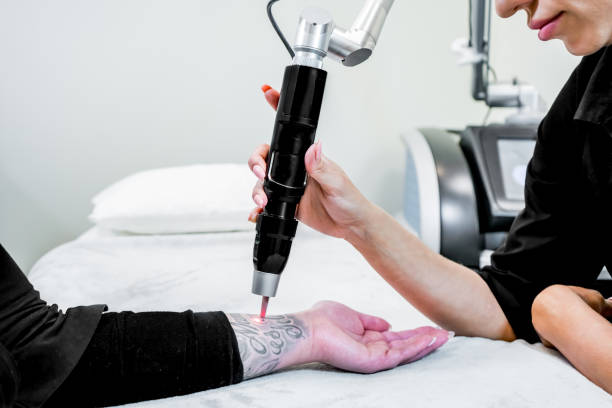
Tattoo removal primarily relies on laser technology. Lasers emit focused pulses of light that penetrate the skin and target tattoo pigments. The energy breaks pigment particles into smaller fragments, which are gradually cleared by the body’s natural processes.
The effectiveness of this process depends on how well the laser wavelength is absorbed by the tattoo pigment. Black tattoos tend to absorb a broad spectrum of laser energy efficiently, allowing for faster and more predictable fading. Colored tattoos may require specific wavelengths tailored to each color for optimal results.
Black Tattoo Removal
Black tattoos are often the easiest to remove due to their dense pigment and light-absorbing properties. Laser treatments can break down black ink more efficiently, resulting in noticeable fading after fewer sessions compared to colored tattoos.
The uniformity of black ink also contributes to more consistent fading. Many individuals notice significant improvement after initial sessions, and complete removal is often achievable with consistent treatments. Because black ink absorbs laser energy effectively, session planning is relatively straightforward.
Colored Tattoo Removal
Colored tattoos respond differently depending on the specific pigment used. Reds, blues, and greens may respond well to certain laser wavelengths, while lighter colors such as yellow, pink, and white can be more challenging. The reflective nature of some pigments can make it harder for the laser to target them effectively.
Colored tattoos often require more sessions to achieve noticeable fading. Multicolored tattoos with overlapping pigments may need a tailored approach, treating specific colors with the most appropriate laser wavelength for each. Despite these challenges, significant fading and, in many cases, complete removal are possible with gradual treatment.
Factors Affecting Tattoo Removal
Several factors influence how well both black and colored tattoos respond to removal. Ink density is a primary consideration; heavily saturated tattoos may require more sessions. The age of the tattoo also matters, as older tattoos often fade naturally over time, making removal easier.
Skin type and tone impact how laser energy interacts with the tattoo. Lighter skin provides better contrast for targeting pigments, while darker skin requires careful adjustment to ensure safe and effective treatment. The location of the tattoo can also affect response, as areas with thinner skin may fade differently than thicker or more resilient regions.
Gradual Fading Across Sessions
Tattoo removal is a gradual process, regardless of pigment type. Each session breaks down a portion of the pigment, allowing the body to process it over time. Black tattoos generally show noticeable fading earlier, while colored tattoos may require additional sessions to achieve similar results.
Spacing sessions appropriately is critical for both black and colored tattoos. Allowing the skin to recover and the body to process fragmented pigment ensures gradual and even fading. Properly timed sessions reduce the risk of uneven results and maximize the effectiveness of the treatment.
Achieving Optimal Results
Achieving optimal results involves tailoring the treatment to the type of tattoo pigment. Black tattoos often require fewer sessions and respond predictably, making planning more straightforward. Colored tattoos benefit from a customized approach, using specific laser wavelengths for each pigment and spacing sessions to allow gradual fading.
Consistent care and patience are essential. Even though black tattoos respond more efficiently, both black and colored tattoos require multiple treatments to reach significant fading or complete removal.
Frequently Asked Questions
Do black tattoos respond better to removal than colored tattoos?
Yes, black tattoos generally respond faster because their dense, carbon-based pigments absorb a broad spectrum of laser light efficiently.
Are some colors harder to remove than others?
Yes. Lighter colors like yellow, white, and pastels are typically more difficult to remove than reds, blues, and greens due to how they interact with laser energy.
How many sessions are usually required for colored tattoos?
Colored tattoos often require more sessions than black tattoos. The exact number depends on pigment type, density, and tattoo size.
Does tattoo age affect removal?
Yes. Older tattoos that have naturally faded over time tend to respond more predictably to laser treatment, regardless of pigment color.
Can black and colored tattoos be removed completely?
Black tattoos have a higher likelihood of complete removal due to their pigment properties. Colored tattoos can often be significantly faded or fully removed, but results may vary depending on pigment type and complexity.
Conclusion
Tattoo removal works effectively on both black and colored tattoos, but response varies based on pigment type and other factors. Black tattoos typically respond faster and more predictably due to their dense, light-absorbing pigments. Colored tattoos require more tailored treatment and may take additional sessions, particularly for lighter or reflective colors. Factors such as tattoo age, pigment density, skin type, and location influence the overall process. With gradual treatment and appropriate planning, both black and colored tattoos can be safely and effectively faded or removed over multiple sessions.
About the Author