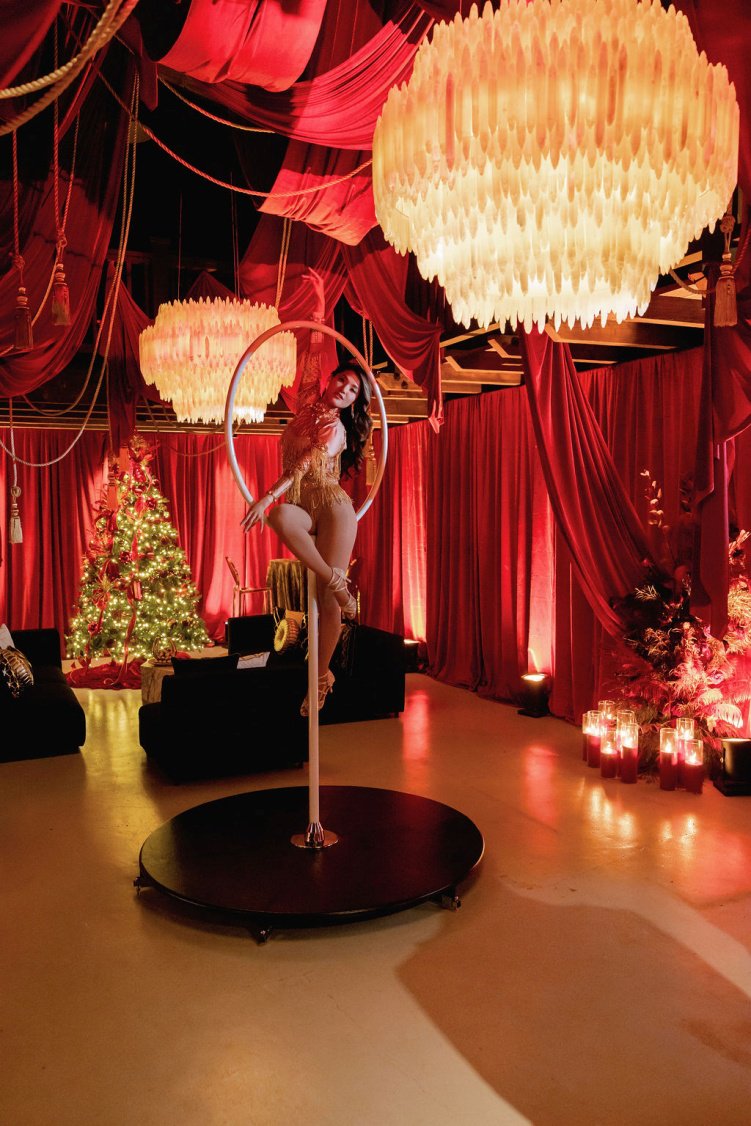
Fabric draping can reshape a space with intention and structure. When planned with precision, it defines sightlines, softens architecture, and establishes a cohesive visual framework without relying on décor excess.
This guide outlines practical ways to use draping for ceremony arches, ceilings, and backdrops—while maintaining a polished, professional standard aligned with full-service wedding planning.
Why Draping Works in Contemporary Wedding Design
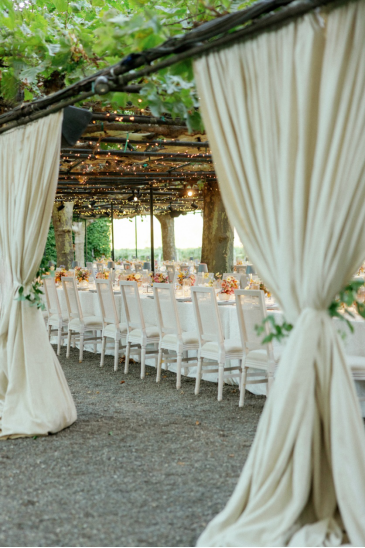
Draping introduces form and proportion. It can guide guest attention, create separation between functional zones, and support lighting strategies. When integrated early, fabric selections align with venue constraints, rigging requirements, and safety standards.
This approach suits full-service wedding planning services that serve Seattle and beyond, where venues range from industrial lofts to historic ballrooms and require tailored solutions rather than templates.
Draped Ceremony Arches: Structure Without Distraction

Ceremony arches benefit from draping that emphasizes clean geometry. Rather than dense layers, planners often specify controlled folds and measured tension to frame the couple without crowding the altar area.
Best practices
- Fabric choice: Lightweight chiffon or matte crepe can hold shape while remaining breathable for outdoor settings.
- Anchoring: Secure points must be planned with the venue to protect surfaces and meet load limits.
- Proportion: The arch should scale to the aisle width and seating depth to maintain visual balance.
A wedding consultant serving Nashville may prioritize sun angles and wind patterns for outdoor ceremonies, adjusting drape placement to preserve clarity during vows.
Ceiling Draping: Redefining Volume and Light
Ceiling draping changes how guests perceive height and flow. In large rooms, it can lower the visual plane to create intimacy; in smaller spaces, it can guide movement and highlight focal lighting.
Planning considerations
- Rigging coordination: Early collaboration with the venue and production team ensures compliant installation.
- Lighting integration: Drapes should be specified alongside pin spots and washes so fabric texture reads consistently across the room.
- Fire safety: Flame-retardant treatments and documentation are non-negotiable.
For wedding planners and consultants for weddings in Minneapolis, ceiling draping is often paired with architectural lighting to address winter daylight limitations while maintaining a refined atmosphere.
Backdrops: Purposeful Framing for Key Moments
Backdrops anchor moments such as the ceremony, head table, or lounge areas. The objective is definition, not excess. Clean pleats and controlled spacing keep the focus on the people within the frame.
Execution tips
- Layering: A single, well-chosen fabric often performs better than multiple competing layers.
- Texture control: Matte finishes minimize glare under photography lighting.
- Modularity: Panels can be repositioned across the event timeline to serve multiple purposes efficiently.
A wedding planning service that serves Atlanta, like Emily Coyne Events, frequently designs backdrops that transition seamlessly from ceremony to reception without visual interruption.
Fabric Selection: Performance Over Ornament
Fabric should be selected for performance first. Weight, opacity, and drape behavior affect installation time and final appearance. Neutral foundations with intentional color accents maintain flexibility across venues and lighting conditions.
Common selections
- Chiffon: Fluid movement and soft diffusion.
- Crepe: Clean lines and minimal sheen.
- Voile: Lightweight coverage for ceiling applications.
These choices support a consistent aesthetic without relying on themed concepts. This aligns with planning teams that focus on tailored experiences rather than preset styles.
Collaboration and Scope: Full-Service Planning Only
Draping requires oversight from concept through installation. Teams that provide comprehensive wedding planning services manage design development, technical coordination, and on-site execution. Coordination-only services are not part of this scope, as fabric installations demand sustained involvement and accountability across partners.
Creative partners, such as production and lighting specialists, are engaged early to ensure timelines, access windows, and safety checks are met. This integrated model is standard for full-service wedding planning services that serve Seattle and comparable markets.
Regional Insight: Adapting to Venue Context
- Minneapolis: Indoor venues benefit from ceiling treatments that address scale and acoustics.
- Nashville: Outdoor considerations influence fabric weight and anchoring methods.
- Atlanta: High-ceiling spaces often call for structured backdrops to define key areas.
- Seattle: Versatile fabrics accommodate varied venues while supporting lighting consistency.
Understanding these regional variables allows planners to specify draping that performs reliably across conditions.
Draping is a technical design element that rewards planning discipline. When executed with clarity, it elevates the environment through proportion, light control, and purposeful framing—without relying on excess.
Next steps: If you are considering fabric installations as part of a cohesive design plan, work with a team that manages the process end to end. Emily Coyne Events provides comprehensive wedding planning services, guiding design decisions with precision and measured oversight from initial concept through execution.
Connect with them today to get started.
About the Author
Joanne H. is a wedding consultant providing exceptional wedding planning services for clients who value clarity, structure, and thoughtful design decisions. With experience guiding full-service planning processes, Joanne focuses on precision, collaboration with creative partners, and cohesive event execution. She enjoys writing informative blogs that translate complex planning considerations into practical insights, helping readers understand how strategic choices shape polished, well-managed wedding environments.
UTV Shipping Cost and Choosing Reliable Services with Ship A1 Auto Transport
Why Most Crypto Tokens Fail And How Entrepreneurs Can Get It Right?
Embedded Software Market Demand Across Consumer Electronics And Automotive Sectors
4K Set Top Box Market Growth Driven By Smart Connectivity And OTT Integration
Cervical Pillows Market Growth Driven By Aging Population And Lifestyle Disorders
