




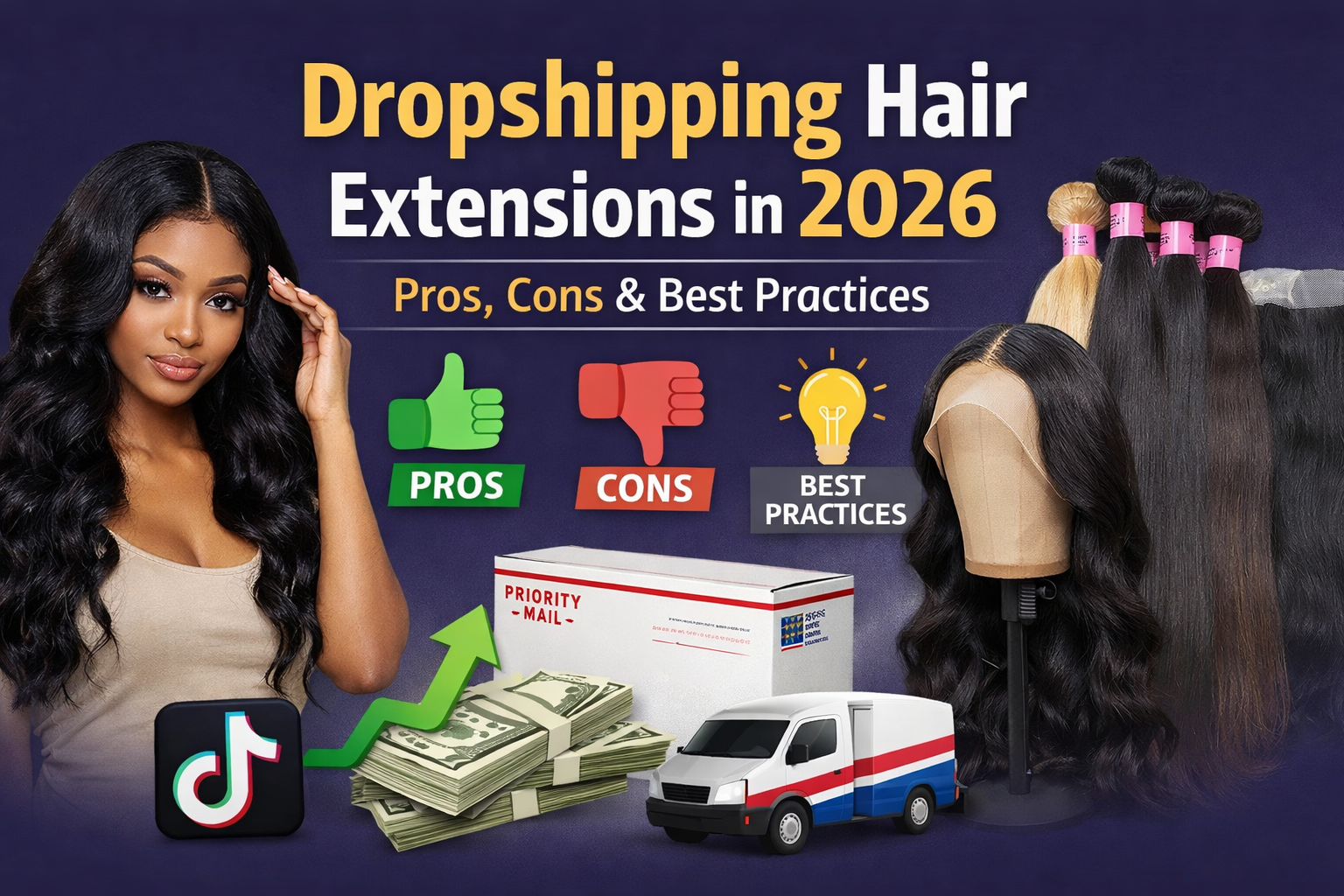
The beauty industry has always evolved quickly, but few niches have shown the consistent demand and profit resilience of hair extensions. As we move deeper into 2026, dropshipping hair extensions remains one of the most talked-about online business models in the United States. Social commerce, influencer marketing, AI-powered storefronts, and faster fulfillment networks have reshaped how beauty products are sold — and hair extensions sit at the center of this shift.
With over two decades of experience in content strategy and digital commerce trends, I’ve watched countless product categories rise and fall. Hair extensions, however, continue to thrive due to repeat purchases, strong brand loyalty, and emotional buying triggers tied to beauty and confidence.
If you’re considering launching or scaling a hair extension dropshipping business in 2026, this guide breaks down the real pros, honest cons, and proven best practices tailored specifically to the U.S. market.
Why Hair Extensions Remain a Powerful Niche in 2026
Before diving into logistics, it’s important to understand why this niche continues to perform:
- Strong demand across diverse U.S. demographics
- High perceived value and premium pricing potential
- Repeat customer behavior
- Heavy social media influence (TikTok, Instagram, YouTube tutorials)
- Growing demand for protective styles and versatile beauty solutions
Unlike many trending products that fade, hair extensions are tied to ongoing beauty routines. That’s a long-term business advantage.
Pros of Dropshipping Hair Extensions in 2026
1. Low Startup Costs
Traditional beauty inventory can require thousands of dollars upfront. With dropshipping, you avoid holding stock. You only purchase the hair extensions after a customer places an order.
This allows entrepreneurs to:
- Test multiple textures (Brazilian, Peruvian, Malaysian, etc.)
- Experiment with lengths and densities
- Validate demand before scaling
For new U.S.-based sellers, this dramatically reduces risk.
2. High Profit Margins
Hair extensions carry strong markups. For example:
- Wholesale lace front wigs may cost $40–$90
- Retail prices often range from $120–$350+
Even after advertising and processing fees, margins can remain attractive — especially if you build a strong brand.
Premium positioning is key in 2026. Customers are willing to pay more for:
- Ethical sourcing
- Transparent quality descriptions
- U.S.-based support
- Fast shipping
3. Scalable With Social Commerce
TikTok Shop, Instagram Reels, and influencer partnerships have become primary sales channels. In 2026, short-form content drives hair extension sales more than traditional ads.
A single viral install video can generate hundreds of orders.
Dropshipping allows you to scale rapidly without worrying about warehouse limitations.
4. Wide Product Range
You can sell:
- Lace front wigs
- HD lace wigs
- Clip-ins
- Tape-ins
- Bundles with closure
- Hair frontals
- Colored or ombre wigs
- Raw human hair extensions
This diversity allows you to target multiple segments — from budget-friendly buyers to luxury shoppers.
Cons of Dropshipping Hair Extensions in 2026
No business model is perfect. Here’s what most “gurus” won’t tell you.
1. Quality Control Challenges
Hair extensions are not like selling phone cases. Customers expect:
- Accurate length
- True density
- Minimal shedding
- Natural texture
- No synthetic mixing
If your supplier fails on quality, refunds and chargebacks can destroy profits.
In 2026, U.S. customers are highly educated buyers. They can quickly spot low-grade hair.
2. Shipping Delays Hurt Reputation
If your supplier ships internationally, 10–15 day shipping times may lead to:
- Refund requests
- Negative reviews
- PayPal disputes
American consumers expect 3–7 day delivery windows, especially for beauty products.
Fast fulfillment is no longer optional.
3. Heavy Competition
The hair industry is saturated. Many stores sell identical product images sourced from suppliers.
If you rely only on generic product photos and low pricing, you’ll struggle.
Branding is everything now.
4. Returns Can Be Complicated
Due to hygiene reasons, many hair products are non-returnable once opened. However, U.S. consumer protection laws favor buyers.
You must create clear return policies to avoid disputes.
Best Practices for Dropshipping Hair Extensions in 2026
Now let’s talk about what actually works.
1. Work With Reliable Suppliers — Preferably U.S. Warehouses
The biggest upgrade in 2026 is hybrid fulfillment.
Best approach:
- Partner with suppliers that offer U.S.-based warehouses
- Keep fast-moving SKUs stocked domestically
- Use overseas suppliers only for less popular items
Faster shipping = higher conversion rates.
2. Order Samples Before Selling
Never list hair extensions without testing them yourself.
Check:
- Texture accuracy
- Shedding levels
- Lace quality
- Packaging presentation
- True length measurement
Create your own product photos and videos. Authentic visuals outperform stock supplier images every time.
3. Focus on Branding, Not Just Selling Hair
The winning stores in 2026 don’t sell “Brazilian Body Wave 22-inch.”
They sell:
- Confidence
- Transformation
- Luxury
- Self-expression
Invest in:
- Professional logo and packaging
- Branded wig bags
- Care instruction cards
- Strong storytelling
Customers are buying an experience, not just hair.
4. Build Trust Through Transparency
Clearly display:
- Hair grade (Raw, Virgin, Remy)
- Density percentages
- Lace type (HD, Transparent)
- Processing details
- Care instructions
Honesty reduces returns and increases repeat purchases.
5. Leverage User-Generated Content
Encourage buyers to:
- Post install videos
- Tag your brand
- Share before-and-after photos
Offer discount codes for video testimonials.
Nothing sells hair extensions better than real women showing real results.
6. Optimize for SEO and Long-Tail Keywords
Instead of targeting broad terms like “hair extensions,” focus on:
- “HD lace frontal wig 24 inch USA”
- “Beginner friendly glueless wig”
- “Affordable raw human hair bundles in Texas”
Localized SEO works extremely well in the U.S. beauty market.
Create blog content answering:
- How long do lace front wigs last?
- What’s the difference between HD lace and transparent lace?
- How to maintain human hair extensions?
Educational content builds authority.
7. Offer Tiered Pricing
In 2026, successful stores offer:
- Budget collection
- Mid-range premium
- Luxury raw hair line
This captures multiple income brackets and increases average order value.
8. Prioritize Customer Service
Beauty buyers are emotional buyers.
Fast responses matter.
Provide:
- Live chat support
- Detailed FAQs
- Clear refund policy
- Tracking updates
A responsive store builds loyalty.
Is Dropshipping Hair Extensions Worth It in 2026?
The short answer: Yes — but only if done strategically.
The days of launching a basic Shopify store with AliExpress images are over. The U.S. market demands:
- Speed
- Authenticity
- Quality
- Brand identity
If you treat this as a real brand — not a quick money experiment — dropshipping hair extensions can still be highly profitable.
Final Thoughts
Dropshipping hair extensions in 2026 isn’t about chasing trends — it’s about building a beauty brand that understands its audience.
The U.S. hair market remains strong, driven by fashion culture, protective styling trends, influencer marketing, and consumer desire for versatility.
Success depends on:
- Quality suppliers
- Fast shipping
- Strong branding
- Authentic content
- Customer trust
If you’re willing to invest time into research, branding, and relationship-building — this niche still holds significant opportunity.
Hair will always be part of beauty. And beauty, in America, will always be a powerful business.
About the Author