



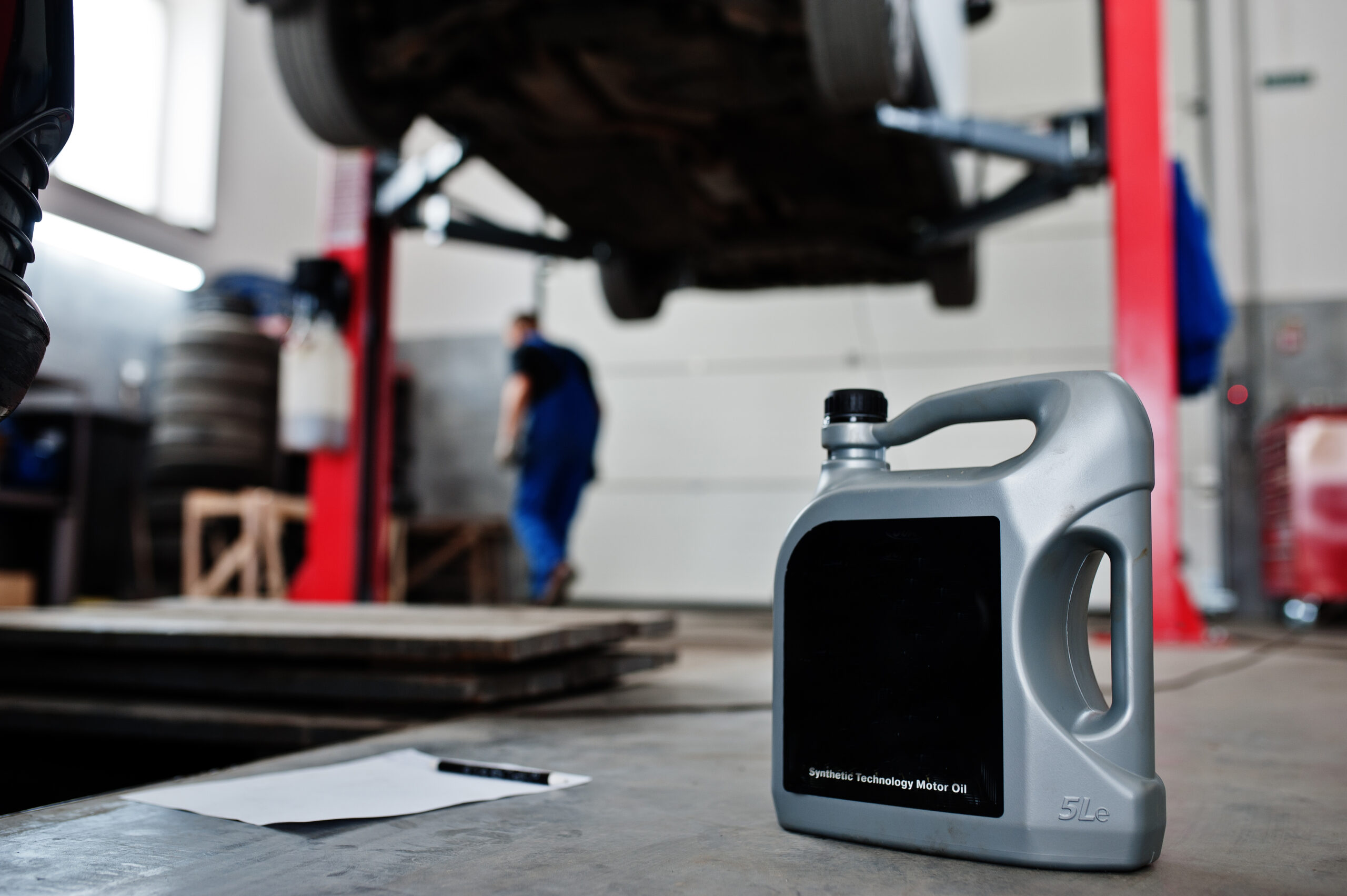
In everyday places like workshops, home garages and small businesses, oil spills are common. They can damage surfaces, create slip hazards, and lead to fines if oil reaches drains or local water. Therefore, knowing what to use and how to act is necessary to stop a small problem from becoming a big one.
Having an oil spill kit is the best way to deal with leaks quickly and keep people and the environment safe. These kits are of different types and sizes to cater to different types of spills. So, choosing the right one with all essential components is crucial to achieving the desired outcomes.
Here are some must-have components that you must look for when buying an oil spill kit.
Absorbent Socks
Absorbent socks for oil are the basic tools of any spill kit. They are long tubes you place around a spill to stop it from spreading into drains or across a floor, soaking up oil and repelling water, which makes them useful even on wet surfaces. When you use a roll or a sock, the oil stays in the material instead of spreading out.
Always keep a mix in your kit so you can match the tool to the spill size. Make sure you store them where spills are most likely so you can react quickly and reduce the chance of slipping or further contamination.
Spill Containment Booms
These are essential to handle oil leaks in water. For example, if a drum tips in a yard near a storm drain, or a small boat leaks in a marina, a boom stops the oil from spreading across the surface. It is a floating barrier you place in a line or ring around the spill to hold the oil in one area until you can remove it. They are available in different heights and lengths depending on the amount of oil and how rough the water is.
Drain Covers
A bit of oil that reaches a drain can travel through pipes into rivers and cause much larger problems. Drain covers give you a quick way to stop oil from going into the drainage system. They come as rubber plugs, inflatable seals, or mats that fit over a grate. Putting a cover on the drain helps you spread it.
Disposal Bags and Ties
Once you have used pads, socks or rolls, you need a safe way to dispose of them. Disposal bags and strong ties let you seal used absorbents so they do not leak during handling. Use heavy-duty bags and close them securely with ties or seals. It is good practice to double-bag heavily soaked items and to label the outside with the content type and the date. It keeps people safe and makes it easier to hand waste to an authorised disposal service.
Instruction Manuals and Quick Guides
A clear instruction guide inside the kit means anyone can respond fast. The manual should be short, written in plain language and use pictures or icons so it is easy to follow. Include a front-page checklist: immediate actions, who to call, where to find extra supplies and which personal protective equipment to put on first. Keep emergency contact numbers and a note about local rules with the guide.
Shovels and Scrapers
After you soak up the liquid with pads or socks, you may need a scraper to lift hardened residues or a shovel to remove contaminated soil. These tools let you gather the worst material and place it into disposal bags, which reduces the volume of absorbent waste you need. Clean and decontaminate them after use according to guidance. It makes the final clean-up easier and reduces the chance of oil remaining in cracks or under equipment.
Emergency Lighting
Good lighting helps you see what you are doing when a spill happens in dim conditions. Portable torches or headlamps let you check drains, place absorbents correctly and spot droplets that could be missed in poor light. If you are working with fuel or flammable liquids, choose lighting that is safe for potentially explosive atmospheres to avoid sparks.
Personal Protective Equipment
Protecting yourself and those who respond is the top priority. Personal protective equipment should include chemical-resistant gloves, goggles or face shields, coveralls and oil-resistant boots. For some liquids, you may also need a suitable respirator. PPE prevents skin contact with oil, reduces the risk of irritation and lowers the chance of longer-term health issues.
Key Takeaway
Investing in a reliable kit that fits the size of the spills you expect can help you prevent oil spills from spreading and causing contamination. Make sure it has all the aforementioned tools, such as socks, booms, and absorbent pads for spills and keep it in the right condition. It will save you and your property from the harmful impact of spills, but also eliminate the risk of legal consequences.
How to Choose the Right Clinic for Nose Surgery in Islamabad
Wie man Knieschmerzen ohne Operation behandelt
Before Filing Mutual Divorce in Delhi: Important Legal Facts Every Couple Must Know (2026 Guide)
Is TRT the Best Fix for Low Energy in Men?
Upholstery Cleaning Service Fairfax for Fresh and Clean Homes
About the Author