



Deli paper is one of the most practical yet underrated materials in the world of food service. It is a lightweight, grease-resistant sheet designed to wrap, line, and protect food items such as sandwiches, burgers, pastries, and cold cuts. The primary purpose of deli paper is to maintain hygiene and preserve food quality from the kitchen to the customer’s hands. Its thin, yet durable construction creates a reliable barrier that prevents oils, sauces, and moisture from seeping through, keeping both the food and packaging clean. Because of its versatility, it has become a staple across cafés, bakeries, food trucks, and catering businesses.
While it looks simple, the engineering behind deli paper is quite intentional. It is produced from food-grade pulp, often coated or treated to enhance its grease resistance and durability. Some variants use a wax or polyethylene layer for extra protection, while others are designed to be eco-friendly and compostable. The key benefit lies in its ability to balance performance and deli paper presentation, making it a preferred choice for fast-paced food operations where appearance, hygiene, and efficiency matter equally.
Why Deli Paper Is Essential in Modern Food Service
In a busy restaurant or takeaway setup, packaging plays a crucial role in how customers perceive quality. Deli paper offers a clean, professional way to wrap or serve food without compromising on freshness. When a burger or sandwich is neatly wrapped in crisp paper, it signals care and quality. The grease barrier prevents sogginess and ensures that the customer receives the meal as intended.
Apart from functionality, deli paper adds a touch of professionalism. Whether you are wrapping a gourmet sandwich or lining a tray of fries, the presentation is instantly elevated. Its versatility allows it to be used for hot, cold, or oily items alike, ensuring that each meal is served cleanly and consistently. For many businesses, using this simple paper solution can even reduce costs, since it is lightweight, easy to store, and efficient to use compared to bulkier packaging materials.
Types and Materials
Deli paper comes in several types depending on how it is treated and what purpose it serves. The most common is wax-coated deli paper, which features a thin wax layer that resists moisture and grease. This variant is ideal for juicy foods such as burgers or breakfast sandwiches. Another type is dry wax paper, which has a lighter coating and is typically used for foods that are not excessively oily, like pastries or wraps. There are also grease-proof versions that use advanced coatings instead of wax, suitable for fried or heavy items that release more oil.
Some food service operations prefer to use custom-printed deli paper, which allows them to feature their brand name, logo, or design on every sheet. This not only enhances presentation but also acts as subtle marketing — each wrapped meal becomes a mini billboard. For businesses prioritizing sustainability, eco-friendly deli paper made from recyclable or compostable materials is becoming increasingly popular. These options help reduce environmental impact while maintaining performance and food safety standards.
Choosing the Right Deli Paper
Selecting the right deli paper depends on your menu, service style, and environmental goals. For example, a café serving oily paninis might need a stronger grease barrier, while a bakery might choose thinner sheets for croissants and pastries. The temperature of the food also matters, since certain coatings handle heat better than others.
Operators should also consider convenience and cost efficiency. Pre-cut sheets save time during rush hours, while rolls allow flexibility in size and reduce waste. For branding, custom prints provide a consistent, premium feel without affecting functionality. Working with a reliable supplier such as the delipaper can ensure consistent quality and supply, especially for businesses that rely on high-volume packaging.
Proper Usage and Handling
Using deli paper correctly can make a noticeable difference in presentation and hygiene. The wrap should fully enclose the food item to prevent leaks and maintain structure. When lining trays or baskets, the paper should fit neatly, with the printed or finished side facing up. Handling should always be done with clean, dry hands to avoid contamination. Proper storage is equally important — keeping the paper in a cool, dry place ensures it retains its grease-resistant properties.
Even though it is a simple product, technique matters. The right fold or tuck can turn an ordinary wrap into a neatly presented product that travels well and delights the customer when unwrapped. For take-away orders, this attention to detail reinforces the quality of the brand and creates a better dining experience.
Branding and Marketing Value
Beyond its functional benefits, deli paper has become an important branding tool. With custom-printed designs, businesses can turn every package into an opportunity for brand recognition. A logo, tagline, or pattern printed on deli paper subtly reminds customers of where their delicious meal came from. For repeat customers, such consistency builds trust and loyalty.
Moreover, branded deli paper conveys professionalism and attention to detail. It shows that the business values not just the taste of its food but also how it is presented. Even small cafés and bakeries are now investing in printed wraps because they know that packaging contributes to overall perception. Companies like thedelipaper provide high-quality custom printing services that maintain both visual appeal and food safety, allowing businesses to stand out without compromising functionality.
Sustainability Considerations
Sustainability has become a key concern for modern food businesses. Deli paper can be part of an eco-friendly packaging strategy when sourced responsibly. Many suppliers now offer recyclable, biodegradable, or compostable options that reduce plastic usage while maintaining quality. Choosing such alternatives helps align your business with environmental goals and meets the expectations of environmentally conscious customers.
The choice of material should depend not only on appearance but also on waste management capabilities. For example, if your local area supports composting, biodegradable deli paper may be the best option. Additionally, selecting the right sheet size helps minimize waste — using just enough material to wrap or line each item reduces unnecessary disposal. By combining eco-friendly materials with mindful usage, businesses can lower costs and demonstrate social responsibility.
Common Mistakes to Avoid
One common mistake is using the wrong type of deli paper for a specific food item. For greasy or saucy foods, a non-coated sheet may result in leaks and messy presentation. Another frequent issue is using sheets that are too small, which fail to wrap the item securely. Improper storage, such as leaving the paper in humid areas, can weaken kraft paper its barrier properties. Overuse is another problem; using multiple layers when one sheet would suffice leads to waste and higher expenses.
Ignoring hygiene protocols during wrapping can also defeat the purpose of using food-safe paper. Always ensure that staff handle packaging materials with clean hands and store them away from contaminants. Finally, when ordering custom printed options, verify that the inks and coatings are food-grade and compliant with safety regulations.
Integrating Deli Paper into Daily Operations
For maximum efficiency, deli paper should be integrated seamlessly into daily workflow. Keeping it within easy reach of preparation stations ensures quick service during busy periods. Staff training on wrapping techniques can reduce waste and speed up order fulfilment. Tracking usage over time helps businesses understand consumption patterns and make informed purchasing decisions.
Partnering with dependable suppliers ensures consistency in quality and availability. A trusted brand like thedelipaper not only provides top-grade materials but also offers advice on selecting the right specifications for different menu items. This collaboration supports operational efficiency, enhances food presentation, and maintains the standards your customers expect.
Frequently Asked Questions
What makes deli paper different from wax or parchment paper?
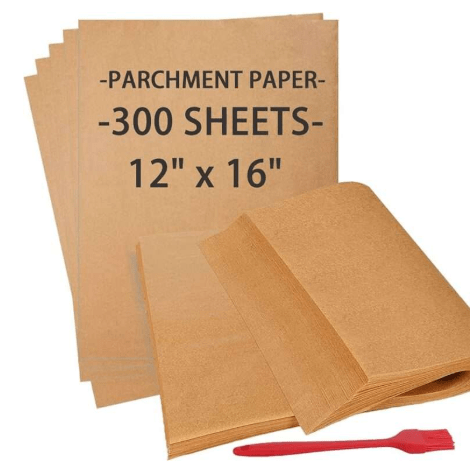
While all three are used in food service, deli paper is typically lighter and more flexible. Wax paper has a thicker coating suitable for moisture resistance, while parchment is silicone-coated for baking. Deli paper, on the other hand, is optimized for wrapping and presentation rather than direct oven use.
Can I use deli paper for baking or reheating?
It is not designed for high-temperature baking. Always check the manufacturer’s specifications, but generally, deli paper is best for wrapping, lining, and serving, not for prolonged exposure to heat.
Is deli paper safe for direct food contact?
Yes, when sourced from certified suppliers, deli paper is completely food-safe. Reputable providers ensure their materials meet all hygiene and safety standards.
Can I recycle or compost deli paper?
That depends on the material type. Many modern versions are recyclable or compostable. However, once the paper is heavily soiled with grease, it may not be accepted for recycling. Compostable variants are a good alternative if you want an eco-friendly option.
Does branded deli paper cost more?
Custom printing adds a small premium, but the branding value and customer impression often justify the cost. For most food businesses, it’s a worthwhile investment in marketing and professionalism.
Final Thoughts
In today’s competitive food industry, packaging is an integral part of the overall dining experience. The humble deli paper may seem simple, but it plays a powerful role in maintaining food quality, hygiene, and brand image. Whether you operate a small café or a high-volume restaurant, investing in the right paper can transform how customers perceive your product.
Its versatility, cost-effectiveness, and potential for branding make deli paper an essential asset for any business focused on presentation and customer satisfaction. By choosing the right type, applying it properly, and sourcing it from trusted suppliers like thedelipaper.com , you ensure that your packaging supports your food’s quality and your brand’s reputation.
About the Author