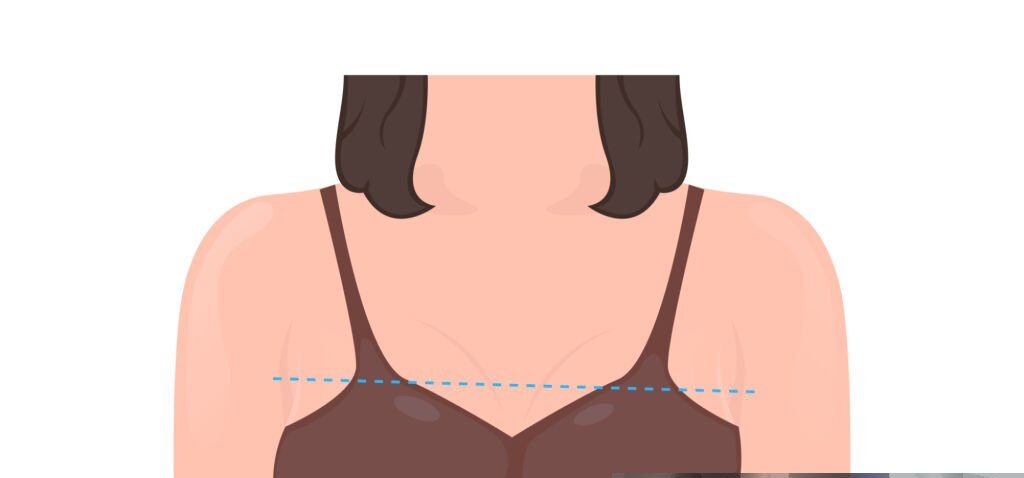
Breast symmetry is something many women think about, yet very few openly discuss. Having breasts that differ in size, shape, or position is more common than most people realise. For some women, the difference is barely noticeable. For others, it can affect confidence, clothing choices, and daily comfort. If you are considering correction surgery, knowing what to expect beforehand helps you make a well-informed decision.
Recognising the Signs: Is Breast Asymmetry Affecting Your Life?
Most women have some degree of breast asymmetry. One breast may be slightly larger, sit higher on the chest, or have a noticeably different shape. In mild cases, this is a natural variation that causes little concern. However, when the difference is more significant, it can affect how clothing fits, cause physical discomfort such as shoulder or back pain, and take a toll on a woman’s confidence and body image.
Breast asymmetry can develop at any stage of life. Puberty is a common time for differences to appear, as breasts may not develop at the same rate. Hormonal changes, pregnancy, breastfeeding, significant weight fluctuations, trauma, and conditions such as Poland syndrome or breast hypoplasia can all contribute. In some cases, cancer treatment or mastectomy may also affect breast appearance.
If the asymmetry is causing you distress, whether physical or emotional, speaking with a qualified plastic surgeon is a sensible first step.
Before You Book: Key Factors to Consider
Before moving ahead with breast asymmetry surgery, there are several important factors to think through carefully.
- The first is whether you are a suitable candidate. The majority of the surgeons suggest waiting until breast development is complete before considering any procedure. You should also be a non-smoker, in good general health, and at a stable weight, as significant weight changes after surgery can affect long-term results.
- Timing is another consideration. If you are planning a pregnancy in the near future, it may be worth waiting, as pregnancy and breastfeeding can alter breast shape and size after a procedure has been performed.
- Cost is a very common criterion to ponder upon. Fees vary depending on the procedures involved, as well as surgeon, hospital, and anaesthesia costs. Medicare does not cover elective cosmetic procedures, though it may contribute in medically necessary cases, such as breast reconstruction following mastectomy. Always request a detailed cost breakdown during your consultation before committing to anything.
Knowing Your Options: A Side-by-Side Comparison of Procedures
There is no single approach to correcting uneven breasts. The right combination depends on the degree and type of asymmetry you have. Here is a breakdown of the most common options:
- Breast Augmentation: The procedure adds volume to a smaller breast using implants. Different implant sizes can be placed in each breast to achieve a more balanced appearance.
- Breast Reduction: It eliminates the excessive skin and tissue from a larger breast to match the other side better. This can also help relieve physical discomfort caused by size and weight.
- Breast Lift: The lift repositions one or both breasts on the chest wall and is often combined with augmentation or reduction. It can also address nipple placement that sits too low.
- Fat Transfer: In this procedure, experts use fat taken from another area of the body to add volume to a smaller breast. This suits patients with mild asymmetry who prefer to avoid implants.
- Nipple Repositioning: It corrects differences in nipple size, shape, or position, including nipples that are inverted or protruding.
Many patients require a combination of these procedures to achieve the best possible outcome.
Your Pre-Surgery Checklist
Once you have decided to move forward with breast asymmetry surgery, preparation plays a large part in how smoothly things go. Here are the key steps to take before your procedure:
- Attend both consultations: Most surgeons require at least two appointments before surgery. Use these to ask questions, review your treatment plan, and confirm you understand what is involved.
- Get your health in order: Stop smoking well in advance, as it significantly affects healing. Avoid blood-thinning medications and supplements unless advised otherwise by your surgeon.
- Arrange practical support: You will need someone to drive you home after surgery and help with everyday tasks in the first few days. If you have young children, arrange additional assistance.
- Plan your time off: Most patients need at least one week away from work, though this varies depending on the procedures performed and the nature of your job.
For patients based in Brisbane and surrounding regions, discussing with an experienced plastic surgeon such as Dr Andrew Broadhurst can help clarify which procedures are best suited to your anatomy and personal goals.
Final Thoughts
Correcting breast asymmetry is a personal choice which requires proper attention and professional guidance. You need to take time to make a decision, assess your health state and then pick a qualified surgeon. These efforts make a lot of difference to the treatment outcome and longevity.
How to Choose the Best Android Car Multimedia Player for Your Vehicle
The ROI of Guest Post Services by SirLinksALot
Understanding Psychotic Depression: Causes, Risks, and Treatment Options
What Are the Most Effective Treatments for Varicose Veins?
Different Types of Moods: Discover Where You Fall on the Spectrum
