Keeping your cutting blades sharp and efficient is something every crafter and professional must focus on. Whether you work with fabric, felt, or vinyl, dull blades are frustrating and waste material. If you use an Ioline plotter, maintaining your blades properly is essential to get the cleanest cuts possible. Luckily, there are simple steps you should follow that will dramatically extend the life of your blades.
Handle Blades with Care
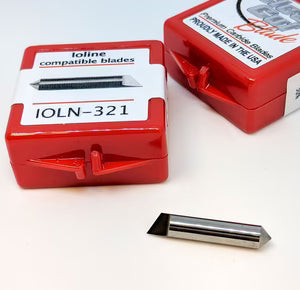
One of the most overlooked aspects of blade maintenance is handling. Blades, such as Titan plotter blades, must be stored in protective cases when not in use. You should avoid dropping them or letting them roll around your workspace. Even a slight nick can affect the precision of your cuts.
Always treat your blades like a precision tool. Doing so not only protects your investment but ensures your cutting projects remain flawless.
Clean Blades Regularly
Residue buildup from adhesives, fabric fibers, or vinyl scraps can dull your blades faster than frequent use. You should clean your blades after every major project.
A soft cloth and a bit of rubbing alcohol are enough to remove sticky residue. For smaller blades, like those in an Ioline plotter, you may need a tiny brush to clean the hard-to-reach edges. Regular cleaning prevents unnecessary friction and ensures smoother cuts over time.
Use the Right Cutting Surface
Using an incorrect surface can ruin even the sharpest Titan plotter blades. You must use cutting mats designed for your blade type. Mats that are too soft or too worn may damage the blade tip or cause uneven cuts.
It’s important to replace cutting mats periodically, especially if you notice indentations or grooves that your blade keeps hitting. The right surface reduces stress on the blade, making maintenance much easier.
Rotate and Replace Blades Strategically
Even with careful use, blades will eventually wear down. One trick you should try is rotating your blades. Using multiple blades in rotation distributes wear evenly, meaning no single blade is overworked.
When you do need to replace a blade, make sure it is compatible with your equipment. Ioline plotter users should always match blade types to project needs. Overusing worn blades can damage materials and strain your machine.
Adjust Cutting Pressure Properly
Incorrect cutting pressure is a common culprit for dulling blades. Applying too much pressure forces the blade into the material unnecessarily, while too little pressure leads to repeated passes, which also shortens blade life.
You should experiment with test cuts to find the optimal pressure for your material. For example, Titan plotter blades may require slight adjustments depending on whether you’re cutting vinyl, felt, or thin cardboard. This small step could double the blade’s usable life.
Store Blades Correctly
Storage plays a key role in blade longevity. Blades should be kept in a dry, dust-free environment. Some blades, particularly smaller ones in Ioline plotter machines, are delicate and must be stored individually to prevent chipping.
Magnetic strips, blade organizers, or original packaging work well to avoid accidental damage. You should never throw blades loosely into drawers or boxes.
Sharpen Blades When Possible
For certain high-quality blades, including some Titan plotter blades, you may be able to sharpen them at home with proper tools. While not all blades are designed for sharpening, those that are should be honed carefully.
Even a few precise passes on a sharpening stone or honing tool can restore cutting efficiency. This should be done only when you notice slight dullness, as over-sharpening could shorten the blade’s lifespan instead of extending it.
Avoid Cutting Hard or Inappropriate Materials
You must always match the material with the blade’s design. Using delicate blades on tough materials may seem tempting but will quickly ruin them. Blades such as those in Ioline plotter machines or Titan plotter blades are designed for fabrics, paper, and thin plastics—not hard metals or thick wood.
Using blades correctly is one of the easiest ways to extend their life. Respecting their limits keeps them sharp for every project.
Inspect Blades Periodically
Finally, routine inspections should be part of your maintenance habit. Examine your blades for chips, burrs, or wear after every few projects. Small issues should be addressed immediately.
Blades in machines like Ioline plotter systems often reveal subtle wear before they affect cutting quality. Checking regularly ensures you don’t end up with ruined material or uneven cuts.
Conclusion
Proper maintenance of cutting blades is not just a suggestion; it is essential for anyone who values precision and efficiency. By following these steps, you should notice longer blade life, cleaner cuts, and fewer frustrations. Whether you rely on Ioline plotter or Titan plotter blades, consistent care and attention will pay off in both performance and durability. Treat your blades well, and they will keep your projects cutting beautifully for years to come.
