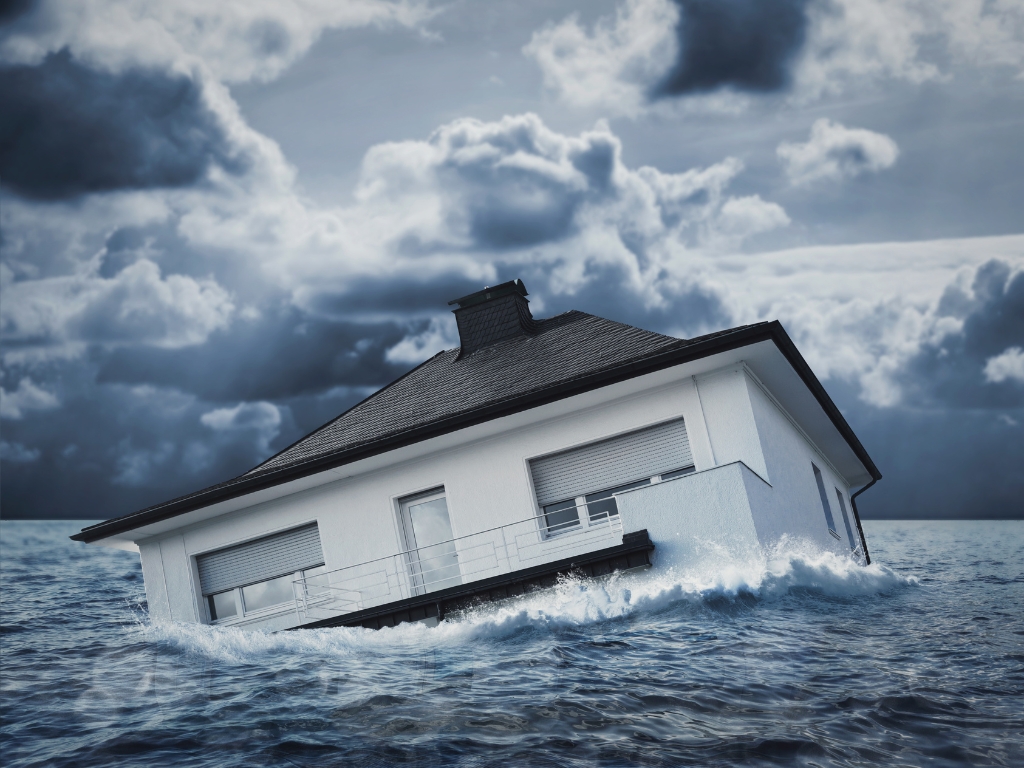
Water-related damage is one of the most common and expensive problems homeowners face. Heavy rain, plumbing failures, overflowing rivers, and natural disasters can quickly lead to significant property damage. Many homeowners assume that their insurance policy will cover all types of water damage, but that is not always the case. The difference between flood insurance and water damage coverage is often misunderstood, which can leave property owners financially vulnerable when disaster strikes.
Understanding how these two types of protection work is essential for anyone who owns or rents a property. While both deal with water-related incidents, they cover different types of situations and damages. Knowing these differences can help homeowners prepare better and take immediate action, including contacting 24/7 flood damage restoration services when emergencies occur.
Understanding Flood Insurance
Flood insurance is a specialized type of insurance designed to cover damages caused by flooding. Flooding is typically defined as water that covers normally dry land and affects at least two properties or two acres of land. This can happen due to heavy rainfall, storm surges, melting snow, or overflowing rivers and lakes.
Standard homeowners insurance policies usually do not include flood coverage. Because floods can cause widespread and catastrophic damage, insurers often separate this coverage into a dedicated policy. In many countries, flood insurance is available through government-backed programs or specialized private insurers.
Flood insurance typically covers structural damage to the building, including the foundation, electrical systems, plumbing, water heaters, and large appliances. It may also cover certain personal belongings such as furniture, clothing, and electronics, depending on the policy.
When flooding occurs, water can quickly seep into walls, floors, and electrical systems. Immediate action is critical to prevent mold growth and structural deterioration. Many homeowners rely on 24/7 flood damage restoration services to remove water, dry affected areas, and begin the restoration process as soon as possible.
What Is Water Damage Coverage?
Water damage coverage is typically included in standard homeowners insurance policies. However, it only covers certain types of sudden and accidental water damage, not flooding caused by natural disasters.
For example, water damage coverage may apply if a pipe bursts, a washing machine hose fails, or a water heater leaks unexpectedly. These situations are considered internal water problems within the home, rather than environmental flooding events.
Insurance companies often classify water damage into two main categories: sudden and accidental damage, and gradual damage caused by neglect or poor maintenance. Sudden damage is usually covered, while gradual damage is not.
If a pipe suddenly bursts in the middle of the night and floods the basement, homeowners often need immediate professional help. In these situations, contacting 24/7 flood damage restoration services can help remove water quickly and prevent further destruction of the property.
Key Differences Between Flood Insurance and Water Damage Coverage
One of the most important distinctions between flood insurance and water damage coverage is the source of the water. Flood insurance deals with water coming from outside the home due to natural causes, while water damage coverage focuses on water originating inside the home due to plumbing or appliance issues.
Another key difference lies in policy requirements. Flood insurance is usually optional unless a property is located in a high-risk flood zone where lenders may require it. On the other hand, water damage coverage is generally included in standard homeowners insurance policies.
Coverage limits also vary significantly. Flood insurance policies often have separate limits for building structure and personal belongings. Water damage coverage usually falls under the general coverage limits of the homeowners policy.
Regardless of the type of damage, quick response is essential. Professional 24/7 flood damage restoration services can help assess the damage, remove standing water, and begin drying and sanitation procedures to protect the property.
Situations Covered by Flood Insurance
Flood insurance is designed to cover damage caused by large-scale flooding events. These events can be triggered by natural disasters such as hurricanes, tropical storms, prolonged rainfall, or dam failures.
When floodwaters enter a home, they can destroy flooring, drywall, insulation, and electrical systems. In severe cases, structural integrity may be compromised. Flood insurance can help cover repair costs, debris removal, and replacement of essential systems.
However, flood insurance policies often have waiting periods before coverage begins, typically around 30 days. This means homeowners cannot purchase a policy immediately before a storm and expect coverage.
After a flood, restoration must begin quickly to prevent mold growth and further deterioration. Many homeowners rely on 24/7 flood damage restoration services to manage water extraction, drying, and cleaning during the critical early hours after a disaster.
Situations Covered by Water Damage Coverage
Water damage coverage addresses problems that originate within the home rather than from natural flooding. These incidents can occur unexpectedly and may cause significant damage if not addressed quickly.
Examples include broken pipes, overflowing bathtubs, leaking dishwashers, or malfunctioning water heaters. When these incidents occur suddenly, most insurance policies will cover repair costs and damage restoration.
However, if the damage occurs gradually due to neglected maintenance, insurers may deny the claim. For example, a slow leak that damages walls over several months may not be covered because it could have been prevented with proper maintenance.
When water spreads through floors and walls, rapid cleanup becomes essential. This is why many homeowners turn to 24/7 flood damage restoration services to mitigate damage and restore affected areas before the problem worsens.
Why Many Homeowners Confuse the Two
The confusion between flood insurance and water damage coverage often arises because both involve water-related damage. Many homeowners assume that their standard policy protects them from all forms of water intrusion, but that assumption can lead to costly surprises.
Insurance terminology can also contribute to the confusion. Words like “flood,” “water damage,” and “water intrusion” may seem similar but have very specific definitions within insurance policies.
Additionally, homeowners may not review their policies carefully or understand the exclusions listed in the fine print. This lack of awareness becomes problematic when filing claims after a disaster.
When unexpected flooding occurs and insurance coverage is unclear, property owners still need immediate help. In these situations, contacting 24/7 flood damage restoration services can be crucial in minimizing damage while insurance issues are sorted out.
The Importance of Immediate Restoration
Water damage, whether caused by flooding or internal plumbing problems, can escalate rapidly. Within hours, moisture can begin damaging walls, flooring, and furniture. Within days, mold growth may begin, leading to potential health risks and costly repairs.
Immediate restoration helps reduce long-term damage and restoration costs. Professional teams use specialized equipment such as industrial pumps, air movers, and dehumidifiers to remove moisture from affected areas.
Experienced technicians also inspect hidden areas where water may accumulate, including behind walls, under floors, and inside insulation. By addressing these hidden moisture pockets early, they prevent structural damage and mold infestations.
Many restoration companies provide 24/7 flood damage restoration services because water emergencies can happen at any time. Rapid response is one of the most effective ways to protect a home after a water-related disaster.
Choosing the Right Protection for Your Property
Protecting your property from water damage requires understanding the risks in your area and selecting appropriate insurance coverage. Homeowners in flood-prone regions should strongly consider purchasing a flood insurance policy, even if it is not required.
At the same time, maintaining plumbing systems, appliances, and drainage systems can help prevent internal water damage. Routine inspections and maintenance reduce the likelihood of sudden leaks or pipe failures.
Even with the best preventive measures, water damage incidents can still occur. That is why many homeowners keep the contact information of reliable 24/7 flood damage restoration services readily available. Having professional help available immediately can make a significant difference in recovery time and repair costs.
Final Thoughts
Flood insurance and water damage coverage serve different purposes, but both play important roles in protecting homeowners from costly water-related disasters. Flood insurance focuses on large-scale environmental flooding, while water damage coverage deals with sudden internal issues such as plumbing failures.
Understanding these differences allows homeowners to make informed decisions about their insurance coverage and disaster preparedness. Reviewing policies carefully, identifying coverage gaps, and preparing for emergencies can help prevent financial stress when water damage occurs.
When water disasters strike, acting quickly is essential. Professional 24/7 flood damage restoration services provide rapid response, expert cleanup, and restoration solutions that help homeowners recover from water damage as efficiently as possible.
The Evolution of Interactive Media Ecosystems
Why a Professional Car Service Melbourne Airport is the Smarter Alternative in 2026
Mobile Repair Shop Bedford: Reliable Solutions at iFix Gadgets Vape
Professional Chauffeur Service Parkland FL: Travel in Comfort with EZ Drivers Limo
Universal Safeguards: The Role of Danger Tape Rolls in Industrial and Public Safety
