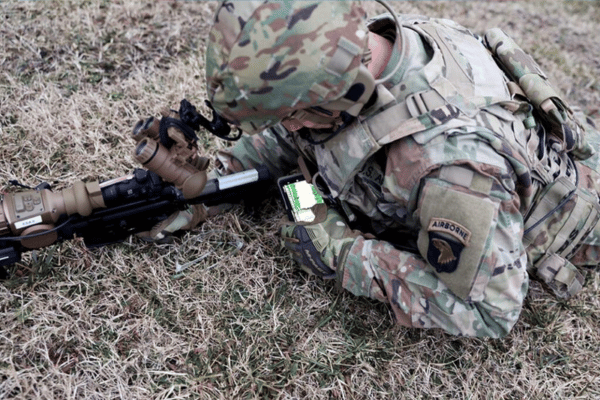
The global soldier system market represents a critical component of modern defense modernization programs, focusing on enhancing the survivability, mobility, lethality, and situational awareness of individual soldiers. A soldier system integrates advanced equipment, technologies, and subsystems—such as weapons, communication devices, protective gear, sensors, and power systems—into a cohesive framework designed to improve battlefield performance.
In 2025, the global soldier system market reached a value of nearly USD 11.56 Billion, reflecting strong defense spending and ongoing military modernization initiatives across major economies. Looking ahead, the market is projected to grow at a CAGR of 4.70% between 2026 and 2035, reaching a value of approximately USD 18.30 Billion by 2035. This growth is driven by rising geopolitical tensions, increased focus on soldier survivability, and rapid advancements in defense electronics and wearable technologies.
Market Overview
A soldier system is a comprehensive ensemble of equipment and technologies designed to enhance the operational effectiveness of dismounted soldiers. Unlike traditional standalone military gear, modern soldier systems emphasize integration, interoperability, and real-time data sharing. These systems typically combine weapons and targeting solutions, body armor, helmets, communication devices, navigation tools, sensors, power management units, and sometimes exoskeletons or load-bearing solutions.
The soldier system market is closely tied to national defense budgets, procurement cycles, and long-term military modernization strategies. Governments worldwide are prioritizing investments that improve infantry effectiveness while reducing physical and cognitive burdens on soldiers. As a result, soldier systems are evolving from basic protective equipment into sophisticated, network-enabled combat solutions.
Key Market Drivers
Rising Defense Modernization Programs
One of the primary drivers of the soldier system market is the widespread modernization of armed forces. Many countries are upgrading legacy infantry equipment to address modern battlefield requirements, including asymmetric warfare, urban combat, and hybrid threats. Soldier systems are viewed as force multipliers that enhance combat effectiveness without significantly increasing troop numbers.
Increasing Focus on Soldier Survivability
Protecting soldiers in combat zones is a top priority for defense organizations. Advanced ballistic protection, lightweight armor materials, improved helmets, and integrated situational awareness tools are reducing casualties and improving mission outcomes. This emphasis on survivability is driving continuous investment in soldier system technologies.
Advancements in Electronics and Wearable Technology
Rapid progress in electronics, sensors, and wearable technologies is significantly influencing the soldier system market. Miniaturization, improved battery performance, and enhanced data processing capabilities are enabling the integration of multiple subsystems into compact, lightweight configurations suitable for frontline use.
Growing Demand for Network-Centric Warfare
Modern military operations increasingly rely on real-time information sharing and coordination. Soldier systems equipped with secure communication and data-sharing capabilities allow individual soldiers to function as nodes within a larger network-centric battlefield, improving situational awareness and decision-making.
Rising Geopolitical Tensions and Security Concerns
Geopolitical instability, border disputes, and evolving security threats are prompting governments to strengthen their defense capabilities. Investments in advanced soldier systems are part of broader efforts to maintain military readiness and technological superiority.
Market Segmentation
By Component
The soldier system market can be segmented by component into:
- Weapons and Fire Control Systems
- Communication Systems
- Protection Systems
- Sensors and Optics
- Navigation Systems
- Power Systems
- Others
Protection systems and communication systems account for a significant share of the market, as they are fundamental to soldier safety and coordination. Sensors, optics, and power systems are expected to witness strong growth due to increasing system integration.
By System Type
- Integrated Soldier Systems
- Individual Soldier Equipment
Integrated soldier systems dominate the market as defense forces increasingly prefer comprehensive solutions that ensure interoperability and streamlined logistics.
By Application
- Infantry
- Special Forces
Special forces units often act as early adopters of advanced soldier systems due to their specialized operational requirements. However, large-scale adoption within infantry units is driving overall market growth.
Technological Trends in the Soldier System Market
Integrated Communication and Data Systems
Modern soldier systems emphasize seamless communication between soldiers, vehicles, command centers, and unmanned platforms. Secure radios, heads-up displays, and data terminals enable real-time exchange of battlefield information.
Advanced Protection Materials
The use of lightweight, high-strength materials such as advanced composites and ceramics is improving ballistic protection while reducing soldier load. Modular armor designs allow soldiers to adapt protection levels based on mission requirements.
Enhanced Situational Awareness
Sensors, night vision devices, thermal imaging, and augmented reality displays are enhancing situational awareness in complex combat environments. These technologies help soldiers detect threats, navigate terrain, and coordinate effectively.
Power Management Solutions
Power supply remains a critical challenge for soldier systems. Innovations in battery technology, energy harvesting, and power management systems are improving operational endurance and reducing logistical burdens.
Human Performance and Ergonomics
Increasing attention is being paid to human factors, including ergonomics, weight distribution, and cognitive load. Exoskeletons and advanced load-bearing systems are being explored to reduce fatigue and improve mobility.
Regional Analysis
North America
North America represents a major share of the global soldier system market, driven primarily by the United States’ substantial defense budget and continuous investment in advanced infantry technologies. The region emphasizes network-centric warfare, advanced communications, and integrated soldier solutions.
Europe
Europe is witnessing steady growth in the soldier system market, supported by NATO modernization initiatives and rising defense spending in response to regional security concerns. Countries such as the United Kingdom, France, and Germany are actively upgrading soldier equipment.
Asia-Pacific
The Asia-Pacific region is expected to experience notable growth during the forecast period. Rising defense budgets, territorial disputes, and modernization programs in countries such as China, India, South Korea, and Japan are driving demand for advanced soldier systems.
Middle East and Africa
The Middle East and Africa region is investing in soldier systems to address security challenges and modernize armed forces. Demand is driven by ongoing conflicts, counterterrorism operations, and military procurement programs.
Latin America
Latin America represents a smaller but growing market, supported by border security initiatives and efforts to modernize military and law enforcement forces.
Competitive Landscape
The global soldier system market is characterized by the presence of major defense contractors, specialized technology providers, and system integrators. Competition is based on technological innovation, system integration capabilities, reliability, and compliance with military standards.
Companies are investing heavily in research and development to deliver modular, scalable, and interoperable solutions. Strategic partnerships with electronics manufacturers, material science firms, and government agencies are common to accelerate innovation and meet evolving requirements.
Market Challenges
Despite positive growth prospects, the soldier system market faces several challenges. High development and procurement costs can limit adoption, particularly for smaller defense budgets. Integration complexity and interoperability issues between subsystems from different vendors can also pose challenges.
Additionally, rapid technological advancement can lead to obsolescence, requiring continuous upgrades and training. Balancing advanced capabilities with usability and soldier comfort remains a critical consideration for system designers.
Future Outlook
The global soldier system market is expected to expand steadily from USD 11.56 Billion in 2025 to USD 18.30 Billion by 2035, supported by ongoing defense modernization and technological innovation. Future soldier systems are likely to emphasize greater connectivity, artificial intelligence–enabled decision support, improved human-machine interfaces, and enhanced sustainability.
As warfare continues to evolve toward more complex and technology-driven environments, soldier systems will remain a cornerstone of military capability development worldwide.
Frequently Asked Questions (FAQs)
1. What is a soldier system?
A soldier system is an integrated set of equipment and technologies designed to enhance the effectiveness, survivability, and situational awareness of individual soldiers.
2. What was the global soldier system market size in 2025?
The market reached nearly USD 11.56 Billion in 2025.
3. What is the expected growth rate of the soldier system market?
The market is projected to grow at a CAGR of 4.70% between 2026 and 2035.
4. What will be the projected market value by 2035?
By 2035, the market is expected to reach approximately USD 18.30 Billion.
5. What are the key drivers of market growth?
Key drivers include defense modernization programs, focus on soldier survivability, advancements in electronics, and rising geopolitical tensions.
6. Which components are most important in soldier systems?
Key components include protection systems, communication systems, sensors, navigation tools, weapons, and power management solutions.
7. Which regions dominate the soldier system market?
North America and Europe currently dominate the market, while Asia-Pacific is expected to witness strong growth.
8. What challenges does the soldier system market face?
Challenges include high costs, integration complexity, rapid technological change, and ensuring usability and comfort for soldiers.
