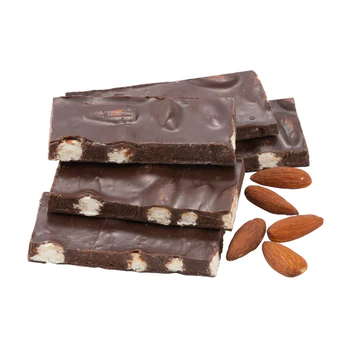
Chocolate is one of the world’s most loved treats, enjoyed for comfort, celebration, and indulgence. However, for individuals with gluten intolerance, celiac disease, or those choosing a gluten-free lifestyle, not all chocolate is automatically safe. While cocoa itself is naturally gluten-free, the final product can be affected by added ingredients or manufacturing processes. Understanding how gluten-free chocolate is made, labeled, and enjoyed can help you make confident choices without sacrificing flavor or quality.
This guide explores what gluten-free chocolate really means, how it differs from regular chocolate, and what to look for when selecting a trustworthy option.
What Does Gluten-Free Mean in Chocolate?
Gluten is a protein found in wheat, barley, and rye. In chocolate, gluten is not usually part of the core ingredients but can appear through additives such as cookie pieces, malt flavoring, or cereal inclusions. Cross-contamination during manufacturing is another common concern.
When chocolate is labeled gluten-free, it means the product meets strict regulatory standards, typically containing less than 20 parts per million (ppm) of gluten. This threshold is considered safe for most people with gluten sensitivities or celiac disease.
Is Chocolate Naturally Gluten-Free?
Pure chocolate made from cocoa solids, cocoa butter, sugar, and vanilla is naturally gluten-free. Dark chocolate, in particular, often has fewer added ingredients, making it a safer option. However, milk chocolate and flavored varieties may include additives that introduce gluten.
Always remember that “naturally gluten-free” does not guarantee safety unless the product is made in a controlled environment and clearly labeled.
Common Sources of Gluten in Chocolate
Understanding where gluten may hide can help you avoid unwanted exposure. Common sources include:
- Flavorings and fillings: Cookie crumbs, brownie pieces, or malted milk
- Add-ins: Wafer bits, crisped rice made with barley malt
- Processing risks: Shared equipment with gluten-containing products
Even small amounts can cause issues for sensitive individuals, which is why certification and transparency matter.
How to Choose Safe Gluten-Free Chocolate
When shopping for chocolate, reading labels carefully is essential. Look for the following indicators:
Certified Gluten-Free Labeling
Products that carry a certified gluten-free seal have undergone testing and meet recognized safety standards.
Ingredient Simplicity
Shorter ingredient lists usually mean fewer risks. Cocoa, sugar, cocoa butter, and natural flavorings are generally safe.
Manufacturer Transparency
Reputable brands clearly disclose allergens and manufacturing practices. For example, Chocolate Emporium is known for clearly communicating ingredient sourcing and allergen considerations, which helps consumers make informed decisions.
Health Benefits of Gluten-Free Chocolate
High-quality gluten-free chocolate, especially dark varieties, can offer several health benefits when enjoyed in moderation:
- Rich in antioxidants: Cocoa contains flavonoids that support heart health
- Mood enhancement: Chocolate stimulates serotonin and endorphin production
- Diet compatibility: Safe for gluten-free and celiac-friendly diets
- Lower inflammation risk: When free from gluten-related triggers
Choosing chocolate with higher cocoa content and minimal additives maximizes these benefits.
Gluten-Free Chocolate for Special Diets
Gluten-free chocolate often aligns well with other dietary preferences:
- Vegan diets: Many dark chocolates are dairy-free
- Low-sugar lifestyles: Sugar-free or reduced-sugar options are available
- Allergen-conscious diets: Products can be free from nuts, soy, or dairy
Still, each dietary need is unique, so label verification remains critical.
The Growing Demand for Gluten-Free Options
As awareness of food sensitivities increases, demand for gluten-free products continues to rise. Consumers are no longer willing to compromise on taste or texture. This has encouraged manufacturers to innovate, resulting in gluten-free chocolate that rivals traditional varieties in richness and complexity.
Artisan producers and large manufacturers alike now focus on dedicated facilities, better testing, and clearer labeling to meet consumer expectations.
Conclusion
Enjoying chocolate should never come with uncertainty or discomfort. With better labeling, improved manufacturing standards, and increased awareness, finding high-quality Gluten Free Chocolate has become easier than ever. By understanding ingredients, recognizing trusted certifications, and choosing transparent brands, you can indulge confidently and safely.
