Over the past few years, the way people use nicotine has changed a lot. Traditional cigarettes are no longer the only option. Today, alternatives like heated tobacco products and vaping have become very popular. These products give users a way to enjoy nicotine without burning cigarettes. They are often seen as less harmful and more modern. However, each has its own features, risks, and user experience, making the choice confusing for many people.
If you are thinking about switching from smoking or trying a safer alternative, it’s important to understand the differences between heated tobacco and traditional vaping. Knowing how they work, the health effects, and what to expect can help you decide which might suit you best. This guide breaks down everything from technology and nicotine delivery to cost and lifestyle impact.
What Is Heated Tobacco?
Heated tobacco products, sometimes called heat-not-burn devices, use real tobacco. Unlike cigarettes, they don’t burn the tobacco. Instead, they heat it to a lower temperature, producing a nicotine-containing vapor instead of smoke. Because there is no combustion, the aerosol has fewer harmful chemicals than cigarette smoke, but it is not completely risk-free.
These devices usually use pre-filled tobacco sticks and come from brands designed to give a smoking-like experience. The taste and throat hit feel similar to traditional cigarettes, which makes them attractive to smokers who want a close alternative without the smoke.
What Is Traditional Vaping?
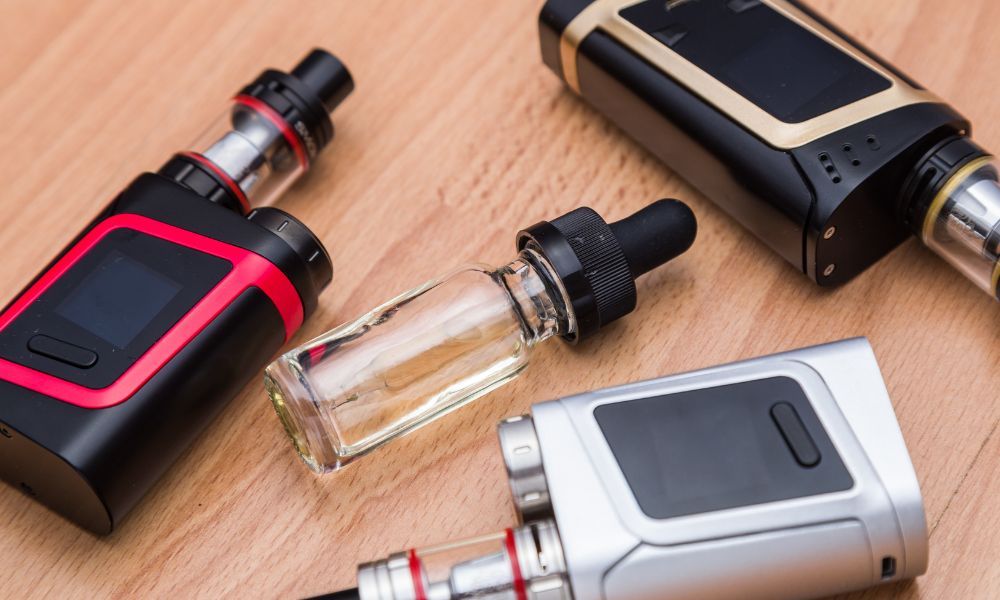
Traditional vaping works differently. E-cigarettes and vape devices heat a liquid, called e-liquid or vape juice, to create a vapor that can be inhaled. This liquid usually contains nicotine, flavorings, and a base of propylene glycol and vegetable glycerin. Unlike heated tobacco, vaping does not use actual tobacco leaves.
Vaping devices vary widely. Some are simple disposable pens, while others are refillable pod systems or advanced mods. Nicotine levels in e-liquids can be adjusted to suit your preference, giving more control over the experience than most heated tobacco devices.
Key Differences Between Heated Tobacco and Vaping
The main differences come down to how they work and what they deliver:
- Source: Heated tobacco uses real tobacco, while vaping uses liquid with extracted nicotine.
- Nicotine Delivery: Heated tobacco gives nicotine closer to what you get from cigarettes. Vaping delivery can vary depending on device type and liquid strength.
- Taste and Aroma: Heated tobacco tastes more like traditional cigarettes and leaves a faint tobacco smell. Vaping offers a wide range of flavors, from fruit to dessert, and the vapor smell usually disappears quickly.
- Technology: Heated tobacco uses a heating element inside the device to warm tobacco sticks. Vapes use a coil and wick system to turn liquid into vapor.
Each option has its own advantages depending on what you are looking for.
Nicotine and Satisfaction
For smokers switching from cigarettes, nicotine satisfaction matters. Heated tobacco often provides a stronger, more familiar hit, which some smokers find easier to transition to. Vaping allows flexibility in nicotine strength, so users can gradually reduce intake if quitting is the goal.
Some vape users also enjoy customizing flavors and devices. You can explore different types of e-liquids to find a combination that suits your taste. For example, shops like FogFathers offer a wide variety of vape kits and flavors for those who want to experiment.
Health Considerations
Neither heated tobacco nor vaping is completely safe, but both are generally considered less harmful than smoking cigarettes.
- Heated Tobacco: Produces fewer toxic chemicals than cigarette smoke. Still contains nicotine and some harmful compounds.
- Vaping: Usually produces lower levels of harmful chemicals, though some flavorings may cause lung irritation. Nicotine addiction is still a risk.
If you want to reduce harm, switching entirely from cigarettes to one of these alternatives is more effective than using them alongside smoking.
User Experience and Lifestyle
Heated tobacco devices appeal to people who want the familiar feel of smoking. The ritual of holding a stick, inhaling, and seeing a small amount of vapor can be comforting. The smell is less intense than smoke but may still be noticeable.
Vaping, on the other hand, allows for creativity. Users can try new flavors, adjust nicotine strength, and enjoy different devices. It is also more socially discreet because the vapor disappears quickly and usually leaves little odor.
Cost Comparison
Heated tobacco devices often have a higher upfront cost and recurring cost for tobacco sticks, which can be close to cigarette prices. Vaping can be cheaper over time if you use refillable devices, though high-end vape mods may have a significant initial cost. Your choice may depend on how much you are willing to spend and how often you use the products.
Environmental Impact
Both products produce waste. Heated tobacco uses disposable sticks that need proper disposal, while vaping devices can create electronic waste, especially disposables. Refillable vapes reduce waste and can be more environmentally friendly. Responsible disposal of both is important.
Smoking Cessation and Support
Many smokers wonder if these alternatives can help them quit. Heated tobacco can be a step-down option, but complete nicotine cessation is not guaranteed. Vaping may help some smokers gradually reduce nicotine intake. In both cases, professional support and planning increase the chances of success.
Making the Right Choice
Choosing between heated tobacco and traditional vaping depends on your goals:
- If you want something close to smoking: Heated tobacco may be better.
- If you want flexibility and flavors: Vaping is the likely choice.
- If cost is a concern: Vaping may be cheaper long term.
- If health is your priority: Both are less harmful than cigarettes, but quitting nicotine completely is best.
Tips for Switching Successfully
- Set a Goal: Know whether you want to reduce smoking, quit nicotine entirely, or just try an alternative.
- Start Gradually: Transition slowly to avoid dual use.
- Seek Advice: Health professionals can help create a safe plan.
- Track Usage: Monitoring nicotine intake helps prevent overuse.
Conclusion
Heated tobacco and traditional vaping offer modern alternatives for people who want to move away from cigarettes. Both have pros and cons, from taste and nicotine delivery to cost and health effects. Choosing the right product depends on your preferences, smoking history, and long-term goals. While neither is completely safe, switching from smoking to a less harmful alternative is a positive step. Ultimately, quitting nicotine entirely remains the best choice for health, but these options can be valuable tools for smokers looking to reduce harm.
