

A damp basement is more than just a nuisance—it’s a breeding ground for mold, mildew, and a variety of health hazards. Moisture seeps through walls, floors, and even cracks, creating an environment where harmful fungi can thrive. Proper basement waterproofing protects your home, your family’s health, and your property investment by keeping water intrusion at bay and maintaining a dry, safe environment.
This guide explores how effective basement waterproofing prevents mold, improves indoor air quality, and safeguards your health while giving tips on techniques, materials, and best practices.
Why Moist Basements Are a Health Concern
Basements are naturally prone to dampness because they are partially or fully below ground level. Moisture accumulation can lead to:
- Mold and mildew growth
- Increased indoor humidity
- Structural deterioration
- Allergens and dust mites
The Connection Between Moisture and Mold
Mold spores are microscopic fungi that thrive in damp, dark, and poorly ventilated areas. Even minor leaks or condensation can trigger their growth, causing allergic reactions, respiratory problems, and other health issues.
Health Impacts of Mold Exposure
- Chronic coughing or sneezing
- Eye irritation
- Skin rashes
- Asthma exacerbation
- Sinus congestion
Left unchecked, mold can also damage furniture, insulation, and flooring, making remediation costly.
How Basement Waterproofing Stops Mold
The primary goal of basement waterproofing is to eliminate water intrusion and maintain a dry, safe environment. Proper waterproofing prevents mold by addressing the root cause: excess moisture.
Sealing Cracks and Joints
Cracks in foundation walls or floors allow water to seep in. Waterproofing solutions such as polyurethane injections or cementitious coatings effectively seal these vulnerabilities.
Installing Drainage Systems
Interior and exterior drainage systems, like French drains or sump pumps, redirect water away from the basement, reducing the risk of dampness and mold formation.
Applying Waterproof Coatings
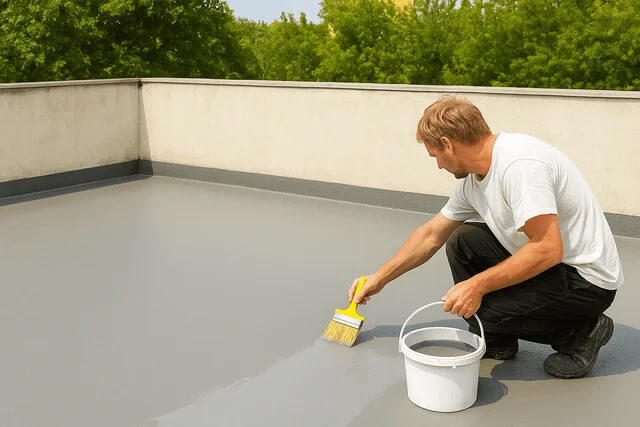
Bituminous membranes, liquid-applied coatings, and crystalline coatings form barriers that block moisture penetration while preserving the structure of your basement.
Benefits of a Mold-Free Basement
Maintaining a dry basement has far-reaching benefits:
- Improved Indoor Air Quality: Reduces allergens and harmful spores in your home.
- Structural Safety: Prevents wood rot, rusting of metal fixtures, and concrete deterioration.
- Lower Repair Costs: Avoid expensive mold remediation and structural repairs.
- Health Protection: Minimizes risks of asthma, allergies, and other respiratory conditions.
A well-waterproofed basement is not just about comfort—it’s a crucial investment in safety and longevity.
Common Basement Waterproofing Techniques
There are multiple approaches depending on the source and severity of water infiltration.
External Waterproofing
Involves excavating the soil around the foundation and applying waterproof membranes or coatings. This method is ideal for new constructions or severe seepage problems.
Internal Waterproofing
Applies coatings, sealants, or drainage channels inside the basement. Suitable for existing structures where excavation isn’t practical.
Injection Method
Polyurethane or epoxy injections seal cracks and joints where water enters. It’s quick, minimally invasive, and highly effective.
Sump Pumps
Mechanical systems that collect water entering the basement and pump it outside. Often paired with drainage systems for maximum protection.
Preventive Measures Alongside Waterproofing
While waterproofing forms the core defense, other preventive strategies enhance mold protection.
Humidity Control
Install dehumidifiers to maintain indoor humidity between 30–50%, which discourages mold growth.
Proper Ventilation
Ensure air circulation through vents or exhaust fans. Even small openings can reduce moisture accumulation.
Regular Inspections
Check for leaks, condensation, or water stains regularly. Early detection allows for timely intervention before mold spreads.
Use Mold-Resistant Materials
Consider mold-resistant drywall, insulation, and flooring for additional protection, especially in renovation projects.
Signs You Need Basement Waterproofing
Knowing when to act is essential to prevent mold and health hazards.
- Water stains or discoloration on walls
- Musty odor or damp smell
- Bubbling or peeling paint
- Efflorescence (white powdery deposits)
- Persistent water pooling or seepage
Ignoring these signs increases the likelihood of mold-related health risks and structural damage.
Cost Considerations and Long-Term Value
While basement waterproofing has upfront costs, it provides long-term savings.
- Material Costs: Membranes, coatings, sealants, and pumps.
- Labour: Professional installation ensures durability and warranty coverage.
- Maintenance: Low-maintenance systems reduce ongoing costs.
- Return on Investment: A dry, safe basement preserves property value and reduces medical and repair expenses.
Investing in professional waterproofing pays off by preventing costly repairs and health hazards down the line.
FAQs
Can basement waterproofing remove existing mold?
Waterproofing primarily prevents moisture. For existing mold, professional remediation is recommended before applying waterproofing solutions.
How long does basement waterproofing last?
Depending on the method and materials, effective waterproofing can last 10–20 years with proper maintenance.
Is waterproofing necessary for newly built basements?
Yes. Even new constructions can face groundwater seepage, especially in areas with high water tables or poor soil drainage.
Can I waterproof my basement myself?
DIY solutions exist, but professional basement waterproofing ensures comprehensive coverage, long-term durability, and warranty protection.
Does waterproofing affect indoor air quality?
Yes. By eliminating dampness, waterproofing reduces mold spores and allergens, improving indoor air quality and reducing health risks.
Final Thoughts
Investing in professional basement waterproofing is more than a structural precaution—it’s a proactive step to protect your family’s health and your home’s longevity. A dry basement eliminates mold growth, minimizes health hazards, and preserves the integrity of your property. By combining waterproofing with ventilation, humidity control, and regular inspections, homeowners can create a safe, comfortable, and mold-free living space.
How Recreational Cannabis Stores Work: Rules and Regulations
Remote Bookkeeping Services Australia: The Invisible Engine Behind Modern Businesses
How to Choose the Right Clinic for Nose Surgery in Islamabad
Wie man Knieschmerzen ohne Operation behandelt
Before Filing Mutual Divorce in Delhi: Important Legal Facts Every Couple Must Know (2026 Guide)
About the Author