Walk into any modern café or office pantry and you notice a quiet shift taking place. Coffee machines no longer rely only on levers, buttons, and guesswork. Technology now shapes how people brew, customize, and enjoy their daily cup. Smart features bring precision into spaces once ruled by instinct, creating a brewing experience that feels intuitive rather than technical. This evolution does not replace craft. It refines it.
The Shift from Manual Control to Intelligent Systems
Traditional machines depend on experience and repetition. Smart systems focus on consistency and data, redefining how coffee machines perform in dynamic environments. Sensors track temperature, pressure, and extraction time in real time. Built in processors adjust these variables automatically to maintain balance across every cup.
This transition matters because flavor responds to small changes. Even a slight shift in water temperature alters the final result. Intelligent controls reduce that risk while preserving flexibility for users who enjoy hands on brewing.
Technology does not remove skill. It supports it.
Connectivity Changes Daily Brewing Habits
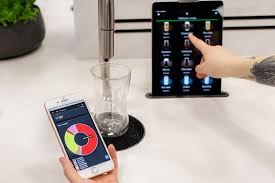
Smart connectivity introduces a new layer of interaction. Machines now connect to mobile apps, tablets, or internal dashboards, transforming how coffee machines integrate into daily routines. Users adjust grind size, brewing temperature, and strength through simple interfaces rather than manual calibration.
This level of control allows personalization without complexity. A preferred profile loads instantly. Multiple users share the same machine while maintaining individual preferences. For homes and workplaces alike, this saves time while keeping quality intact.
Connectivity also supports remote monitoring. Operators track usage, cleaning cycles, and performance without standing beside the machine. That awareness reduces downtime and improves reliability.
Data Driven Consistency Becomes the New Standard
Smart brewing relies on data rather than memory. Machines log every extraction, identifying patterns over time. When performance drifts, alerts appear early rather than after flavor suffers.
For those who serve espresso coffee daily, consistency defines trust. Customers return when the flavor remains familiar. Data driven systems protect that expectation. They reduce variation across shifts, users, and even locations.
This approach also supports training. New staff learn faster when machines guide the process instead of relying only on verbal instruction.
Automation Supports Maintenance and Longevity
Maintenance often feels reactive. Smart machines change that dynamic. Sensors monitor scale buildup, water quality, and component wear. Notifications appear before issues escalate.
This proactive care extends lifespan and maintains brewing quality. Automated cleaning cycles also ensure hygiene without adding daily effort. Users spend less time troubleshooting and more time enjoying reliable performance.
Machines that communicate their own needs reduce stress for operators and owners alike.
Sustainability Gains Momentum Through Smart Design
Energy efficiency now plays a central role in machine development, especially as coffee machines evolve to meet modern sustainability expectations. Smart systems regulate power usage by learning peak demand times. Heating elements activate only when needed, reducing waste.
Water usage also receives attention. Precision dosing limits excess while maintaining extraction quality. These adjustments matter at scale, especially in environments that serve dozens or hundreds of cups daily.
Sustainability no longer feels like a tradeoff. Technology aligns efficiency with performance.
User Experience Becomes More Human
Interfaces evolve alongside hardware. Touchscreens replace dense control panels. Visual cues guide users through brewing steps without overwhelming them.
Voice prompts and visual feedback reduce friction. Brewing feels approachable even for first time users. At the same time, advanced settings remain available for those who enjoy experimentation.
Smart design respects both simplicity and depth.
The Role of Artificial Intelligence in Flavor Control
Artificial intelligence moves machines from reactive to predictive behavior. Systems learn how variables interact under different conditions. Over time, machines refine extraction based on real usage patterns.
This learning process supports stable flavor even when beans change or humidity shifts. For lovers of espresso coffee, that stability preserves character while allowing adaptation.
AI does not dictate taste. It protects it.
Why This Evolution Matters Beyond Convenience
Smart technology influences how people relate to coffee. Brewing becomes more accessible without losing integrity. Quality reaches more spaces without demanding constant supervision.
This shift supports offices, cafés, and homes equally. Reliable performance encourages better habits and more thoughtful consumption.
Technology quietly raises expectations while meeting them consistently.
Conclusion
The evolution of coffee machines reflects a broader change in how technology integrates into daily rituals. Smart systems enhance control, consistency, and sustainability without overshadowing craft. They create space for personalization while protecting quality at scale. As innovation continues, the relationship between people and espresso coffee grows more intuitive, more reliable, and far more connected than before.
Luxury Erotic Lingerie for the Bold – Only at Elin Harness
Top Things to Do in Greenland for Adventure Seekers
Improving Oil & Gas Efficiency with High-Quality Centrifugal Pumps
Corporate Event Planning Made Easy with Trolley Bus Rental Services
Future-Ready Google AdWords Services & Social Media Advertising Solutions 2026
