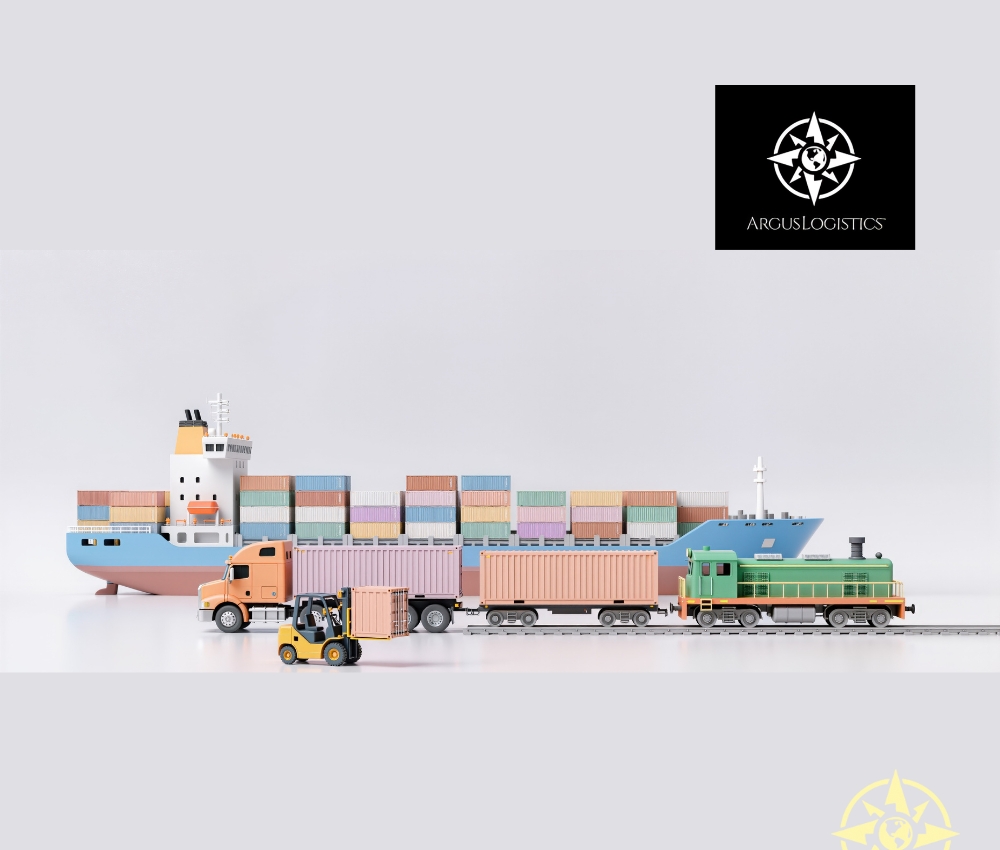
In today’s competitive logistics landscape, speed, accuracy, and efficiency are critical. Businesses need strategies that reduce handling times, minimize inventory holding, and accelerate delivery to customers. One approach that has gained prominence is cross docking. Cross docking involves transferring products directly from inbound to outbound transportation, minimizing storage time and streamlining the supply chain.
Unlike traditional warehousing, where products may sit for days or weeks, cross docking emphasizes immediate movement. This approach can significantly reduce costs, improve order fulfillment speed, and enhance customer satisfaction.
What Is Cross Docking?
Cross docking is a logistics process where incoming shipments are sorted and consolidated for immediate outbound delivery. Instead of storing goods in a warehouse, items move rapidly through a cross docking facility, reducing handling and storage costs.
The typical cross docking process involves:
- Receiving: Goods arrive from suppliers or manufacturing plants.
- Sorting and Consolidation: Items are sorted by destination, consolidated, and prepared for outbound shipping.
- Immediate Shipping: Products are loaded onto delivery vehicles for dispatch to customers or retail locations.
This streamlined approach ensures faster throughput, reduces warehouse congestion, and helps businesses meet tight delivery deadlines.
Benefits of Cross Docking
The advantages of cross docking extend across operational efficiency, cost savings, and customer satisfaction:
- Faster Delivery: By eliminating storage, products reach end customers more quickly.
- Reduced Inventory Costs: Minimal storage decreases warehouse expenses.
- Lower Risk of Damage: Fewer handling steps reduce the likelihood of product damage.
- Enhanced Agility: Businesses can respond quickly to changing demand or supply disruptions.
- Improved Cash Flow: Products move rapidly through the supply chain, converting inventory into revenue faster.
These benefits are particularly important for businesses handling perishable goods, high-demand consumer products, or time-sensitive shipments.
Integrating Technology for Efficient Cross Docking
Technology plays a vital role in ensuring cross docking runs efficiently. A robust Supply Chain TMS (Transportation Management System) provides visibility, manages inbound and outbound shipments, and optimizes routing. It ensures that shipments move seamlessly through the facility, reducing delays and errors.
For organizations looking to achieve operational excellence, leveraging advanced logistics processes through Achieving Operational Excellence in Logistics allows them to implement best practices, streamline workflows, and maximize throughput. Integrating operational excellence with cross docking ensures minimal downtime and consistent service quality.
Leveraging Logistics Business Intelligence
Cross docking operations can further benefit from logistics business intelligence. By analyzing historical data, order patterns, and shipment performance, managers can forecast demand, optimize routing, and identify bottlenecks.
Data Analytics for Logistics Excellence provides actionable insights that allow businesses to make informed decisions, allocate resources efficiently, and improve overall supply chain performance. For example, analytics can help determine optimal sorting strategies, carrier schedules, and inventory staging to maximize speed and accuracy.
High-End Logistics Services and Cross Docking
High-end logistics services often integrate cross docking as part of premium supply chain solutions. These services include specialized handling for fragile or high-value goods, temperature-controlled shipping, and advanced packaging. Businesses that require precision in delivery, such as manufacturers of electronics, automotive components, or luxury goods, benefit from professional high-end logistics services.
High-end services ensure that products are moved carefully, tracked accurately, and delivered on schedule. By combining cross docking with advanced handling and monitoring, businesses can reduce damages and enhance customer satisfaction.
Managing Freight Costs
Accurate freight management is critical for efficient cross docking. Mismanaged invoices or discrepancies can lead to unnecessary costs and operational inefficiencies. Implementing freight bill audit and payment solutions ensures carriers are paid correctly, overcharges are recovered, and shipping costs are optimized.
Freight audit systems also provide visibility into carrier performance, allowing businesses to negotiate better rates, improve routing, and maintain financial control over transportation expenses.
The Role of Freight Forwarders
Experienced freight forwarders in Michigan play a critical role in cross docking operations. They coordinate inbound shipments from multiple suppliers, consolidate goods, and manage outbound transportation efficiently. Freight forwarders bring expertise in carrier management, customs documentation, and multi-modal shipping, ensuring smooth and timely delivery of goods.
Working with skilled forwarders helps businesses streamline their cross docking operations, reduce delays, and improve overall supply chain responsiveness.
Industry Applications
Cross docking is widely applicable across various industries:
- Retail and E-commerce: High-volume products benefit from rapid order fulfillment and reduced inventory holding.
- Automotive and Industrial Manufacturing: Just-in-time delivery of parts reduces storage requirements and supports continuous production.
- Food and Beverage: Perishable items require minimal storage and immediate dispatch to maintain freshness.
- Consumer Electronics: Products benefit from reduced handling and faster distribution to retailers or end customers.
Each industry can tailor cross docking operations to meet specific product requirements, delivery schedules, and customer expectations.
Best Practices for Implementing Cross Docking
Businesses can maximize cross docking benefits by adopting best practices:
- Strategic Location: Facilities should be near suppliers or key distribution points to reduce transit times.
- Technology Integration: Use TMS, analytics, and WMS to monitor shipments, optimize sorting, and track KPIs.
- Carrier Coordination: Collaborate with trusted carriers and freight forwarders for reliable transport.
- Standardized Processes: Implement consistent receiving, sorting, and outbound procedures.
- Continuous Monitoring: Analyze performance metrics and optimize workflows regularly.
Following these practices ensures cross docking operations are efficient, cost-effective, and aligned with customer expectations.
Conclusion
Cross docking is a proven strategy for accelerating supply chains, reducing inventory costs, and improving customer satisfaction. Businesses that integrate cross docking with Supply Chain TMS, leverage logistics business intelligence, and utilize freight bill audit and payment solutions can achieve operational excellence.
High-end logistics services ensure delicate, bulky, or high-value items are handled with care, while freight forwarders in Michigan provide expertise in managing complex transportation networks. Combined, these elements allow businesses to move products faster, reduce operational inefficiencies, and maintain a competitive edge.
For companies seeking speed, accuracy, and cost-effectiveness, cross docking is a vital tool in modern supply chain optimization. Proper planning, technology integration, and expert logistics support transform cross docking from a simple process into a strategic advantage.
