

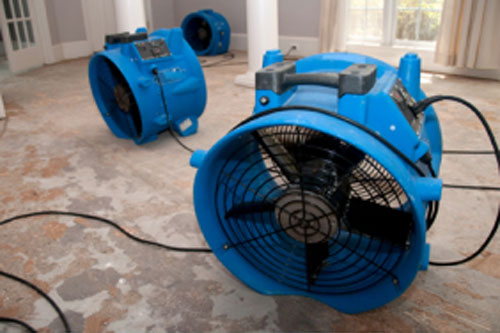
Basement water damage can range from minor leaks to major flooding, causing structural issues, mold growth, and even health risks. When it comes to addressing this problem, professional intervention is crucial. But how exactly do experts determine the severity of basement water damage? Let’s explore the steps involved in basement water damage restoration and why consulting certified professionals is essential. At Ideal Response, we emphasize accurate assessment as the foundation for effective recovery.
Why Is Professional Assessment Necessary?
Before starting any restoration work, professionals evaluate the extent of water damage to ensure a safe and effective cleanup. Homeowners may underestimate the impact of water infiltration, which can lead to long-term issues like mold growth, structural weakening, and persistent odors. A professional assessment helps to:
- Identify the source and type of water (clean, gray, or black water).
- Determine the affected areas, including hidden spaces behind walls, under floors, and in basements.
- Evaluate structural damage to walls, flooring, and foundations.
- Establish a comprehensive restoration plan.
This systematic approach ensures that basement water damage restoration is precise and tailored to the severity of the issue.
Step 1: Initial Visual Inspection
Professionals begin with a thorough visual inspection of the basement. They look for signs like:
- Water stains on walls, ceilings, and floors.
- Warped or buckling flooring.
- Peeling paint or wallpaper.
- Standing water or damp areas.
While these signs may seem minor, they can indicate more extensive water infiltration. Ideal Response teams are trained to recognize subtle indicators that might escape the untrained eye, ensuring no hidden damage is overlooked.
Step 2: Determining the Source of Water
Understanding where the water is coming from is crucial in assessing severity. Professionals identify sources such as:
- Burst pipes or plumbing leaks.
- Foundation cracks allowing groundwater entry.
- Flooding from heavy rain or sewer backups.
- Condensation from HVAC or plumbing systems.
By pinpointing the source, restoration experts can prevent recurring issues, which is as important as removing the existing water. Ignoring the source can lead to repeated damage and costly repairs.
Step 3: Measuring Moisture Levels
After locating the source, specialists use advanced tools to measure moisture in walls, floors, and substructures. Common tools include:
- Moisture meters: Determine the percentage of water absorbed by materials.
- Thermal imaging cameras: Detect hidden moisture behind walls or under floors.
- Hygrometers: Measure humidity levels in the basement air.
These measurements help classify the water damage into categories. For instance, minor water exposure may require simple drying, while saturated structures might need full-scale basement water damage restoration.
Step 4: Evaluating the Type of Water
Water type is a major factor in determining severity:
- Clean water: Usually from broken pipes or rainwater, poses minimal health risk.
- Gray water: Slightly contaminated, from washing machines or dishwashers, may cause mild illness.
- Black water: Highly contaminated sewage or floodwater, requiring immediate smoke remediation services and biohazard precautions.
Professionals must know the water category to apply the correct cleaning and restoration techniques safely.
Step 5: Inspecting Structural Damage
Water often weakens structural elements over time. Experts check for:
- Foundation cracks and settling.
- Warping of wooden beams or subfloors.
- Rust or corrosion in metal supports.
- Damage to insulation and drywall.
The goal is to prevent long-term structural failure, which could compromise the entire building if left unaddressed.
Step 6: Checking for Mold and Mildew
One of the hidden risks of water damage is mold growth. Professionals inspect for:
- Visible mold on walls, flooring, and ceilings.
- Musty odors indicating hidden growth.
- Potential health hazards for occupants.
Timely identification allows experts to implement proper smoke remediation services, air purification, and dehumidification techniques to stop mold spread.
Step 7: Documenting and Categorizing Damage
Once all assessments are complete, the team documents the extent of damage. Photos, moisture readings, and detailed notes are taken to:
- Plan the restoration process.
- Estimate costs for homeowners and insurance claims.
- Prioritize areas needing immediate attention.
Accurate documentation ensures that basement water damage restoration is systematic, efficient, and transparent.
Step 8: Establishing a Restoration Plan
After assessing severity, professionals create a step-by-step plan that includes:
- Water extraction using pumps and vacuums.
- Drying and dehumidification of affected areas.
- Cleaning and sanitizing surfaces, especially if gray or black water is present.
- Mold remediation and structural repairs.
- Final inspection to confirm that moisture levels are safe.
At Ideal Response, following this comprehensive plan guarantees that the basement is restored safely and efficiently, reducing future risks.
Step 9: Continuous Monitoring
Even after restoration, professionals often recommend follow-up inspections to ensure:
- Humidity remains within safe limits.
- No lingering mold or mildew.
- Structural integrity is maintained.
This ongoing monitoring prevents minor issues from escalating into major problems and safeguards the property long-term.
Conclusion: Why Expert Assessment Matters
Assessing the severity of basement water damage is not a DIY task. Professional evaluation ensures that all damage—visible and hidden—is accounted for. By using advanced tools, expert knowledge, and proven methods, certified restoration companies provide safe and effective basement water damage restoration. Moreover, incorporating smoke remediation services when needed ensures that both property and indoor air quality are protected.
Investing in professional assessment may seem like an extra step, but it prevents recurring damage, costly repairs, and potential health hazards. Homeowners can trust experts like Ideal Response to handle everything from initial assessment to full restoration, ensuring peace of mind and a safe, dry basement.
Top-Rated Beirut Escorts Offering Sophisticated Experiences
Saving Time and Money with a Healthcare Virtual Assistant Today
What to Look for When Choosing a Trade Show Booth Manufacturer in the U.S.?
How Recreational Cannabis Stores Work: Rules and Regulations
Remote Bookkeeping Services Australia: The Invisible Engine Behind Modern Businesses
About the Author