




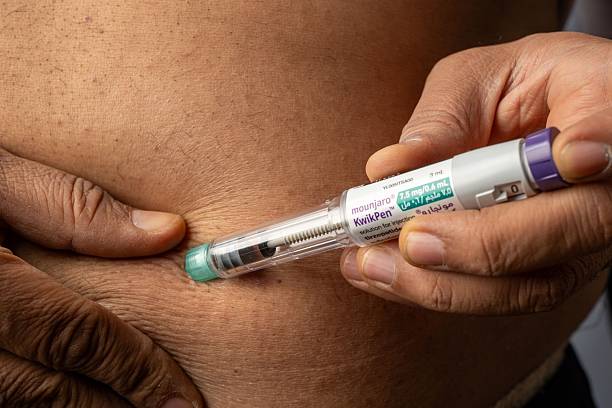
In the realm of weight management and metabolic health, numerous treatment options are available to help individuals achieve their health goals. Among these, injectable medications have gained popularity for their efficacy and convenience. Two prominent options are Mounjaro Abu Dhabi and Wegovy, both of which are designed to assist with weight loss and improve metabolic health markers. While they share similarities, understanding their differences is crucial for individuals seeking the most suitable treatment for their needs. This article explores how Mounjaro Injection differs from Wegovy, focusing on their mechanisms, benefits, and unique features to help users make informed decisions.
Overview of Mounjaro and Wegovy
What Is Mounjaro?
Mounjaro is an injectable medication primarily used to manage type 2 diabetes but has also shown promise in aiding weight loss. It is designed to regulate blood sugar levels and improve metabolic function through specific hormonal pathways. The active ingredients in Mounjaro target multiple receptors involved in glucose regulation and appetite control, making it a comprehensive approach to metabolic health.
What Is Wegovy?
Wegovy is a branded formulation of semaglutide, a glucagon-like peptide-1 (GLP-1) receptor agonist. It is specifically approved for weight management in individuals with obesity or overweight conditions with related health risks. Wegovy works by mimicking natural hormones that regulate appetite, leading to reduced food intake and increased satiety.
Key Differences in Mechanism of Action
Mounjaro’s Multifaceted Approach
Mounjaro contains an active compound that targets two critical hormonal pathways: GLP-1 and GIP (glucose-dependent insulinotropic polypeptide). By acting on both, it enhances insulin secretion, suppresses appetite, and improves overall glucose metabolism. This dual-action mechanism makes Mounjaro effective not only in controlling blood sugar but also in promoting weight loss through appetite suppression and metabolic enhancement.
Wegovy’s Focus on GLP-1
Wegovy, on the other hand, primarily targets the GLP-1 receptor. By activating this receptor, it slows gastric emptying, reduces hunger signals, and promotes feelings of fullness. Its design is specifically tailored for weight management, focusing on appetite regulation without direct GIP involvement.
Differences in Medical Indications and Usage
Mounjaro’s Broader Application
While initially developed for type 2 diabetes management, Mounjaro’s ability to influence multiple hormonal pathways makes it suitable for individuals seeking both blood sugar control and weight loss. Its dual action provides a comprehensive approach, especially for those with metabolic syndrome features.
Wegovy’s Specific Role
Wegovy is approved solely for weight management in individuals with obesity or overweight conditions with associated health risks. Its use is centered around appetite suppression and weight reduction, making it ideal for individuals primarily focused on weight loss rather than glycemic control.
Administration and Dosage
How Mounjaro Is Administered
Mounjaro is administered via subcutaneous injections, typically once a week. The dosing regimen may vary based on individual response and treatment goals. Its administration is straightforward, and patients usually receive guidance on injection technique.
Wegovy’s Administration Protocol
Wegovy is also given through weekly subcutaneous injections. The dosing schedule often involves gradual escalation to minimize gastrointestinal side effects, with patients instructed on proper injection techniques and timing.
Benefits and Effectiveness
Mounjaro’s Advantages
- Dual hormonal targeting enhances blood sugar regulation and weight loss.
- Potential for greater weight reduction due to combined appetite suppression and metabolic effects.
- Suitable for individuals with both diabetes and obesity.
Wegovy’s Benefits
- Strong appetite-suppressing effects lead to significant weight loss.
- Well-established safety profile for weight management.
- Simplified dosing with proven efficacy in weight reduction.
Side Effect Profiles and Tolerance
Mounjaro’s Tolerance
Patients may experience gastrointestinal symptoms, injection site reactions, or other mild side effects. Its dual mechanism may also lead to improved metabolic outcomes over time.
Wegovy’s Tolerance
Common side effects include nausea, diarrhea, and gastrointestinal discomfort, particularly during dose escalation. Its side effect profile is well-documented and manageable.
User Experience and Suitability
Choosing Between Mounjaro and Wegovy
Selection depends on individual health goals, medical conditions, and response to treatment. Mounjaro’s broader hormonal targets may be advantageous for those with diabetes or complex metabolic issues, while Wegovy offers a focused approach for weight loss.
Conclusion
Understanding how Mounjaro Injection differs from Wegovy is essential for individuals considering injectable treatments for weight management or metabolic health. While both medications are effective in promoting weight loss and improving metabolic parameters, their mechanisms, indications, and overall profiles vary. Consulting with a healthcare provider can help determine the most appropriate option based on personal health needs and goals. Whether opting for Mounjaro in Abu Dhabi or Wegovy, informed choices can lead to better health outcomes and sustained success.
About the Author