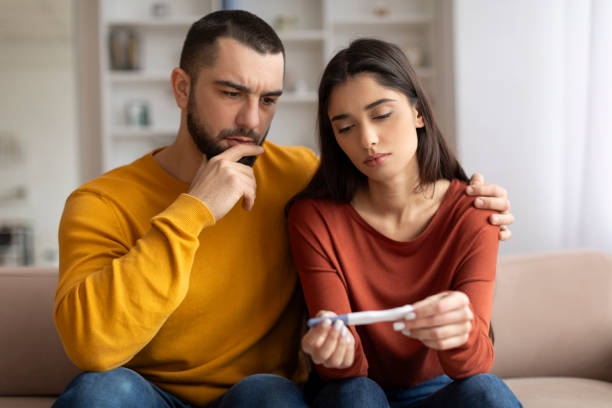
Infertility can be a challenging and emotional journey for many couples eager to conceive. When facing difficulties in achieving pregnancy, seeking professional infertility treatment becomes a vital step. Understanding the timeline for infertility treatment is essential for managing expectations and planning accordingly. Infertility Treatment in Abu Dhabi offers comprehensive options tailored to individual needs, helping couples navigate this complex process with guidance and support.
The duration of infertility treatment varies significantly based on numerous factors, including the underlying cause of infertility, the chosen treatment method, and individual health conditions. While some couples may experience success after a few cycles, others might require extended periods of intervention. It’s crucial to have a clear understanding of the typical timeline to remain patient and motivated throughout the process.
This article provides an in-depth overview of how long infertility treatment usually takes, covering different treatment phases, factors influencing duration, and what patients can expect at each stage. By understanding these aspects, couples can better prepare for their journey toward parenthood.
Factors Influencing the Duration of Infertility Treatment
Underlying Cause of Infertility
The primary factor impacting the length of treatment is the root cause of infertility. Conditions such as ovulatory disorders, tubal blockages, male factor infertility, or unexplained issues can affect the treatment timeline differently. For example, couples with straightforward issues like irregular ovulation might see results more quickly, whereas complex cases may need longer intervention.
Type of Treatment Chosen
Infertility treatments range from less invasive options like medication to more advanced procedures such as in-vitro fertilization (IVF). Each treatment type has a typical timeline:
- Ovulation induction with medications generally lasts a few cycles, often 1-3 months.
- Intrauterine insemination (IUI) may require multiple cycles, with an average of 3-6 cycles before achieving pregnancy.
- Assisted reproductive technologies (ART) like IVF typically involves a few weeks per cycle, with multiple cycles needed in some cases.
Age and Overall Health
A woman’s age significantly influences how long treatment takes and its success rate. Younger women tend to respond more quickly to treatment, often achieving pregnancy within fewer cycles. Conversely, advanced age may necessitate more cycles or different strategies, extending the overall timeline.
Response to Treatment
Individual response varies widely. Some women respond rapidly to medications and procedures, while others may experience delays or require adjustments to their treatment plan. Regular monitoring helps customize treatment and optimize outcomes, which can affect overall duration.
Typical Timeline for Different Types of Infertility Treatments
Ovulation Induction and IUI
- Duration: Usually 1-3 months for initial cycles.
- Process: Medications stimulate ovulation, followed by timed insemination.
- Expected Outcome: Many couples conceive within this timeframe, especially if the cause of infertility is related to ovulation issues.
In-Vitro Fertilization (IVF)
- Preparation Phase: About 2-3 weeks for ovarian stimulation.
- Retrieval and Fertilization: Usually takes place over a few days.
- Embryo Transfer: Typically occurs 3-5 days after fertilization.
- Waiting Period: Approximately 2 weeks to confirm pregnancy.
- Total Duration: Around 4-6 weeks per cycle, with some couples needing multiple cycles.
Other Assisted Reproductive Techniques
Procedures like intracytoplasmic sperm injection (ICSI), egg donation, or surrogacy involve similar timelines to IVF, with variations depending on the specific protocol and individual circumstances.
Factors That May Extend the Treatment Timeline
While many couples see results within the typical timeframes, some factors can prolong the process:
- Multiple failed cycles: Repeated unsuccessful attempts may require reassessment and adjustment of treatment plans.
- Health complications: Any additional health issues can delay progress.
- Embryo quality: Variations in embryo development can influence success rates and timing.
- Emotional and physical readiness: Psychological preparedness and physical health improvements can impact treatment pacing.
The Emotional and Physical Aspects of Treatment Duration
Infertility treatment is not solely a medical process; it also involves emotional resilience. The waiting periods and repeated cycles can be stressful, requiring strong mental health support. Physically, women may experience side effects from medications, and recovery periods after procedures can influence the overall timeline.
It’s important for couples to have a support system and clear communication with their healthcare provider. Regular counseling and education about the treatment process help alleviate anxiety and foster a positive outlook.
Monitoring and Adjusting Treatment Plans
Throughout infertility treatment, ongoing monitoring is crucial. Regular ultrasounds, blood tests, and assessments help evaluate response and guide necessary adjustments. This adaptive approach ensures that treatment remains tailored to the individual’s evolving needs, which can influence the overall timeline.
When to Expect Results
Most treatment plans include a specific waiting period after procedures like IVF embryo transfer. While some couples conceive immediately, others may need to go through multiple cycles. Patience is key, and maintaining realistic expectations helps manage emotional well-being.
Conclusion: Patience and Preparedness Are Key
Understanding how long infertility treatment usually takes provides reassurance and clarity during what can be a challenging journey. While timelines vary widely, a structured approach, ongoing support, and realistic goals significantly improve the experience. With advances in reproductive medicine and personalized care, many couples find success within an expected timeframe, bringing them closer to parenthood.
In summary, infertility treatment durations depend on individual factors, the type of intervention, and response to therapy. Couples should stay informed, communicate openly with their healthcare team, and maintain hope throughout their treatment journey.
