
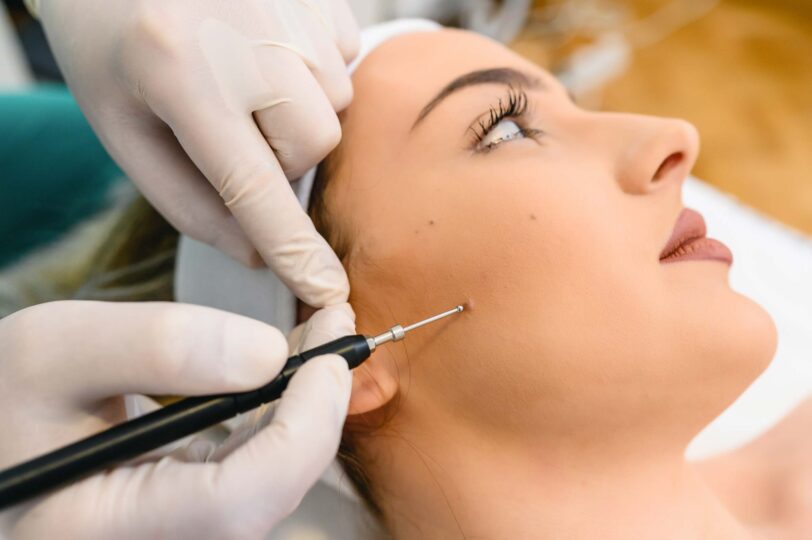
The process of skin regeneration following a minor dermatological procedure is a fascinating biological sequence. While the physical removal of a lesion is swift, the body’s internal repair mechanisms work systematically over several weeks to restore the skin’s integrity. When considering Mole Removal in Abu Dhabi, understanding the physiological stages of recovery is essential for any individual looking to manage their expectations and support their body’s natural healing pace. This guide provides an in-depth exploration of the factors that influence recovery, the typical timeline one can expect, and the best practices for maintaining the skin during this restorative phase.
The Initial Phase: The First 48 Hours
The moments immediately following the procedure mark the beginning of the inflammatory stage. This is a critical period where the body sends white blood cells to the site to prevent any external elements from interfering with the wound.
- Immediate Response: You may notice slight redness or swelling, which is a sign of increased blood flow to the area.
- Protection: A sterile dressing is typically applied to create a barrier against the environment.
- Activity Adjustment: It is generally advised to avoid strenuous movement that might put tension on the treated site.
The First Week: Scab Formation and Surface Repair
During days three to seven, the wound enters the proliferative phase. The body begins to rebuild the tissue using collagen and specialized cells.
- Natural Bandage: A scab will likely form over the site; this acts as a protective layer for the new skin growing underneath.
- Itching Sensations: As the edges of the wound contract, it is common to feel a slight itch, which is a hallmark of active healing.
- Hygiene: Gentle cleansing becomes part of the daily routine to keep the surface free of debris without disrupting the new tissue.
The Second to Fourth Week: New Skin Emergence
By the end of the second week, the initial surface healing is often complete. The most visible changes occur during this window as the primary repair work concludes.
- Scab Detachment: The protective scab will naturally fall off, revealing a fresh layer of pink or light red skin.
- Pinkness: This coloration is due to the high density of new blood vessels supporting the tissue; it is not a cause for concern.
- Strength: While the surface is closed, the deeper layers are still gaining strength and remain more sensitive than the surrounding skin.
Long-Term Maturation: The Three to Six-Month Mark
True healing is a marathon, not a sprint. The “remodeling” phase can last for several months as the collagen fibers reorganize themselves to match the surrounding skin.
- Texture Refinement: The area will gradually flatten and soften, losing any initial firmness.
- Color Fading: The pinkish hue will slowly transition to a shade that more closely matches your natural skin tone.
- UV Sensitivity: The new skin lacks the full pigment protection of older skin, making it highly susceptible to the sun.
Factors Influencing the Recovery Timeline
Not every healing journey is identical. Several variables dictate whether a site heals in ten days or takes several weeks to fully stabilize.
The Technique Used
The method of removal plays a primary role in how the skin responds.
- Surface Methods: Techniques that only involve the top layers of the skin typically have a much shorter visible recovery time.
- Deep Methods: Procedures that require reaching the deeper dermis involve more complex tissue repair and may require more time for the layers to align.
The Location on the Body
Blood supply is the fuel for healing, and different areas of the body receive varying levels of circulation.
- The Face: Because the face has an exceptionally rich blood supply, it often heals significantly faster than other areas.
- The Extremities: Areas like the ankles or shins have less robust circulation and may take longer to show progress.
- High-Movement Zones: Joints or the upper back, where the skin is constantly stretched, may require additional care to ensure the wound remains undisturbed.
Individual Biological Factors
General health and lifestyle choices significantly impact the speed of cellular turnover.
- Age: Younger skin generally regenerates faster due to higher collagen production.
- Nutrition: A diet rich in vitamins and proteins provides the building blocks the body needs to repair skin cells.
- Hydration: Well-hydrated skin maintains better elasticity and a more efficient barrier function during recovery.
Best Practices for Optimal Skin Recovery
Supporting the body through its natural stages can lead to more seamless results and a more comfortable experience.
Keeping the Site Moist
Scientific consensus has shifted away from “letting the wound breathe.” Instead, a moist environment is now known to be superior for cell migration.
- Barriers: Using a simple, fragrance-free ointment can prevent the wound from drying out and cracking.
- Flexibility: Moist skin is more flexible, which reduces the discomfort of tightness as the wound closes.
Protection from the Elements
The environment can be a major hurdle for recovering skin, especially in sunny climates.
- Sun Shielding: Keeping the area covered or using high-SPF protection is vital to prevent the new skin from darkening.
- Avoiding Irritants: Staying away from harsh chemicals, fragranced lotions, or abrasive fabrics prevents unnecessary inflammation.
The Importance of Patience
The most common mistake in post-procedure care is interference.
- The Hands-Off Rule: Resisting the urge to touch, pick, or scratch the area ensures the healing layers remain intact.
- Gradual Resumption: Slowly returning to full exercise routines prevents the wound from being pulled or stressed prematurely.
Frequently Asked Questions
1. When can I start exercising after the procedure?
It is usually best to wait at least 48 to 72 hours before engaging in light activity. For more intense workouts, especially those involving the area where the mole was removed, waiting one to two weeks is often recommended to prevent the wound from stretching or reopening.
2. Is it normal for the area to stay pink for several months?
Yes, lingering pinkness is a normal part of the maturation phase. This is caused by the increased blood flow required to remodel the tissue. It will gradually fade to your natural skin color over three to six months, though this can vary based on your skin type.
3. Can I apply makeup over the area?
Makeup should only be applied once the skin has completely closed and any scabs have fallen off naturally. Applying cosmetics to an open wound can introduce bacteria or irritate the delicate new skin cells. Once the surface is smooth and healed, you can use a gentle concealer.
4. How does sun exposure affect the healing site?
Sun exposure can cause “post-inflammatory hyperpigmentation,” where the healing skin turns darker than the surrounding area. This occurs because the new skin is very sensitive to UV rays. Consistent protection for at least six months is necessary to ensure the best cosmetic outcome.
Conclusion
While the “active” part of healing—the closure of the wound—happens within the first two weeks, the skin continues to refine itself for months afterward. By providing a clean, moist, and protected environment, you allow your body to perform its regenerative work efficiently. For residents or visitors in the UAE, referencing experts like the Enfield Royal Clinic Abu Dhabi can provide additional peace of mind when seeking professional guidance on skin health. Patience and consistent care are the most effective tools in your recovery kit, ensuring that the final result is as seamless as possible.
About the Author