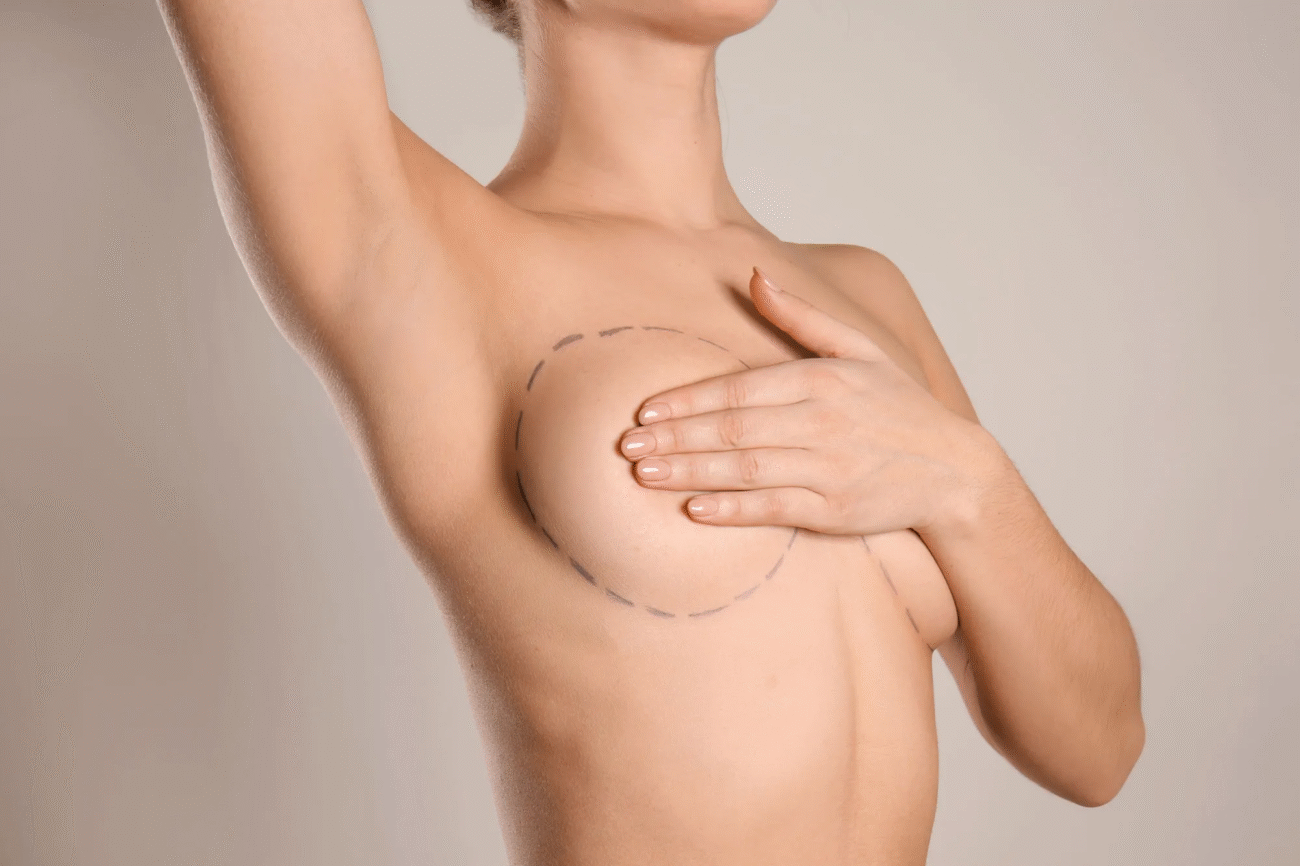
Breast augmentation surgery is a popular procedure, but one common concern among prospective patients is: How painful is breast augmentation surgery really? For those considering Breast Augmentation Surgery in Abu Dhabi, modern techniques and anesthesia options help minimize discomfort. Pain is a natural concern with any surgical procedure, but understanding what to expect during and after breast augmentation can help alleviate fears and prepare individuals for a comfortable recovery experience.
Pain During the Surgery
During breast augmentation surgery, patients are under anesthesia, which means they do not feel pain during the procedure itself. Modern anesthesia techniques ensure comfort and safety, so the surgery is completely painless while it is being performed.
Patients may feel pressure or movement in the chest area, but the anesthesia prevents actual pain. The surgical team continuously monitors vital signs to maintain safety and comfort throughout the operation.
Immediate Post-Surgery Discomfort
Once the anesthesia wears off, it is normal to experience some discomfort or tightness in the chest area. This is due to the body adjusting to the implants, swelling, and minor tissue trauma caused during the procedure.
Pain levels vary depending on factors such as:
- Type and placement of implants
- Individual pain tolerance
- Extent of surgical manipulation of tissues
Most patients describe the discomfort as manageable, similar to soreness after a vigorous workout.
Managing Pain After Surgery
Pain management is a standard part of post-operative care. Doctors typically provide medications to reduce pain and inflammation during the first few days following surgery.
Support garments or surgical bras help reduce movement of the implants and chest tissue, which also minimizes discomfort. Gentle movement and following care instructions further help ease soreness and promote healing.
Pain During Recovery
During the first week, tightness and soreness are usually the most noticeable. Activities that engage the upper body, lifting, or stretching may exacerbate discomfort, which is why movement is limited in the early recovery period.
By the second and third week, most individuals experience a significant decrease in pain. Swelling and bruising gradually subside, and the chest begins to feel more natural.
Long-Term Sensations
After the first month, pain is generally minimal. Some mild tightness or tenderness may persist as the implants settle into their final position, but these sensations are typically minor and fade over time.
By two to three months, most people report little to no discomfort, and the breasts feel natural. Long-term soreness is rare unless there is unusual activity or injury.
Factors That Affect Pain Levels
Pain experiences vary from person to person. Several factors influence the intensity of discomfort:
- Implant placement: Implants under the muscle may cause more initial soreness than implants placed over the muscle.
- Individual healing: Some people naturally heal faster and experience less discomfort.
- Activity level: Adhering to activity restrictions reduces unnecessary pain.
- Surgical technique: Skilled, minimally invasive techniques tend to result in less trauma and quicker recovery.
Frequently Asked Questions About Pain
Is breast augmentation extremely painful
No, most patients describe it as mild to moderate discomfort that is manageable with medication and care.
How long does pain last
The most noticeable discomfort usually lasts one to two weeks, with minor tenderness potentially continuing for several weeks.
Does implant type affect pain
Yes, implants under the muscle may result in slightly more soreness initially than over-the-muscle placement.
Can I sleep comfortably after surgery
With proper positioning and support garments, most individuals can sleep comfortably, usually on their back with the upper body slightly elevated.
Will pain affect daily activities
Temporary restrictions on heavy lifting or intense activity may be needed, but light daily activities are typically possible within a few days.
Conclusion
Breast augmentation surgery is not inherently painful, especially with modern anesthesia and pain management. Initial soreness and tightness are normal but manageable, and most discomfort decreases significantly within the first few weeks.
