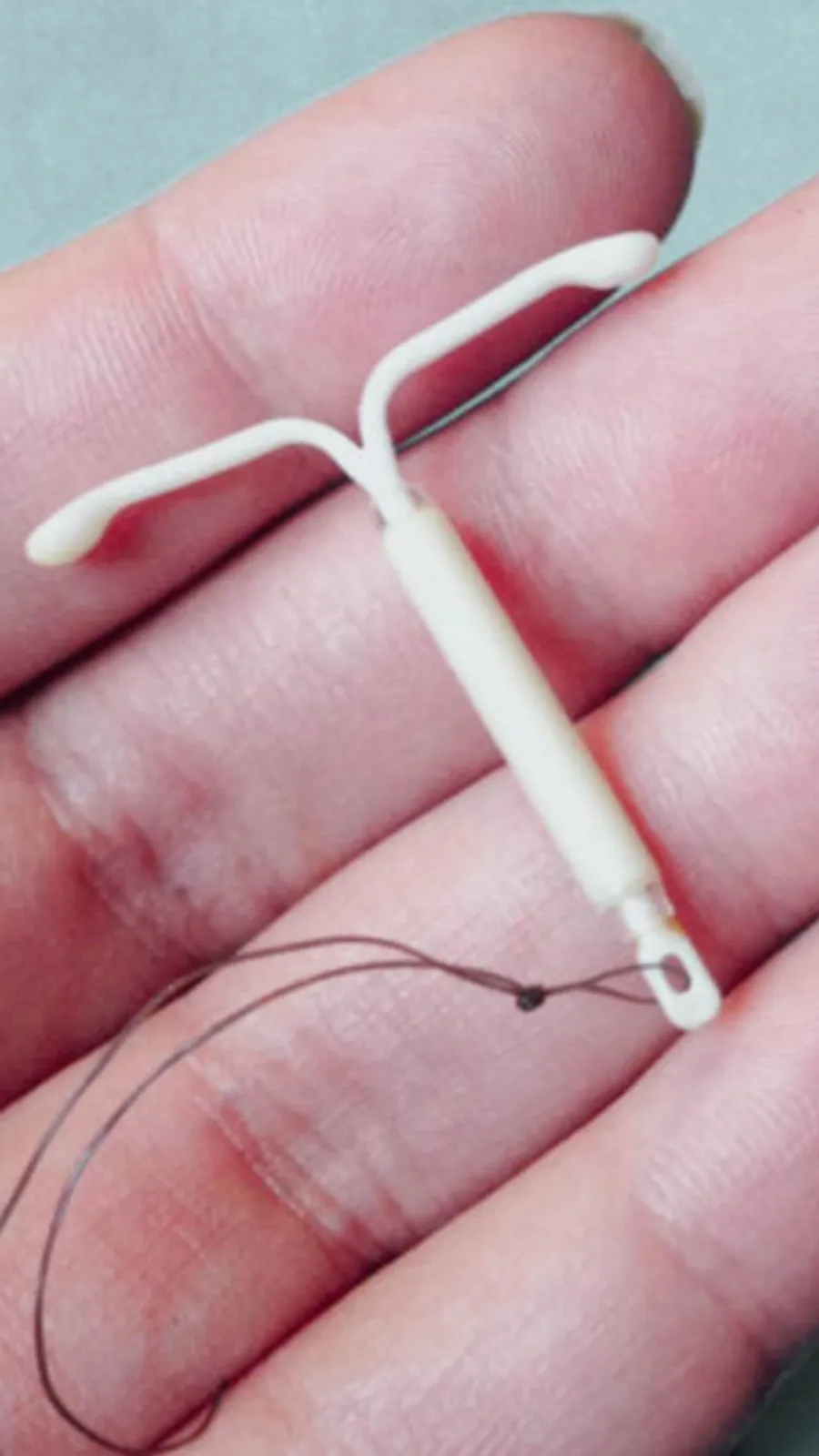
The Copper T, a hormone-free intrauterine device (IUD), is a long-term and highly effective contraceptive method. While it is designed to provide protection for several years, some women may need or want to have it removed earlier due to personal preference, side effects, health changes, or a desire to conceive. Opting for Copper T in Abu Dhabi ensures professional removal and guidance. Understanding how soon Copper T can be removed safely, what to expect during removal, and the considerations involved is essential for maintaining reproductive health and ensuring a smooth transition afterward. This article explores the removal process, safety considerations, and frequently asked questions about Copper T removal.
Understanding Copper T Removal
Copper T removal is a straightforward procedure that should always be performed by a trained healthcare professional. The device has thin strings that extend into the vagina, which the provider uses to gently pull the IUD out of the uterus. Removal is usually quick, minimally invasive, and completed in a few minutes.
Timing of Removal
Copper T can be removed at any time once it is in place. Unlike hormonal IUDs that have specific duration limits, Copper T is effective for anywhere from 5 to 10 years depending on the model. However, it can be removed safely before this duration if needed.
Reasons for early removal may include:
- Personal decision to stop using contraception
- Planning pregnancy
- Experiencing discomfort, bleeding, or cramping
- Health conditions or medical advice
There is no requirement to wait for a certain number of months or years before removal—safety is not compromised by early extraction, provided the procedure is performed correctly.
What to Expect During Copper T Removal
The removal process is simple and generally well tolerated, though some women experience mild discomfort:
- Preparation: The healthcare provider may ask you to empty your bladder and lie on an examination table.
- Procedure: Using a speculum to view the cervix, the provider gently grasps the strings of the IUD and pulls it out of the uterus.
- Duration: The entire process usually takes only a few minutes.
- Sensation: Some women feel mild cramping or a brief pulling sensation, similar to menstrual cramps.
Unlike insertion, no anesthesia is typically required for removal, though mild pain relief may be offered if needed.
Safety Considerations
Copper T removal is generally safe for all women, but there are a few considerations to ensure safety and minimize discomfort:
- Professional removal: Attempting to remove the IUD yourself is dangerous and can lead to injury, bleeding, or infection.
- Uterine position: The uterus should be in a normal position; abnormal positioning may require additional care during removal.
- Infection prevention: The provider will follow sterile procedures to prevent infection during removal.
- String visibility: If the strings are not visible, the provider may need to use specialized tools to locate and remove the device safely.
With these precautions, removal is straightforward and associated with minimal risk.
Fertility After Removal
One of the advantages of Copper T is that it does not affect long-term fertility. Once removed:
- Fertility typically returns almost immediately, often within the first menstrual cycle.
- There is no need to wait or recover before attempting conception.
- Ovulation resumes naturally because Copper T does not alter hormonal cycles.
This reversibility makes Copper T an attractive option for women who may want children in the future.
Managing Symptoms After Removal
Some women experience minor symptoms after Copper T removal, which usually resolve quickly:
- Mild cramping: Temporary uterine contractions may occur as the uterus readjusts.
- Spotting or light bleeding: Brief spotting is normal in the days following removal.
- Return of natural menstruation: Your normal cycle resumes, which may involve changes in flow or cramping initially.
Most women do not require special treatment, but over-the-counter pain relief can help with cramping if necessary.
Situations That May Require Special Attention
While Copper T removal is generally safe, certain conditions may require additional medical consideration:
- Pregnancy or suspected pregnancy: Removal during pregnancy is generally not recommended unless advised by a healthcare provider.
- Pelvic infections: Any active infection should be treated before removal to prevent complications.
- Uterine abnormalities: Fibroids, scar tissue, or unusual uterine shapes may require specialized removal techniques.
- Broken or missing strings: If the strings are not visible or the device is damaged, imaging or specialized instruments may be necessary for safe extraction.
Professional evaluation ensures that removal is safe and complications are minimized.
Frequently Asked Questions About Copper T Removal
Can Copper T be removed at any time of the month?
Yes. Unlike hormonal methods that require timing considerations, Copper T can be removed safely at any point in the menstrual cycle. Some providers prefer removal during menstruation because the cervix may be slightly more open, but this is not mandatory.
Is removal painful?
Most women experience only mild cramping or pulling sensations. Pain is usually brief and manageable with over-the-counter pain relief if necessary.
How long does it take to recover?
Recovery is immediate. Women can resume normal activities right after removal, and menstrual cycles typically resume normally within a few weeks.
Can I get pregnant immediately after removal?
Yes. Fertility returns almost immediately, so conception is possible in the first cycle after removal.
What if the Copper T strings are missing?
If strings are not visible, a healthcare provider may use imaging (ultrasound) or specialized instruments to locate and safely remove the device.
Conclusion
Copper T can be removed safely at any time, whether it is before the recommended 5–10 year duration or when the device reaches the end of its effective lifespan. Removal is quick, minimally invasive, and performed by a trained healthcare provider. The procedure allows fertility to return almost immediately, making Copper T a flexible and reversible contraceptive option.
With proper professional guidance, women can transition from Copper T to other contraceptive methods, plan pregnancy, or simply discontinue use with minimal discomfort and disruption to their reproductive health. Regular check-ups, attention to any unusual symptoms, and professional removal ensure that the process is safe and uncomplicated.
