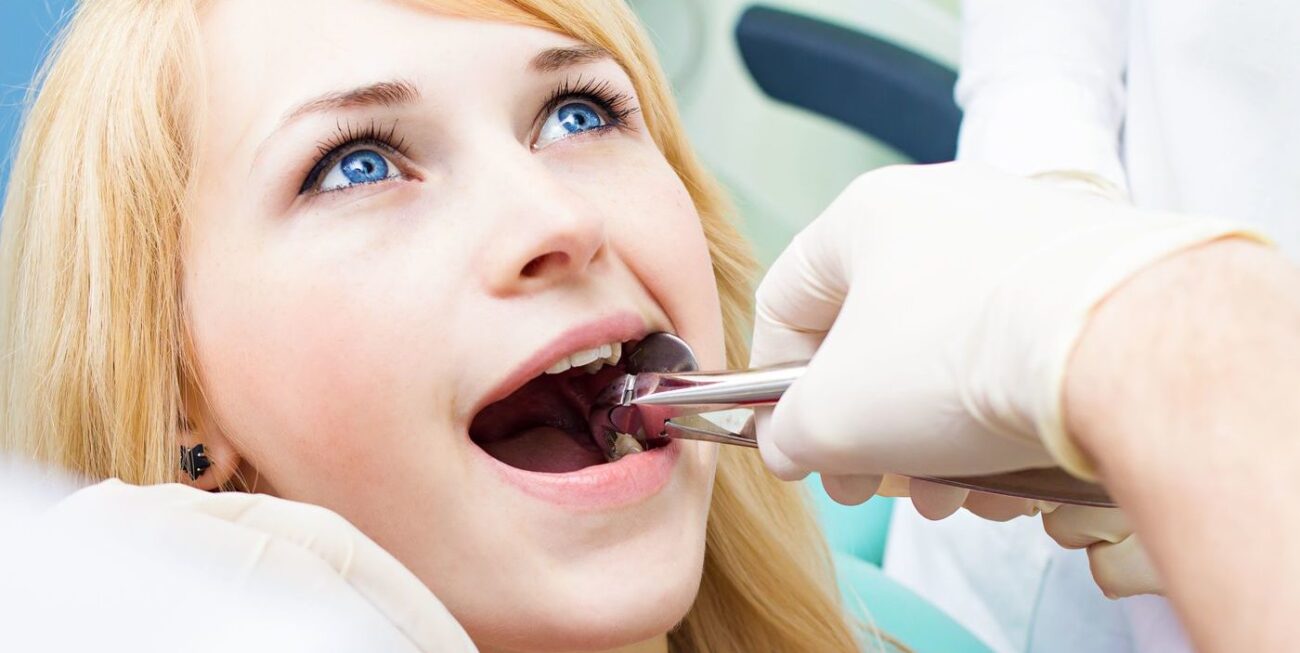
After a tooth removal, eating may seem like a simple task, but the timing and type of food are crucial for proper healing. Adults considering Tooth Removal in Abu Dhabi often wonder how quickly they can resume a normal diet and what precautions are necessary to avoid complications. Understanding what to eat and when helps prevent discomfort, supports healing, and protects the extraction site.
Immediate Hours After Tooth Removal
During the first few hours after extraction, eating solid foods is not recommended. The mouth is usually numb from anesthesia, and biting or chewing could cause accidental injury, such as biting the tongue or cheek.
Adults are typically advised to stick to cold or lukewarm liquids, such as water, broths, or smoothies. These provide hydration and minimal nutrition while avoiding disturbance to the blood clot that forms in the socket.
First 24 Hours
Within the first day, the focus is on gentle foods that do not require chewing. Soft options like yogurt, mashed potatoes, applesauce, and pudding are ideal.
Adults should avoid hot beverages or spicy foods that may irritate the extraction site. Sucking through a straw should also be avoided, as the suction can dislodge the blood clot and lead to a condition known as dry socket.
2–3 Days After Extraction
After the first 24–48 hours, some adults can begin to incorporate slightly thicker or more substantial soft foods. Examples include:
- Soft-cooked vegetables
- Scrambled eggs
- Oatmeal or soft cereals
- Soft pasta
Chewing should still be done carefully, avoiding the extraction site to prevent pressure on the healing tissue.
1 Week After Tooth Removal
By one week, most adults can gradually reintroduce firmer foods as the gum tissue begins to close over the socket. While slight tenderness may persist, normal eating is usually possible with caution.
Foods that were avoided initially, such as bread, rice, or lean meats, can be reintroduced slowly. Adults should continue to monitor the extraction site for any irritation.
Foods to Avoid During Early Healing
Certain foods and habits can interfere with healing and should be avoided during the first week:
- Hard, crunchy, or sticky foods
- Spicy or acidic foods that may irritate tissue
- Chewing directly on the extraction site
- Using straws or vigorous rinsing of the mouth
Adhering to these precautions helps protect the blood clot and supports a smoother recovery.
How Eating Affects Healing
Proper nutrition is important for recovery. Soft foods provide essential calories and nutrients without causing trauma to the extraction site. Staying hydrated and maintaining a balanced diet supports tissue repair and reduces the risk of complications.
Signs You Can Progress to Normal Foods
Adults can safely resume a more regular diet when:
- Swelling has subsided
- Soreness is minimal
- The extraction site feels stable when gently touched
- No bleeding occurs when chewing
Gradual progression allows the mouth to adjust while minimizing the risk of injury or delayed healing.
Frequently Asked Questions About Eating After Tooth Removal
Can I eat immediately after anesthesia wears off?
Soft foods and liquids are recommended initially. Avoid chewing near the extraction site until the area feels comfortable.
How long should I avoid hard foods?
Hard or crunchy foods should generally be avoided for at least one week, depending on the complexity of the extraction and comfort level.
Is it okay to eat cold foods?
Yes, cold foods like yogurt, ice cream, or smoothies are gentle on the extraction site and can also help reduce swelling.
When can I return to spicy or acidic foods?
Spicy or acidic foods should be reintroduced only after the site is mostly healed and no tenderness remains, usually after one to two weeks.
What happens if I eat too early or chew on the extraction site?
Eating too early or applying pressure can dislodge the blood clot, cause pain, or slow healing. In some cases, it may lead to dry socket, which prolongs recovery.
Conclusion
Eating after tooth removal requires a careful approach to support healing and prevent complications. Adults should start with soft, gentle foods and gradually reintroduce firmer foods as comfort allows. Following dietary precautions and listening to your body helps ensure a smooth recovery and reduces the risk of issues such as dry socket or prolonged soreness.
