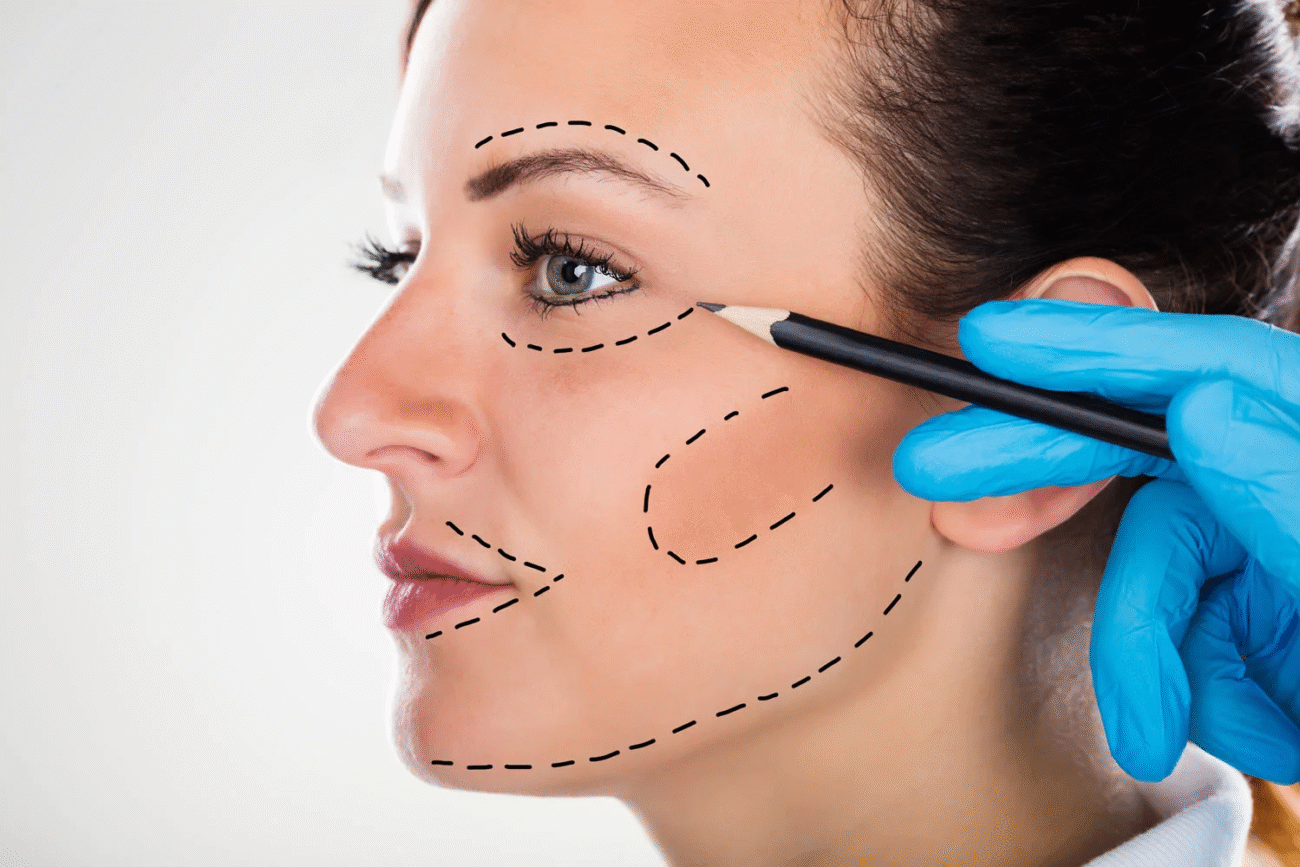
A facelift is a transformative procedure that restores youthful contours, lifts sagging tissues, and smooths facial lines. One of the most common questions people have before undergoing a Facelift Abu Dhabi is how quickly they will see visible results. The timeline for noticeable improvement depends on several factors, including the type of facelift, the techniques used, and individual healing characteristics.
Understanding the stages of recovery and what to expect can help manage expectations and provide a realistic perspective on when the full effects of a facelift will become apparent.
Immediate Appearance After Surgery
Immediately after a facelift, the face typically appears swollen and may have areas of bruising. The skin might feel tight, and some discomfort or stiffness is normal. Although the underlying lift has already been performed, swelling and tissue adjustment temporarily obscure the final results.
Incision sites are usually well-placed along natural facial creases, behind the ears, or in the hairline, which helps conceal early signs of surgery. While the initial appearance may feel unfamiliar, this stage represents the foundation for the lifted and rejuvenated look that will emerge over time.
First Week: Early Improvement
During the first week, swelling and bruising are often at their peak but gradually begin to reduce. Patients may notice subtle changes in facial contour, particularly around the jawline, cheeks, and mid-face regions. The face may feel tight, but this is a sign that tissues are settling into their lifted position.
Light daily activities can usually be resumed with caution, while more strenuous movements are generally avoided. Cold compresses and gentle support can help manage puffiness and promote comfort during this early stage.
Weeks Two to Four: Noticeable Changes
By the second and third weeks, swelling and bruising diminish significantly. Many patients begin to see noticeable improvement in lifted areas, smoother skin, and reduced sagging. Facial contours, especially in the mid-face and jawline, start to appear more defined.
During this phase, the majority of the initial discomfort resolves, and patients often feel more confident about their appearance. The skin begins to adapt to the repositioned tissues, creating a natural look rather than an overly tight or artificial appearance.
One to Three Months: Refinement Stage
From one to three months after a facelift, results become more refined and pronounced. Swelling continues to resolve, and facial tissues gradually soften into a natural, youthful contour. By this stage, most patients are able to see the true improvement in their facial shape, lifted cheeks, and smoother lines.
Collagen remodeling and tissue healing continue during this period, further enhancing skin firmness and facial structure. Many individuals find that subtle refinements in symmetry, volume, and contour appear as the face settles completely into its new position.
Long-Term Results: Six Months to a Year
The final results of a facelift generally become fully visible between six months and one year after surgery. At this point, swelling has fully resolved, tissues are completely healed, and skin has adapted to the lifted structure. The face appears naturally rejuvenated, with enhanced definition in the jawline, cheeks, and neck.
Long-term outcomes depend on factors such as skin quality, age, and lifestyle. While a facelift significantly improves facial contours and reduces sagging, the natural aging process continues. Maintenance strategies, including skincare and optional non-surgical enhancements, can help preserve the results over time.
Factors Affecting How Quickly Results Are Seen
Several factors influence the speed at which facelift results become visible. These include:
- Type of Facelift: Minimally invasive procedures may show quicker initial improvement, while more comprehensive facelifts require longer healing periods.
- Individual Healing Response: Age, skin quality, and overall health affect how rapidly tissues settle.
- Extent of Lifting and Volume Adjustment: Procedures that include fat repositioning or layered lifting may take longer for final results to appear, as swelling in deeper tissues resolves gradually.
- Lifestyle and Skin Care: Proper hydration, sun protection, and gentle skincare can support tissue recovery and enhance visible results.
Managing Expectations
Understanding the timeline of facelift results helps patients maintain realistic expectations. While some improvement is visible within the first few weeks, the full transformation requires patience as swelling resolves and tissues settle. Gradual changes contribute to a natural, balanced appearance rather than an abrupt, artificial look.
Maintaining a healthy lifestyle and supporting skin health can optimize the final results. Non-surgical treatments may complement the facelift by enhancing skin texture, stimulating collagen, and maintaining facial volume, helping the refreshed appearance last longer.
Frequently Asked Questions About Facelift Results
When can I expect to see noticeable changes?
Subtle improvements are often visible within the first week as swelling begins to decrease. More defined changes usually appear between two and four weeks.
How long until the final results are visible?
Final results typically emerge between six months and one year after the procedure, once swelling has completely resolved and tissues have fully healed.
Does swelling hide the results initially?
Yes, swelling and minor bruising can obscure early improvements, which is why patience is necessary during the first few weeks.
Do minimally invasive facelifts show faster results?
Minimally invasive procedures often have shorter recovery times and may show initial improvement sooner, but comprehensive lifting may still require months for the final outcome.
Can lifestyle affect how quickly results appear?
Yes, factors like hydration, sun protection, nutrition, and overall wellness can influence healing and help the facelift results emerge more effectively.
