

PRP (Platelet-Rich Plasma) hair treatment has gained popularity as a non-surgical approach to combat hair thinning and stimulate hair growth. PRP Hair Treatment Abu Dhabi is one such option that has drawn significant attention for its effectiveness. One of the most common questions for anyone considering this treatment is how quickly results can be observed. Understanding the timeline of PRP hair therapy helps set realistic expectations and encourages patience throughout the process.
How PRP Hair Treatment Works
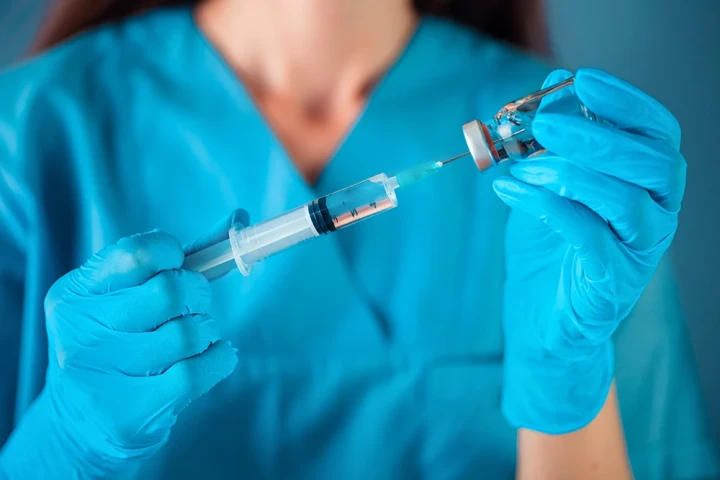
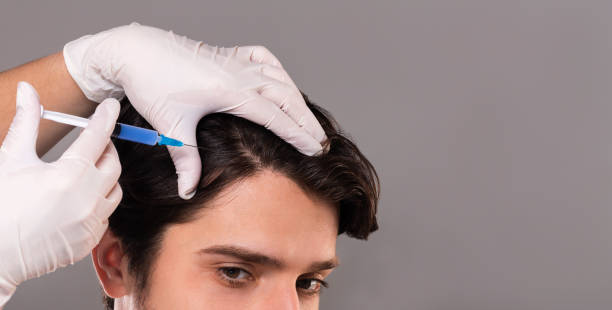
PRP hair treatment involves using a concentrated portion of platelets from the patient’s own blood. These platelets contain growth factors that help repair and regenerate tissues. When injected into the scalp, they interact with hair follicles to activate dormant follicles and strengthen existing hair strands.
The process is gradual because hair growth itself occurs in cycles. The treatment works by enhancing follicular activity and improving the scalp environment, which eventually supports thicker, healthier hair.
The Hair Growth Cycle and Its Role in PRP Results
Hair grows in three main phases: anagen (active growth), catagen (transition), and telogen (resting). The majority of visible hair is in the anagen phase, while some follicles remain dormant in telogen. PRP therapy helps encourage dormant follicles to enter the anagen phase and improves the overall efficiency of active follicles.
Because hair grows slowly and follicle activation takes time, immediate changes are rarely visible. Understanding this cycle is crucial to appreciating why PRP results develop over several weeks to months rather than instantly.
Early Signs of Improvement
Within the first few weeks after PRP sessions, subtle changes may start to appear. Some individuals notice a reduction in hair shedding, indicating that follicles are beginning to stabilize. Hair strands may feel slightly stronger and appear healthier.
These early signs can be encouraging, but it’s important to recognize that they are just the initial indicators of follicle activity. Visible hair regrowth usually requires ongoing treatment and patience.
Visible Hair Growth Timeline
Most individuals begin to see noticeable hair growth after about two to three months of consistent PRP therapy. During this period, new hair strands start to emerge from previously dormant follicles. Initially, these strands may be fine and soft, gradually thickening over time.
By the three- to six-month mark, improvements in hair density and overall scalp coverage become more apparent. With continued sessions, hair strands strengthen further, and previously thinning areas show visible progress.
Factors Affecting the Timeline of Results
The speed and extent of PRP results vary from person to person. Factors that influence the timeline include the individual’s age, the health of hair follicles, the degree of thinning, and genetic predisposition.
Lifestyle factors, such as nutrition, stress management, and scalp care, can also affect how quickly hair responds. Maintaining a healthy environment for hair follicles enhances the effectiveness of PRP and may lead to faster results.
The Role of Multiple Sessions
PRP hair treatment generally requires a series of sessions to achieve optimal results. Each session provides additional growth factor stimulation, which reinforces follicle activity and encourages consistent hair growth.
Skipping sessions or relying on a single treatment may delay visible improvements. Regularly scheduled sessions ensure cumulative benefits, leading to fuller, thicker hair over time.
Long-Term Results
While some early changes can be seen within a few weeks, significant and lasting results usually appear after several months of ongoing treatment. Over time, hair density improves, thinning areas become less noticeable, and hair strands gain strength and resilience.
Long-term commitment to the therapy, including maintenance sessions, helps preserve the improvements and prevents regression. Consistency is key to sustaining results and achieving natural-looking hair growth.
Monitoring Progress
Tracking changes in hair growth can help individuals understand how effectively PRP is working. Observing subtle changes, such as reduced shedding, thicker strands, or new hair emerging along thinning areas, provides insight into progress.
Photographs or scalp assessments over time can be useful tools for monitoring improvement. Regular evaluation ensures that treatment remains on track and allows adjustments to the schedule if necessary.
Setting Realistic Expectations
It is important to have realistic expectations regarding PRP hair treatment. While it stimulates natural hair growth and strengthens existing strands, results are gradual and cumulative. Initial improvements are subtle, and noticeable changes typically require several months of consistent therapy.
Understanding this timeline prevents disappointment and encourages adherence to the recommended treatment plan. Patience and consistency are essential for maximizing results.
Supporting Hair Growth Alongside PRP
Although PRP plays a central role in stimulating hair follicles, supporting hair growth through healthy habits can enhance outcomes. Proper nutrition, stress management, and gentle hair care routines contribute to stronger and healthier hair.
These supportive measures complement PRP therapy, ensuring that the scalp and follicles remain in an optimal state for growth. Combining PRP with good hair care practices maximizes the potential for visible and long-lasting results.
FAQs About Seeing Results From PRP Hair Treatment
How soon can I expect to see new hair growth?
Most individuals notice early improvements in hair strength and reduced shedding within the first few weeks. Visible new hair growth typically appears after two to three months, with more significant results by six months.
Does everyone respond at the same rate?
No, the timeline varies depending on age, hair condition, follicle health, and lifestyle factors. Some individuals may see faster results, while others may require additional sessions for noticeable improvement.
How many sessions are needed to see full results?
Multiple sessions are generally required to achieve optimal results. Each session builds upon previous ones to stimulate dormant follicles and strengthen existing hair strands.
Can PRP improve the thickness of existing hair?
Yes, PRP not only stimulates new hair growth but also enhances the strength and thickness of existing strands, leading to a fuller appearance over time.
Is it possible to speed up the results?
Maintaining a healthy scalp and hair care routine can support faster improvements, but patience is essential since hair growth is a gradual process influenced by the body’s natural cycles.
About the Author