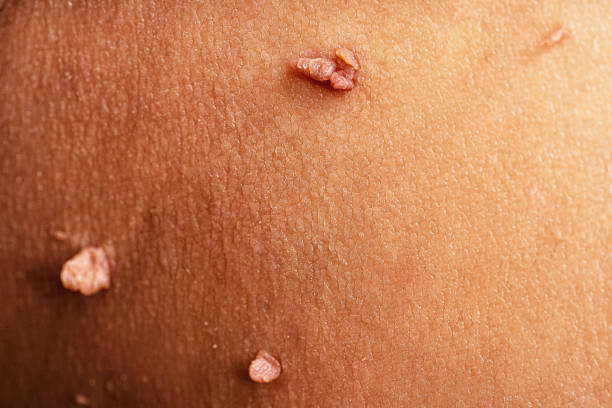
Warts are common skin growths caused by viral infections, and they can appear anywhere on the body. While many warts are harmless, they can be uncomfortable, unsightly, or prone to spreading. With multiple Warts Removal in Abu Dhabi options available, selecting the most suitable method can be confusing. Understanding the types of warts, treatment methods, and individual factors is essential for choosing the right approach.
Understanding the Nature of Warts
Warts develop when a virus infects the top layer of the skin, causing rapid cell growth. They vary in type, size, location, and depth, which directly influences how they should be treated. Knowing these characteristics helps in selecting the most effective and safe removal option.
Types of Warts
Common warts appear as rough, raised bumps, usually on hands or fingers. Plantar warts occur on the soles of the feet and can be deeper or more stubborn. Flat warts are smaller and smoother, often found on the face or legs. Filiform warts are thread-like and often grow on sensitive areas like the neck or face. Each type may respond differently to treatment methods.
Size and Depth
Small, surface-level warts are usually easier to treat, whereas larger or deeper warts may require more precise or intensive removal methods. The size and depth also influence the number of sessions required for complete clearance.
Non-Invasive Warts Removal Options
Non-invasive methods focus on gradual removal and minimal disruption to surrounding skin.
Topical Treatments
Topical solutions work by gradually breaking down the wart tissue. These are typically applied over several weeks and promote even skin regeneration. Non-invasive treatments are suitable for small or surface-level warts and are generally well-tolerated.
Cryotherapy (Freezing)
Cryotherapy uses controlled cold to destroy wart tissue. The treated area may darken and fall off within days to weeks. Multiple sessions may be needed, especially for larger warts. This method targets the wart without broadly affecting surrounding skin, making it a popular non-invasive choice.
Minimally Invasive Warts Removal Options
For stubborn, larger, or deeper warts, minimally invasive methods provide faster and more precise results.
Laser Treatment
Laser removal targets the wart tissue with focused energy. It can reach deeper layers of skin and is effective for warts that are resistant to non-invasive approaches. Laser treatment promotes regeneration while preserving healthy surrounding skin.
Electrosurgery or Minor Excision
These methods remove wart tissue directly using heat or precise cutting. They are particularly suitable for large or stubborn warts. The precision ensures minimal impact on surrounding skin and allows controlled healing.
Factors to Consider When Choosing a Removal Option
Selecting the right option depends on multiple personal and wart-specific factors.
Location of the Wart
Sensitive areas like the face, neck, or soles of the feet may require gentle or highly precise methods to avoid trauma and support smooth healing.
Size and Depth
Small surface-level warts can often be managed with non-invasive methods, while deeper or larger warts may require laser or minor excision for complete removal.
Skin Sensitivity
Sensitive skin benefits from methods that minimize disruption, such as topical treatments or carefully controlled laser removal. Preserving surrounding skin helps maintain even texture and reduces recovery time.
Age of the Individual
Children and individuals with delicate skin may respond better to gentler, non-invasive methods, while adults may tolerate more intensive approaches if needed.
Desired Speed of Results
Non-invasive methods often take longer to show results but are gentler. Minimally invasive methods can remove warts more quickly but may require careful healing afterward.
Supporting Long-Term Success
The effectiveness of wart removal depends not only on the method chosen but also on post-treatment care and skin regeneration.
Allow Time for Healing
Giving the skin adequate time to regenerate ensures smooth texture and structural integrity, reducing the chance of recurrence.
Protect the Treated Area
Minimizing friction, pressure, or injury during healing helps maintain strong, regenerated skin.
Monitor for Recurrence
Observing the area after removal allows for early detection and management of any new growth, supporting long-term results.
FAQs About Choosing Wart Removal Options
How do I know which method is right for my wart?
Consider the type, size, depth, and location of the wart, along with your skin sensitivity and desired speed of results. Matching these factors with the appropriate method ensures effective removal.
Are non-invasive methods suitable for all warts?
Non-invasive methods work best for small, surface-level warts. Larger or deeper warts may require minimally invasive approaches for complete removal.
Can minimally invasive methods be used on sensitive skin?
Yes, techniques like precision laser removal are designed to minimize impact on surrounding skin while targeting the wart.
How long does it take to see results?
The timeline depends on the method and the wart’s characteristics. Non-invasive methods may take several weeks, while minimally invasive techniques can produce immediate removal of visible wart tissue.
Is follow-up care necessary?
Yes, observing the treated area and supporting natural healing helps reduce recurrence and promotes smooth skin regeneration.
Can children undergo all removal methods?
Most methods can be adapted for children. Non-invasive approaches are typically preferred, but precise minimally invasive techniques may be used if necessary, with careful monitoring.
Conclusion
Choosing the right wart removal option requires understanding the type, size, depth, and location of the wart, as well as individual skin sensitivity and personal preferences. Non-invasive methods are gentle and effective for smaller warts, while minimally invasive techniques offer faster and more precise removal for stubborn or larger warts. Supporting natural skin regeneration, protecting the treated area, and monitoring for recurrence all contribute to lasting results. By carefully considering these factors, individuals can select a wart removal approach that is safe, effective, and aligned with their goals for comfort and smooth, healthy skin.
