



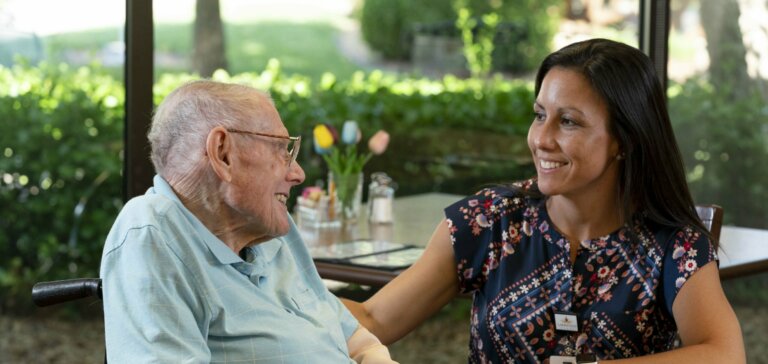
senior transitional care
Discharge day can feel a bit like being pushed out of a moving car. One minute, your loved one is on monitors with nurses nearby. The next minute, you are holding a stack of papers and being told they are “ready to go.” If home feels like too big a leap, you probably start searching for a senior transitional care facility that can bridge the gap.
That search can be overwhelming. Every brochure promises expert rehab, caring staff, and comfortable rooms. The photos all look pleasant. Yet you know that what happens between those photos and the fine print is what really matters. You want a place where your loved one will be safe, supported, and seen as a person, not a bed number.
To get there, you need more than a quick tour. You need a simple way to evaluate what you are seeing and hearing. Here are the key areas to focus on so you can choose a facility with more confidence and less guesswork.
Start With Safety And Staff
Begin by asking practical questions. How many staff members are on each shift? How many residents are they caring for? What kind of training do aides and nurses receive for post-hospital recovery? You are trying to understand whether there are enough hands and enough skill to meet the needs of people who are still healing.
As you walk through, notice whether the staff seem rushed or calm. Do they greet residents by name? Do call lights ring for long periods or get answered promptly? A good senior transitional care facility will have a rhythm that feels busy but not frantic. Residents should look clean, reasonably groomed, and relaxed, not abandoned in hallways or slumped in wheelchairs without attention.
Look at the physical space too. Are floors and bathrooms set up for walkers and wheelchairs? Are handrails available? Is the lighting bright enough to move safely? These small details add up to fewer falls and fewer scares for everyone.
Ask About Therapy And Medical Oversight
Recovery after a hospital stay often depends on therapy. Ask how often physical, occupational, or speech therapists see residents. Are sessions daily, a few times a week, or “as needed.” Who decides when therapy goals have been met? You want a clear plan, not vague promises that someone will “check in.”
Medical oversight matters as well. Is there a nurse on site at all times? How often does a doctor or nurse practitioner visit? What is the process if your loved one’s condition changes at night or on a weekend? A solid senior transitional care facility will have clear answers and be willing to explain them in everyday language.
Some families prefer smaller, home-like communities such as SilverMaple Assisted Living, where transitional care is coordinated with outside therapists and nurses but delivered in a gentler environment. In that model, the focus is on steady support with extra medical expertise brought in as needed. The key is that someone owns the big picture of your loved one’s recovery, not just scattered tasks.
Pay Attention To Communication And Culture
How the facility talks with you is a major clue about how they will talk with your loved one. Do they listen to your concerns or brush them aside? Do they explain things clearly or hide behind jargon? Ask how often families receive updates and whether care conferences are held to review progress and plans.
Culture shows up in small moments. Watch how staff respond when a resident is confused or upset. Are they patient and reassuring, or irritated and abrupt? Notice whether residents seem engaged with each other or isolated in their rooms. A healthy culture treats elders with patience, humor, and respect, even when days are hectic.
In values-guided places like SilverMaple Assisted Living, you might also notice spiritual or emotional support woven into the daily routine. That can include prayer for those who want it, quiet conversation for those who need to process fear, and a general sense that each person’s story matters. Those intangibles can make a big difference when someone is recovering from a serious illness.
Look For A Plan, Not Just A Bed
Finally, ask one crucial question: “If my loved one comes here, what will the plan look like from the first day to the last.” A thoughtful senior transitional care facility will talk about assessments, goal setting, daily routines, and discharge planning. They will describe how they prepare people to go home or move to the next level of care.
If the answers are vague or rushed, take that as a warning sign. You are not just placing someone in a bed. You are entrusting them to a team that should know where they are going, not just where they are staying. A clear plan means fewer surprises, fewer avoidable setbacks, and a smoother transition when this short chapter ends.
Choosing a senior transitional care facility will never feel completely easy. The circumstances are too tender for that. But by focusing on safety, staffing, therapy, communication, and overall culture, you can see past the marketing language and into the real heart of a place. When what you see lines up with what your loved one needs, you will know you are as close to the right fit as anyone can be in an imperfect world.
Improve XML Workflow Efficiency with Online Tools
Melbet Promo Code 2026: LUX888 – New Accounts
Scissor Lift Table Manufacturers: A Complete Guide to Smart Material Handling Solutions
Why Graphically Is Perfect for Startups Needing Consistent Design
Understanding Refusal Charges in New Jersey: A Separate Offense
About the Author