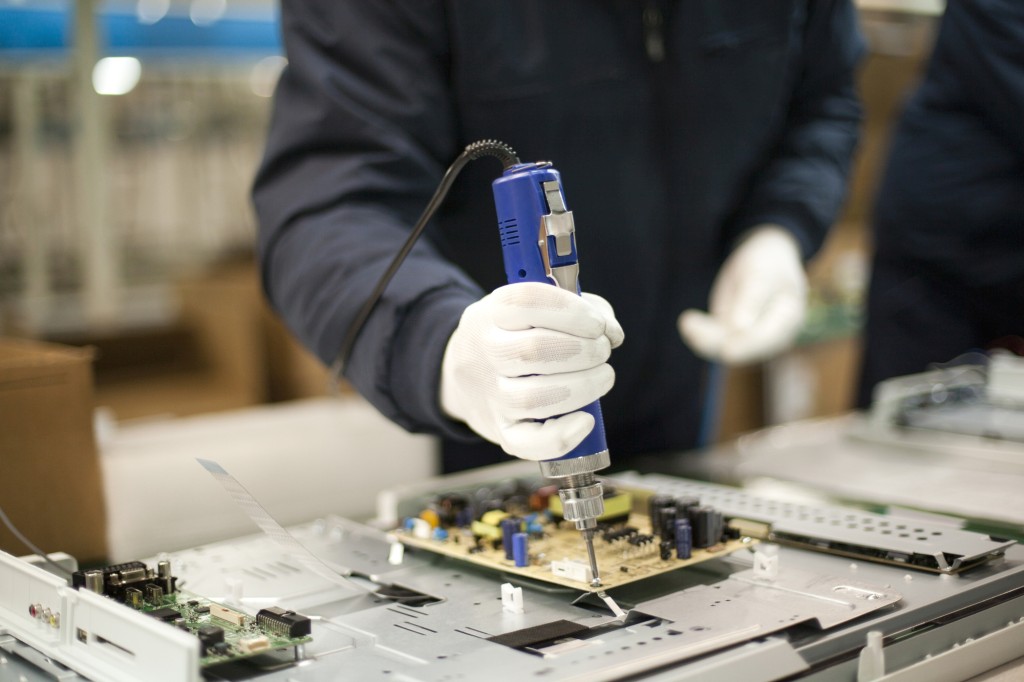
So, how do you get something prototype manufactured? Sounds easy when you speed talk. Really it’s quite a messy, sometimes slow, process filled with many tiny decisions which you will slip up on if you aren’t attentive. I’ve seen too many potentially great products fall by the way because somebody didn’t get what goes on between your sketch and the thing in front of you.
Industrial design isn’t just about making something look cool. It’s about making something real. Tangible. Something you can hold, break, improve, and eventually sell. And that bridge? That’s the prototype.
Let’s walk through it properly. Not the polished version you read in textbooks. The real version.
Understanding What a Prototype Actually Is
A lot of people jump into prototyping thinking it’s just one step. Like, you design something, then you “make a prototype,” and boom, done. Not even close.
A prototype can be rough. Ugly even. Sometimes it’s just foam glued together. Other times it’s a near-final version that looks ready for store shelves. Both count. It depends on what you’re trying to test.
Early prototypes are about learning. Does the size feel right? Does it even work? Later ones are about refinement. Fit, finish, durability. You’ll probably go through several versions before you land somewhere usable.
So if you’re wondering how to get a prototype manufactured, the first answer is this: decide what kind of prototype you actually need. Otherwise you’ll waste time, money, and patience.
Starting with a Clear Design (Even If It’s Not Perfect)
Before anything gets manufactured, you need something to work from. That usually means CAD files. 3D models. Technical drawings if you’re going more traditional.
Now here’s the thing — your design doesn’t need to be perfect. It won’t be. But it does need to be clear enough that someone else can understand it. Manufacturers aren’t mind readers. If your file is messy, your prototype will be messy too.
I’ve seen people overthink this stage and delay for months. Don’t. Get it to a workable point. Clean, but not obsessive. You’ll refine later anyway.
Choosing the Right Prototyping Method
This is where things start branching out. There’s no single way to manufacture a prototype, and honestly, picking the wrong method early can cost you.
3D printing is usually the go-to. It’s fast, relatively cheap, and great for early testing. But it’s not always strong, and surface finish can be rough unless you pay extra or post-process it.
CNC machining is more precise. Better materials too. Feels closer to a real product. But it costs more, and lead times can stretch depending on complexity.
Then there’s injection molding for high-fidelity prototypes, though that’s expensive upfront. Not something you jump into unless you’re pretty confident in your design.
So yeah, when thinking about how to get a prototype manufactured, you’re really deciding between speed, cost, and realism. You rarely get all three at once.
Finding a Manufacturer You Can Actually Work With
This part matters more than people admit. A good manufacturer doesn’t just make what you send. They question things. Suggest improvements. Catch mistakes before they become expensive problems.
You can find manufacturers online pretty easily now. Platforms, directories, referrals. But don’t just pick the cheapest quote. That’s a mistake beginners make almost every time.
Talk to them. Ask questions. See how they respond. If they’re vague or slow to reply, imagine what happens when something goes wrong mid-project.
Also, don’t be afraid to start small. A single prototype run. Test the relationship before scaling up. Trust builds slowly here.
Materials: Where Things Get Real
Materials change everything. Weight, strength, cost, feel. Even perception. A plastic prototype doesn’t communicate the same thing as a metal one, even if the design is identical.
This is where your design intent comes into play. What is this product supposed to be? Durable? Lightweight? Premium?
You might not use final production materials for early prototypes, and that’s fine. But at some point, you need to get close. Otherwise your testing isn’t realistic.
I’ve seen products fail late because the prototype didn’t reflect real-world conditions. It looked good, worked fine in theory, but the material choice changed everything once it scaled.
So don’t treat materials like an afterthought. They’re part of the design.
Iteration: The Part No One Likes but Everyone Needs
Here’s the truth. Your first prototype will be wrong. Maybe slightly wrong, maybe completely off. Doesn’t matter. It’s part of the process.
You test it. You learn. You fix things. Then you do it again.
Iteration feels slow, especially when you’re eager to launch. But skipping it is worse. Much worse. Fixing problems after manufacturing starts is expensive and stressful.
This is really the core of how to get a prototype manufactured. It’s not just making one thing. It’s making several, each one a little better than the last.
And yeah, it can be frustrating. But it works.
Costs: What to Expect (and What Surprises People)
Prototyping costs vary wildly. A simple 3D print might cost a few thousand rupees. A complex CNC part could run into lakhs. It depends on size, complexity, material, and method.
What surprises people is how quickly costs stack up with iteration. One prototype is affordable. Five? Not so much.
Shipping adds up too. Especially if you’re working with international manufacturers. Then there’s revisions, adjustments, sometimes rework.
Budget for more than you think you need. Seriously. Give yourself room to make mistakes. Because you will.
Communication Makes or Breaks the Process
You can have a great design and a skilled manufacturer, but if communication is off, things fall apart.
Be clear. Be specific. Over-explain if needed. Send reference images. Annotate your files. Don’t assume anything is “obvious.”
Time zones can slow things down, especially if you’re working globally. That’s normal. Build that into your expectations.
Also, document everything. Conversations, changes, approvals. It helps avoid confusion later, and trust me, confusion always shows up eventually.
Testing Your Prototype in the Real World
Once you finally have a physical prototype, don’t just admire it. Use it. Push it. Break it if you have to.
Real-world testing reveals things you won’t catch on a screen. Comfort issues. Weak points. Unexpected behavior.
Get feedback from others too. Not just your team. Fresh eyes see different problems.
This stage is where your idea starts becoming a product. Not perfect yet, but getting there.
Preparing for Manufacturing Beyond the Prototype
Here’s something people miss. A prototype isn’t the final step. It’s a checkpoint.
Just because your prototype works doesn’t mean it’s ready for mass production. Manufacturing at scale introduces new challenges. Tolerances, tooling, consistency.
You’ll likely need to adjust your design again. Simplify parts. Optimize for production efficiency.
This is where working with experienced partners helps. People who understand both prototyping and production.
Where a Product Launch Agency Fits In
Not everyone wants to handle all of this alone. And honestly, you don’t have to.
A product launch agency can step in and manage parts of the process. Design refinement, prototyping coordination, manufacturer sourcing, even go-to-market strategy.
They’re not magic, and they’re not cheap. But they can save time and prevent costly mistakes, especially if you’re new to this.
In conclusion, it’s worth saying this clearly: getting from idea to prototype is one thing, getting from prototype to market is another. That’s where a product launch agency can really make a difference.
Conclusion
Understanding how to build a prototype isn’t linear. It’s a cycle. Design, build, test, repeat. At times tedious, sometimes exhilarating and sometimes, pure madness-often all at once.
You’ll experience compromises: faster versus more expensive; and better quality versus more time. There are no ‘correct’ paths, only better decisions at each junction.
If you’re realistic, you communicate effectively and embrace that the cycle is all part of the process, you’ll get there-not as quickly as you hoped, but more quickly than attempting to skip steps.
And when the serious work starts, that’s when you begin to look at scaling, selling, and ultimately, when the services of a product launch agency seem a sensible solution. Mandatory, no; but helpful, undoubtedly.
Ultimately, prototypes are not simply a means to an end; they are a test. A testament that an idea can become a tangible entity.
