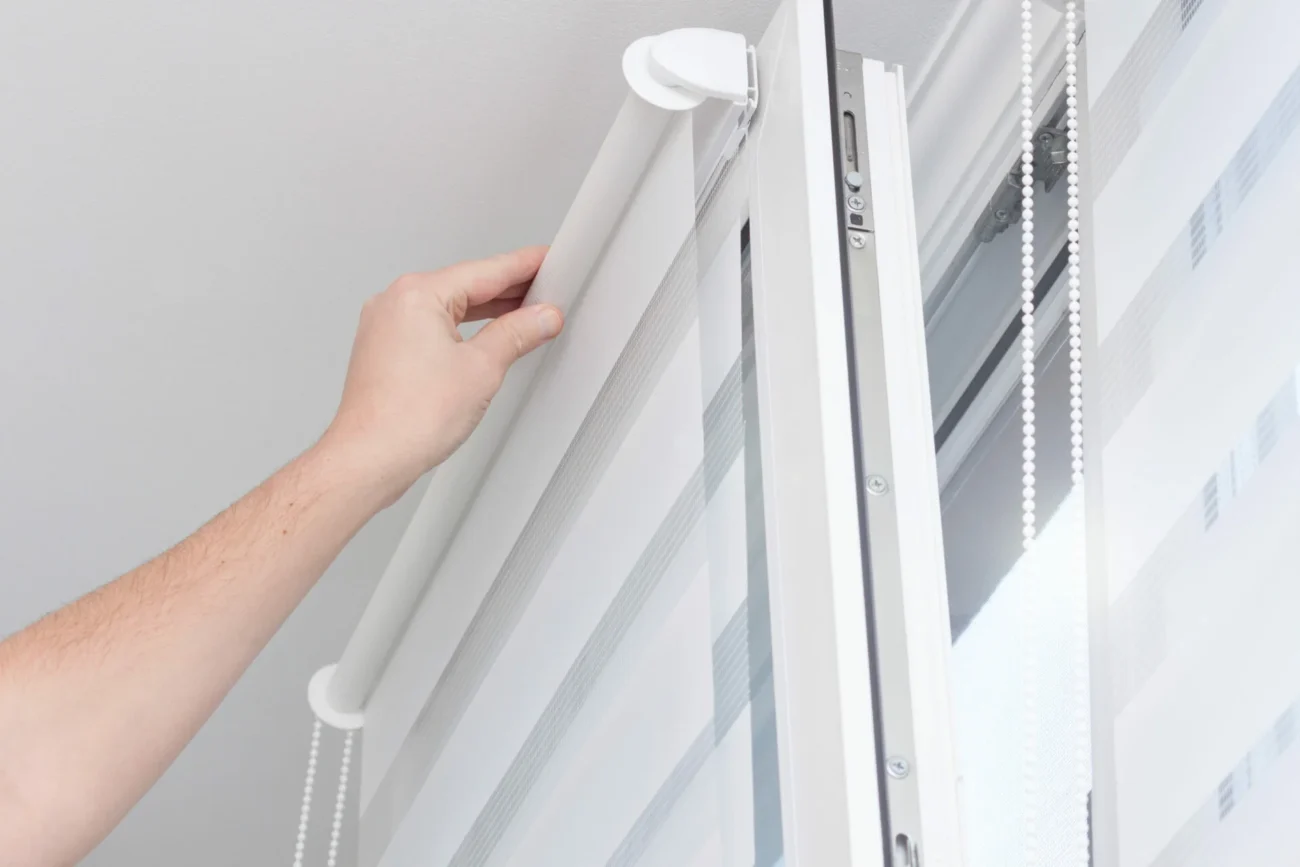
Install window blinds without drilling:
Installing window blinds is one of the simplest ways to enhance your home’s privacy, control light, and improve aesthetics. However, not everyone is comfortable drilling holes into their walls or window frames—especially if you are renting or want a damage-free installation. Fortunately, modern blind installation methods have evolved, allowing for the neat fitting of blinds without the need for drilling.
Why Avoid Drilling When Installing Blinds?
There are several reasons why homeowners and tenants prefer no-drill installations:
Damage-Free Installation:
Drilling can leave permanent marks, cracks, or holes that may be costly to repair, especially in rented homes.
Time Efficiency:
No-drill blinds take less time to install—most can be fitted in minutes.
Clean Aesthetic:
Avoiding screws and brackets helps maintain a sleek and minimalist window look.
Flexibility:
You can easily remove or reposition no-drill blinds without leaving any visible damage.
Tension Rod Blinds
One of the most effective and inexpensive ways to install blinds without drilling is by using tension rods. These rods are designed to fit snugly between two window frames using adjustable pressure.
How it works:
You extend the rod to the width of the window frame, then twist it to secure it in place. The tension keeps it securely in place. You can hang lightweight blinds, curtains, or sheer drapes on these rods.
Benefits:
- Quick to install or remove.
- Ideal for smaller windows or rental properties.
- No tools required.
Limitations:
- Not suitable for very heavy blinds.
- May slip if not properly secured or if used on uneven surfaces.
Magnetic Blinds
Magnetic blinds are a clever option for metal-framed windows. These blinds use powerful magnets to attach directly to the frame, eliminating the need for screws or adhesives.
How it works:
The blinds come with magnetic brackets that stick firmly to the metal surface. Once attached, you can easily hang the blind slats or fabric panels.
Benefits:
- Simple and reusable installation.
- Perfect for offices or metal-framed doors and windows.
- Clean and professional appearance.
Limitations:
- Only compatible with metal frames.
- Heavy blinds might weaken the magnetic hold over time.
Adhesive Hooks and Strips
Adhesive-based hooks or strips (like Command strips) are a popular no-drill solution. They come with strong sticky pads that can hold blinds in place without damaging paint or plaster.
How it works:
You attach the adhesive hooks or brackets to the top of your window frame or wall and mount the blinds onto them. When you need to remove them, they come off cleanly without leaving residue.
Benefits:
- Widely available and inexpensive.
- No special tools needed.
- Ideal for temporary setups.
Limitations:
- Not recommended for heavy blinds or humid areas.
- Adhesive strength may weaken over time, especially in sunlight.
Clip-On Blinds
Clip-on blinds, sometimes known as “no-screw blinds”, attach directly to the window frame using small clips. These are specifically designed for uPVC windows, which are commonly found in modern homes across the UK.
How it works:
The clips slide over the top of the window frame, and the blind’s headrail attaches securely to these clips.
Benefits:
- No drilling or adhesive required.
- Very sturdy and long-lasting.
- Professional-looking finish with minimal effort.
Limitations:
- Only compatible with uPVC or similar window types.
- May require accurate measurements before installation.
Velcro or Fabric Tape
If you’re looking for a soft and creative approach, Velcro tape can be used to hang fabric blinds or lightweight Roman shades.
How it works:
You stick one side of the Velcro tape to the top of the window frame and the other side to the back of the blind. The adhesive is strong enough to hold lightweight materials in place.
Benefits:
- Inexpensive and versatile.
- Great for lightweight or decorative blinds.
- Easy to remove or adjust.
Limitations:
- Not suitable for large or heavy blinds.
- Adhesive may lose strength in humid or dusty conditions.
Stick-On Roller Blinds
Stick-on roller blinds have become increasingly popular for their simplicity and style. They come with a self-adhesive backing that allows you to stick the blind headrail directly to your window or wall.
How it works:
You peel off the protective strip from the adhesive surface and press the roller blind into position.
Benefits:
- Professional and modern look.
- Available in blackout, thermal, and light-filtering options.
- No tools or brackets needed.
Limitations:
- Adhesive may weaken on textured or painted walls.
- Once removed, the adhesive might not be reusable.
Final Thoughts:
Installing window blinds without drilling is not only possible—it’s becoming a preferred choice for modern homeowners and renters. If you value flexibility, convenience, and a sleek look, no-drill blinds are worth considering. With the right type and careful installation, hiring a professional company like Carolina Blind, you can enjoy privacy, light control, and aesthetic appeal—without ever needing to pick up a drill.
Customer Engagement and Loyalty Software for Modern Brands
Customer Engagement and Loyalty Programs: Building Lasting Value
Customer Engagement Loyalty Programs for Lasting Brand Value
How to Identify Pocket Door Damage Before It Gets Worse
How Crypto Exchange Platforms Integrate API Systems for Trading Connectivity
