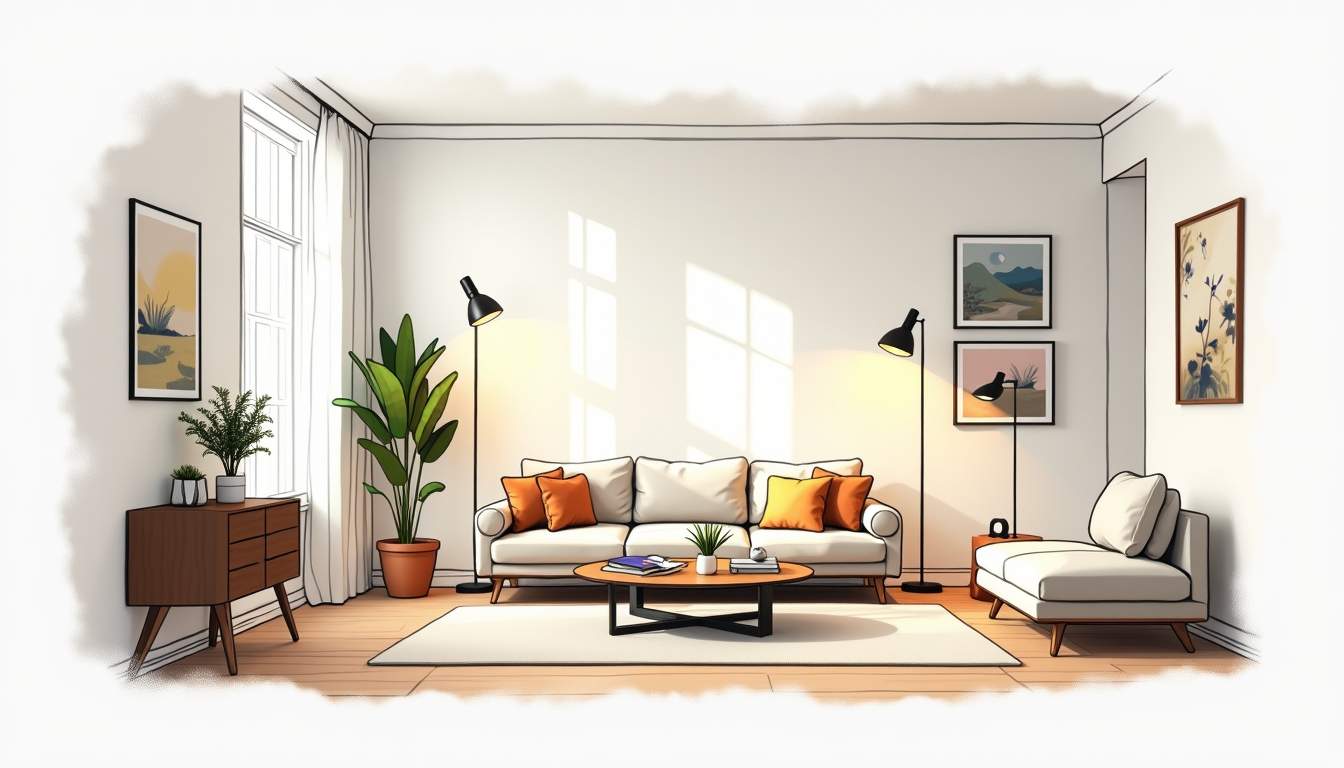
Lighting does more than just brighten a room-it shapes how you experience your space. When done right, it highlights your home’s best features, creates mood, and even makes everyday tasks easier. Two lighting styles that often get overlooked are task lighting and accent lighting. They’re powerful tools to elevate your home’s style without a complete overhaul.
Understanding Task Lighting: Function Meets Form
Task lighting is all about clarity and precision. It’s the focused light that helps you see exactly what you’re doing, whether you’re chopping vegetables, reading a book, or working on your laptop. Unlike general ambient lighting, which fills the room with a soft glow, task lighting zeroes in on specific areas to reduce eye strain and improve functionality.
Think of the kitchen. Overhead lights provide general illumination, but a bright, adjustable light above the counter or stove makes cooking safer and more enjoyable. In a home office, a desk lamp with a flexible arm ensures your workspace is well-lit without casting shadows on your documents. This targeted illumination not only enhances visibility but also boosts productivity, allowing you to focus on the task at hand without distraction.
Moreover, task lighting can be a game-changer for hobbies and crafts. Whether you’re painting, sewing, or assembling intricate models, having the right light can significantly impact the quality of your work. A well-placed lamp can reveal details and colors that might otherwise go unnoticed, making your creative endeavors more enjoyable and successful.
Choosing the Right Task Lighting Fixtures
When selecting task lighting, consider the activity and the space. Adjustable desk lamps, under-cabinet lights, pendant lights over kitchen islands, and wall-mounted reading lights are all excellent options. Look for fixtures that offer brightness control or dimming features, so you can tailor the light to your needs. Additionally, LED options are becoming increasingly popular due to their energy efficiency and longevity, making them a smart choice for both the environment and your wallet.
Materials and design also matter. Sleek metal finishes can add a modern touch, while warm-toned lampshades create a cozy atmosphere. The key is to blend functionality with style, so your task lighting complements your decor instead of sticking out like a sore thumb. Vintage-inspired fixtures can evoke nostalgia, while minimalist designs cater to contemporary tastes, allowing you to express your personal style while enhancing the utility of your space. For expert guidance and professional installation, you can visit Electrician Singapore.
Placement Tips for Effective Task Lighting
Proper placement is crucial. For reading or desk work, position the light source to the side opposite your dominant hand to avoid casting shadows. In the kitchen, under-cabinet lights should be installed directly above countertops to illuminate your workspace clearly. Adjustable fixtures allow you to direct light exactly where it’s needed, enhancing both comfort and efficiency. Additionally, consider the height of your fixtures; a light that’s too high may not provide adequate illumination, while one that’s too low can create glare and discomfort.
In living spaces, task lighting can also be strategically placed to create inviting nooks for relaxation or study. A well-lit corner with a comfortable chair and a small side table can become your favorite reading spot, while a bright light over a game table can encourage family game nights. By thoughtfully integrating task lighting into your home, you can create functional spaces that cater to your lifestyle while enhancing the overall ambiance of your environment.
Accent Lighting: Highlighting What Matters Most
Accent lighting is the secret weapon for adding depth and drama to your home. It’s used to spotlight architectural features, artwork, plants, or any element you want to draw attention to. This type of lighting creates visual interest by introducing layers and contrast, making your space feel dynamic and curated.
Imagine a living room where a well-placed spotlight brings a stunning painting to life, or a hallway where recessed lights subtly illuminate a textured wall. Accent lighting can transform ordinary spaces into gallery-like environments. The right lighting can evoke emotions and set the mood, whether it’s a cozy nook for reading or an elegant dining area for entertaining guests. By strategically placing accent lights, you can guide the eye through your space, creating a journey of discovery that highlights your home’s unique character.
Types of Accent Lighting Fixtures
Track lights, recessed spotlights, wall sconces, and picture lights are popular choices for accent lighting. Each offers different effects: track lights are versatile and adjustable, recessed lights are sleek and unobtrusive, while wall sconces add decorative flair along with illumination. Additionally, floor lamps with adjustable heads can serve as an excellent alternative for accent lighting, allowing you to direct light exactly where you need it without the need for permanent installation.
When selecting fixtures, think about the size and scale of the object you want to highlight. A small sculpture might need a focused beam from a picture light, while a large wall mural benefits from multiple recessed spotlights spaced evenly. Consider also the color temperature of your bulbs; warmer tones can create a more inviting atmosphere, while cooler tones can enhance the vibrancy of colors in artwork or decor. The interplay of light and shadow can dramatically affect how a space feels, so take the time to experiment with different setups to find what works best for your aesthetic.
How to Layer Accent Lighting for Maximum Impact
Layering accent lights creates a rich visual tapestry. Combine different fixtures at varying heights and angles to avoid flat, one-dimensional lighting. For example, pair a wall sconce with a spotlight to add both ambient glow and focused illumination. This layering technique adds sophistication and depth to your design. Furthermore, consider incorporating dimmers to give you control over the intensity of your accent lighting, allowing you to adjust the ambiance according to the time of day or occasion.
In addition to traditional fixtures, integrating LED strip lights can offer a modern twist to your accent lighting strategy. These flexible lights can be placed under shelves, along staircases, or even behind furniture to create a halo effect that enhances the overall aesthetic of your space. By thoughtfully layering these various sources of light, you can craft an inviting atmosphere that not only highlights your favorite features but also makes every corner of your home feel warm and welcoming.
Combining Task and Accent Lighting for a Cohesive Look
Using task and accent lighting together can dramatically enhance both the style and functionality of your home. The trick is balance. Task lighting ensures practical needs are met, while accent lighting adds personality and charm.
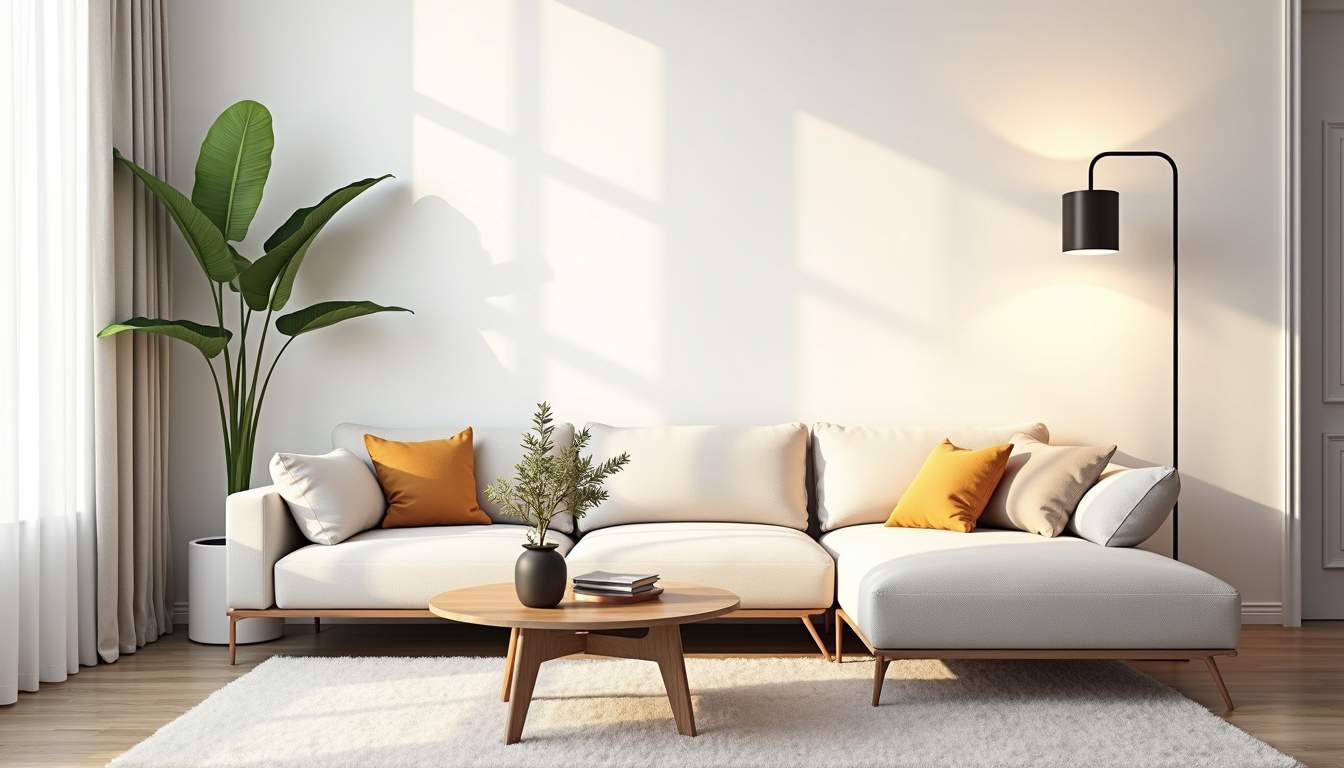
In a dining room, for instance, a pendant light over the table serves as task lighting, providing enough brightness for meals. Meanwhile, accent lights can highlight a buffet cabinet or artwork on the walls, enriching the room’s ambiance without overwhelming it. This combination not only elevates the aesthetic appeal of the space but also creates a welcoming atmosphere for family gatherings and dinner parties, where the interplay of light can set the mood for conversation and connection.
Creating Zones with Lighting
Think of your rooms as collections of zones, each with its own purpose and lighting needs. A reading nook requires bright task lighting, while a nearby display shelf might benefit from subtle accent lighting. By defining these zones, you can layer lights to suit each activity and aesthetic goal. For example, in a home office, a desk lamp can provide focused light for work tasks, while wall sconces can offer a warm glow for relaxation during breaks, creating a balanced environment that promotes productivity and comfort.
Using dimmers and smart lighting controls helps adjust the intensity and mood throughout the day. Morning light might be bright and energizing, while evening light can be softer and more relaxing. Additionally, incorporating color temperature variations can further enhance the experience; cooler tones can invigorate your space during the day, while warmer hues can create a cozy retreat at night. This thoughtful approach to lighting not only enhances functionality but also allows you to express your personal style, making each zone feel uniquely tailored to your lifestyle and preferences.
Practical Tips for Upgrading Your Home’s Lighting
Ready to revamp your lighting? Start small. Swap out a single fixture or add a lamp to a dark corner. Notice how it changes the feel of the room. Gradually build your lighting scheme by mixing task and accent lights to suit your lifestyle.
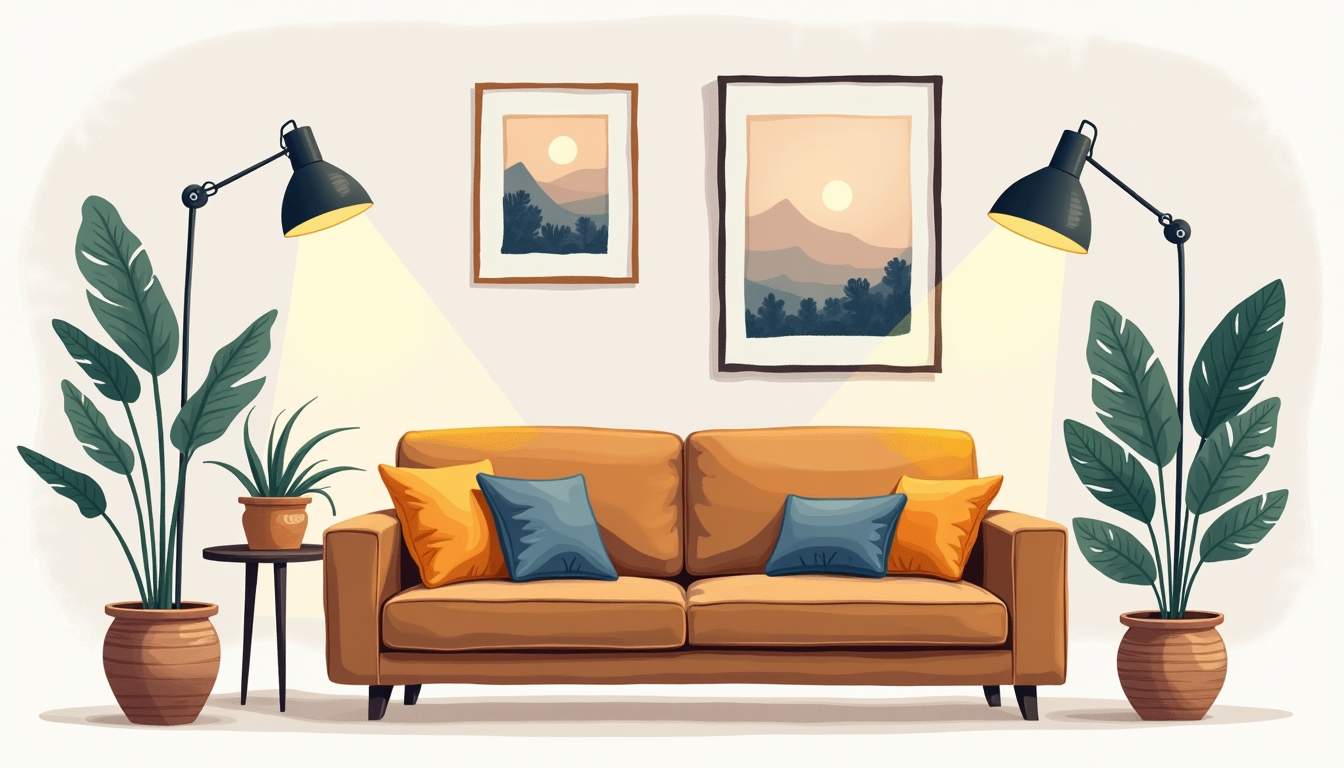
Consider Color Temperature and Bulb Type
Light color affects mood and style. Warm white bulbs (2700K-3000K) create a cozy, inviting atmosphere, perfect for living rooms and bedrooms. Cooler white bulbs (3500K-4100K) offer crisp, clear light suited for kitchens and workspaces. LED bulbs are energy-efficient and come in a variety of color temperatures, making them ideal for layering task and accent lighting.
Don’t Forget About Style and Scale
Lighting fixtures are design elements in their own right. Choose styles that complement your home’s decor-whether that’s sleek and modern, rustic and vintage, or somewhere in between. Scale matters too; oversized fixtures can overwhelm a small room, while tiny lights might get lost in a large space.
Hire a Professional if Needed
If you’re unsure about wiring, placement, or fixture compatibility, consulting a lighting designer or electrician can save time and headaches. They can help you create a lighting plan that’s both beautiful and safe.
Final Thoughts
Task and accent lighting aren’t just practical necessities-they’re opportunities to express your style and make your home truly your own. Thoughtful lighting design adds layers, highlights your favorite features, and creates an inviting atmosphere that welcomes you and your guests.
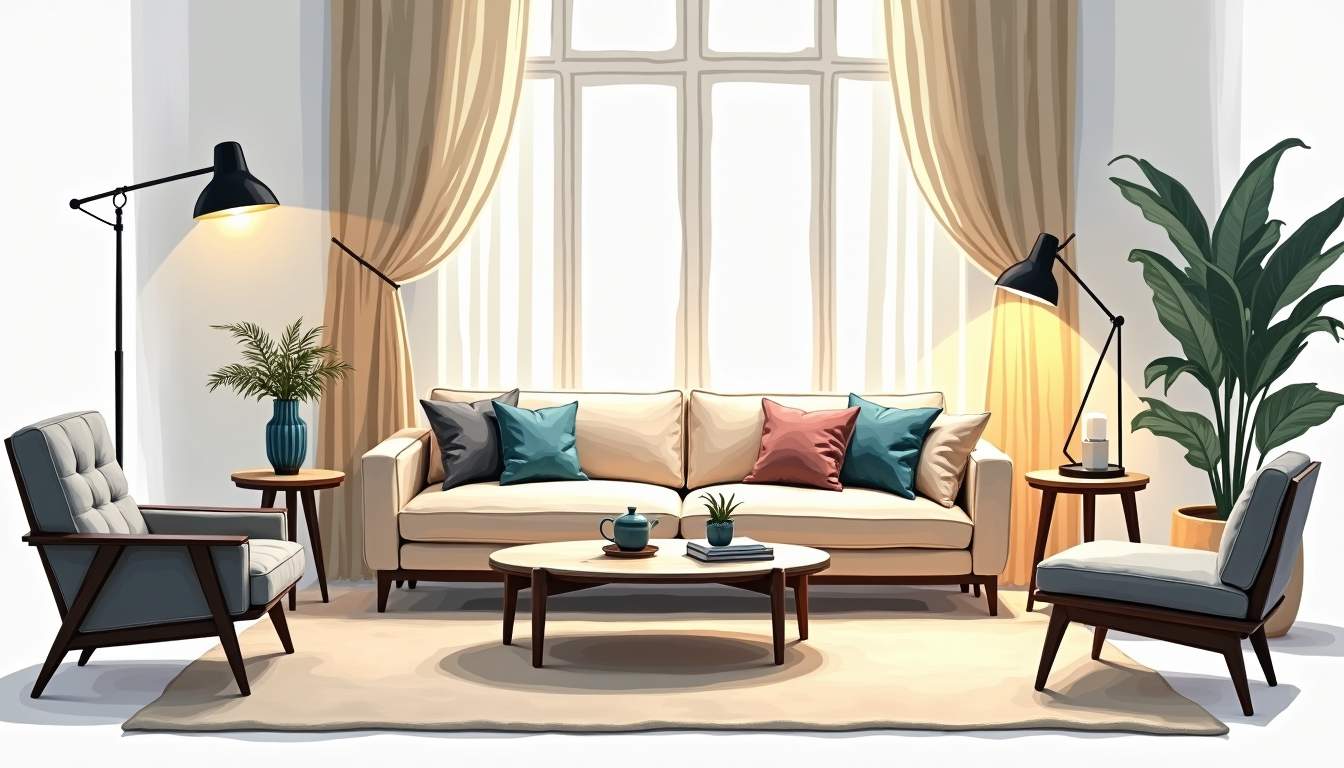
Experiment with different fixtures, placements, and intensities. Watch how light transforms your space, turning everyday moments into something special.
