

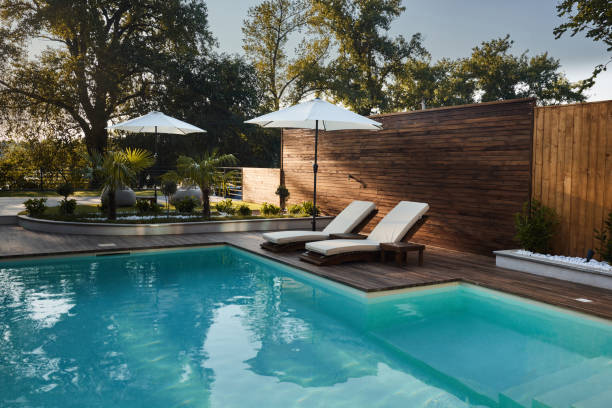
Pool decks and driveways are integral parts of our outdoor spaces, providing not only functional pathways but also adding to the aesthetic appeal of a property. These areas are exposed to various weather conditions throughout the year, which can significantly impact their longevity, appearance, and overall maintenance needs. Understanding how different weather conditions affect pool deck and driveway pavers is essential for homeowners, contractors, and designers alike. This article explores the impact of different weather conditions on these surfaces and offers practical solutions for maintenance and protection.
1. The Impact of Rain on Pool Deck and Driveway Pavers
Rain is a common weather condition that can affect pool decks and driveways, especially in regions with frequent or heavy rainfall. The most immediate concern during a rainstorm is water pooling on the surface of the pavers. While most pavers are designed to allow water to drain through gaps between them, excessive water accumulation can cause problems.
Water Damage and Erosion:
When rainwater collects on the surface of pool decks and driveways, it can seep into the gaps between the pavers. Over time, repeated exposure to moisture can cause the foundation beneath the pavers to erode, leading to uneven surfaces. In some cases, this can also cause the pavers to shift or settle, which can create an uneven surface that’s not only unsightly but also hazardous. During a Swimming Pool Renovation, contractors often address drainage issues to prevent such pooling problems and ensure the longevity of the outdoor surface.
Mold and Mildew Growth:
High humidity combined with stagnant water on the pavers creates an ideal environment for mold and mildew to thrive. These fungi can form in the small gaps between the pavers or on the surface itself, which not only affects the look of your pool deck or driveway but can also pose health risks. For pool decks, mold can be particularly concerning as it can make the area slippery and dangerous for swimmers or visitors.
Solution: Regularly cleaning the pavers and applying a sealer that prevents water from penetrating the surface can help mitigate the negative effects of rain. Also, ensuring proper drainage and ensuring the pavers are installed correctly with a solid foundation can prevent water from pooling.
2. The Effects of Sun Exposure
Sun exposure can have a significant impact on pool deck and driveway pavers, especially in regions with long, hot summers or those located in sunny climates. The constant exposure to UV rays can cause several issues that degrade the appearance and durability of the pavers.
Fading and Discoloration:
One of the most noticeable effects of sun exposure is the fading or discoloration of the pavers. Natural stone, brick, and even concrete pavers can lose their vibrancy over time when exposed to constant sunlight. This is especially true for pavers made from materials that are more susceptible to UV degradation.
Cracking and Expansion:
High heat can cause materials like concrete and stone to expand and contract. When the temperature rises, the pavers expand, and when the temperature drops, they contract. Over time, this constant cycle of expansion and contraction can lead to cracking, especially in areas with drastic temperature changes. This can become a critical concern during a Swimming Pool Renovation, where the aesthetic quality of the pool area plays an important role in the overall design.
Solution: To combat the effects of sun exposure, homeowners can invest in UV-resistant pavers or apply a protective sealer that helps prevent fading. Regular sealing also protects the surface from heat-related cracking by creating a barrier that reduces moisture infiltration.
3. Freezing Temperatures and Winter Weather
In colder climates, freezing temperatures and winter weather can have a profound effect on pool decks and driveway pavers. When water seeps into the small gaps between the pavers, it can freeze and expand, causing the pavers to shift or crack.
Freeze-Thaw Cycle:
The freeze-thaw cycle is one of the most damaging effects of cold weather on pool deck and driveway pavers. As water freezes, it expands, which can exert pressure on the pavers and their foundation. When the ice thaws, the water contracts, which creates movement and shifts the pavers. Over time, this cycle can cause pavers to crack, lift, or become uneven.
Salt Damage:
In regions that experience snow and ice, homeowners often use salt to melt the ice on their driveways and pool decks. While this is effective for keeping the surfaces clear, salt can also be corrosive. Over time, repeated exposure to salt can cause the pavers to deteriorate, leaving them more vulnerable to cracking and chipping.
Solution: To protect your pavers from the freeze-thaw cycle, it’s important to ensure they are properly sealed and that the foundation is solid. Avoid using harsh chemicals like salt, and instead, opt for sand or other ice-melting alternatives. If salt is used, make sure to rinse the area thoroughly after each use.
4. Wind and Storms
Wind and storms can also have an impact on the condition of pool deck and driveway pavers, particularly in areas prone to heavy storms or hurricanes. High winds can cause debris such as branches, leaves, and dirt to accumulate on the surface of the pavers. This debris can not only cause surface discoloration but also lead to the growth of mold and algae.
Impact of Flying Debris:
During storms or high winds, flying debris can scratch or chip the surface of pavers. This is especially a concern for softer materials like limestone or sandstone. Additionally, if a large object like a tree branch or a patio umbrella is blown onto the pavers, it can cause significant damage. Pool builders in Jupiter, who are familiar with the challenges posed by storms, often recommend using protective covers or installing impact-resistant pavers to minimize such risks.
Solution: Regular cleaning and removing debris from the pool deck and driveway can help preserve the pavers. Installing windbreaks or planting trees strategically can reduce the amount of debris that accumulates on the pavers. Also, using protective covers or safety barriers during storms can reduce the risk of damage.
5. Humidity and Moisture
In humid environments, moisture is a constant factor that can affect the integrity of pool decks and driveway pavers. Excessive moisture can cause a host of issues, from staining and discoloration to long-term deterioration.
Moisture Penetration:
Moisture can seep into pavers, particularly in climates with high humidity or heavy rainfall. This moisture can weaken the foundation beneath the pavers, leading to shifting or uneven surfaces. In addition, the presence of moisture can encourage the growth of algae, mould, and mildew, which can make the surface slippery and unsafe.
Solution: Applying a moisture-resistant sealer can prevent water from penetrating the pavers and help protect them from the damaging effects of humidity. Additionally, installing a proper drainage system to direct excess water away from the surface is essential for preventing long-term damage.
Conclusion
Weather conditions play a significant role in the maintenance and longevity of pool deck and driveway pavers. Rain, sun, freezing temperatures, and humidity can all contribute to damage over time if proper precautions are not taken. To protect these surfaces, homeowners should invest in quality materials, ensure proper installation, and apply protective sealers to prevent damage from weather conditions. Regular maintenance, such as cleaning and resealing, can also go a long way in extending the life of your pool deck and driveway pavers, keeping them looking their best for years to come.
By understanding the effects of weather on your outdoor surfaces and taking the necessary steps to protect them, you can ensure that your pool deck and driveway continue to enhance your property’s value and kerb appeal, no matter the weather. Whether you’re undertaking a swimming pool renovation or planning to install a new driveway, considering the effects of weather on the pavers is crucial for long-term durability and beauty.
Internal Caulking Services Explained: Protecting Skirting Boards and Interiors
Top Qualities of a Professional Salesforce Service Provider
What Factors Determine the Price of Hajj/Umrah Packages?
Affordable storage units versus premium full-service options
How Accurate Bookkeeping Helps Nonprofits Achieve Their Mission
About the Author