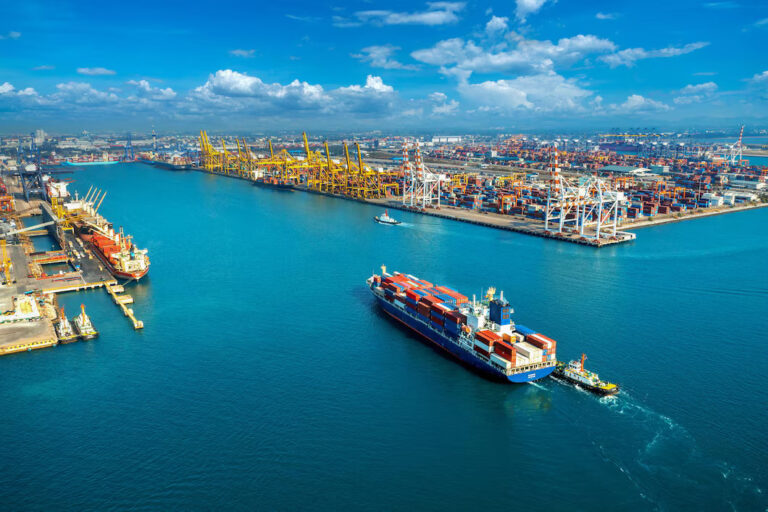




Indonesia Barge Fleet Market
Indonesia Barge Fleet Market Outlook
According to the report by Expert Market Research (EMR), the Indonesia barge fleet market attained a value of USD 1.33 billion in 2024. Aided by the growing demand for efficient marine transportation solutions, expansion in commodity exports, and the increasing need for cost-effective bulk cargo movement across the archipelago, the Indonesia barge fleet market size is projected to grow at a CAGR of 4.70% during 2025–2034, reaching approximately USD 2.11 billion by 2034.
Indonesia, being the world’s largest archipelago with more than 17,000 islands, relies heavily on marine transportation for inter-island logistics and commodity movement. Barges—flat-bottomed vessels designed for carrying bulk materials—play a vital role in sectors such as mining, agriculture, construction, and oil and gas. Because they offer large cargo capacity, low fuel consumption, and affordability, barges are preferred for transporting coal, sand, timber, palm oil, clinker, and other bulk goods. As Indonesia continues to strengthen its maritime infrastructure and export capabilities, the barge fleet market is expected to witness steady expansion over the forecast period.
Indonesia Barge Fleet Market Size and Share
With a market value of USD 1.33 billion in 2024, the Indonesia barge fleet market forms an integral component of the country’s maritime logistics ecosystem. Barges with capacities ranging from 180 to 300 feet dominate the fleet due to their suitability for coal and mineral transport, which comprises the largest share of marine cargo movement.
Coal transportation accounts for the biggest market share, given Indonesia’s position as one of the world’s top coal exporters. Inland waterways and coastal routes are heavily utilised for delivering coal from mining regions—especially Kalimantan and Sumatra—to domestic power plants, processing units, and export terminals. Palm oil and agricultural commodity transport also contribute significantly, particularly from Sumatra and Borneo.
Regionally, Kalimantan holds the largest share in the barge fleet industry, owing to its extensive coal mining activities and river-based logistic routes. Sumatra follows, supported by palm oil production and mineral exports. Eastern Indonesia, although less developed, is gradually emerging as a prospective market with growing infrastructure and mining activities.
Large logistics firms, mining companies, and independent barge operators dominate the competitive landscape. Many operators own both barges and tugboats, allowing integrated transportation services and better operational control.
Get a Free Sample Report with Table of Contents@ https://www.expertmarketresearch.com/reports/indonesia-barge-fleet-market/requestsample
Indonesia Barge Fleet Market Trends
Several emerging trends are influencing the growth and dynamics of the Indonesia barge fleet market:
- Growth in Coal and Mineral Transport:
Despite global shifts toward renewable energy, coal remains a crucial export commodity for Indonesia, supporting high demand for barge-based transport. - Increasing Inter-Island Cargo Movement:
Indonesia’s economic expansion and infrastructure development are driving demand for barges to transport construction materials, machinery, and raw materials across islands. - Rising Adoption of Larger and More Efficient Barges:
Operators are increasingly investing in higher-capacity barges to achieve economies of scale and reduce operational costs. - Technology Adoption in Fleet Management:
Digital navigation, GPS tracking, and real-time monitoring systems are being integrated to improve route optimisation and enhance operational safety. - Growth of Palm Oil and Agricultural Shipments:
The continuous expansion of Indonesia’s palm oil industry is boosting barge usage for transporting crude palm oil, kernels, and biomass residue. - Shift Toward Environmentally Friendly Operations:
New regulations promoting cleaner fuel options, emissions control, and modernised fleet designs are gradually reshaping barge operations. - Expansion of Maritime Infrastructure and Port Facilities:
Investments in new ports, dredging activities, and channel deepening projects are improving barge navigability and supporting fleet expansion.
Drivers of Growth
The Indonesia barge fleet market is supported by a robust set of growth drivers, including:
- Strong Demand for Bulk Commodity Transportation:
Industries such as mining, agriculture, and construction rely heavily on barges to move large volumes of raw materials efficiently and economically. - Geographical Advantage of the Archipelago:
With extensive river systems and coastal waterways, Indonesia naturally depends on marine logistics, giving barges a critical role in national supply chains. - Coal Export Growth and Domestic Energy Demand:
Indonesia’s coal exports to countries such as China, India, and Southeast Asia continue to expand, directly increasing barge utilisation. - Development of Marine Highways (Tol Laut Program):
Government initiatives aimed at enhancing inter-island connectivity are promoting large-scale use of barges for cargo transportation. - Cost-Effective Transport Compared to Alternative Modes:
Barges offer lower operational costs and fuel consumption compared to trucks or railways, making them ideal for bulk movement. - Expansion of Domestic Manufacturing and Infrastructure Construction:
Growing infrastructure projects require steady movement of cement, sand, steel, and aggregates—materials commonly transported by barges. - Rising Use of Barges in Oil & Gas Logistics:
Offshore and onshore oil activities require barges for transporting equipment, drilling supplies, and hydrocarbons.
Indonesia Barge Fleet Market Segmentation
The market can be divided based on type, tonnage capacity, application and region.
Market Breakup by Type
- Open Barge
- Covered Barge
Market Breakup by Tonnage Capacity
- 3000 Tonne
- 5000 Tonne
- 8000 Tonne
- 10,000 Tonne
- 12,500 Tonne
Market Breakup by Application
- Coal and Crude Petroleum Products
- Agricultural Products
- Coke and Refined Petroleum Products
- Chemical and Petrochemical
- Food Products, Beverages, and Tobacco
Market Breakup by Region
- Capital Area (Jakarta)
- Northeast Coast of Sumatra
- Southern Ports
- Northern Shores of Java
- Western End of Surabaya
Competitive Landscape
Some of the major players explored in the report by Expert Market Research are as follows:
- Habco Indonesia
- GAC Indonesia Shipping
- Gurita Lintas Samudera
- PT Pelayaran Nasional Bina Buana Raya Tbk
- PT Sillo Maritime Perdana TBK
- Others
Challenges and Opportunities
Challenges
- Dependence on Coal Market Fluctuations:
Since coal transport constitutes a major share of barge usage, fluctuations in global coal demand affect fleet utilisation rates. - Weather and Navigational Challenges:
Seasonal monsoons, high waves, and shallow riverbeds can disrupt operations and affect transport timelines. - Regulatory Compliance and Safety Standards:
Increasingly stringent maritime regulations require continuous investments in safety upgrades and vessel maintenance. - High Initial Investment Costs:
Building or acquiring barges and tugboats requires significant capital, limiting entry for smaller operators. - Aging Fleet:
A considerable portion of the current fleet consists of older vessels requiring frequent repairs and upgrades.
Opportunities
- Growth in Mineral and Agricultural Exports:
As Indonesia expands its export base, the demand for barge transportation will continue to rise. - Development of New Industrial Zones:
New manufacturing centres and mining locations create opportunities for fleet expansion and route diversification. - Increasing Adoption of Solar and LNG-Powered Vessels:
Eco-friendly vessel technologies present strong opportunities for modernising the fleet and reducing emissions. - Rising Inter-Island Connectivity Projects:
Investment in maritime infrastructure will improve navigation routes and support larger cargo capacity. - Opportunity in Fleet Modernisation:
Upgrading older barges with digital technologies and efficient engines will enhance competitiveness and meet regulatory demands.
Indonesia Barge Fleet Market Forecast (2025–2034)
Supported by the growth of Indonesia’s mining activities, expansion in inter-island trade, and increasing adoption of technologically advanced maritime logistics solutions, the Indonesia barge fleet market is poised for steady growth. The market is projected to expand at a CAGR of 4.70% during 2025–2034, with the market value reaching approximately USD 2.11 billion by 2034.
The future of the market will be shaped by developments in renewable energy exports, sustainable fleet operations, and digital transformation. As Indonesia continues to invest in maritime infrastructure and enhance its role as a global logistics hub, the barge fleet industry will remain a crucial component in supporting the nation’s economic growth and international trade dynamics.
Media Contact:
Company Name: Claight Corporation
Email: sales@expertmarketresearch.com
Toll Free Number: +1-415-325-5166 | +44-702-402-5790
Address: 30 North Gould Street, Sheridan, WY 82801, USA
Website: https://www.expertmarketresearch.com
About the Author