When the summer heat starts to climb, a reliable air conditioner becomes more than just a luxury—it’s a necessity. But what happens when your trusted cooling system begins to falter? If your air conditioner is showing signs of aging or malfunction, you might find yourself wondering: is it worth repairing an old air conditioner, or is it time to invest in a new one?
This question isn’t as straightforward as it might seem. Many factors come into play, from the age and condition of the unit to the cost of repairs and the potential savings a new system might offer. This article explores these considerations in depth, helping you make an informed decision that balances comfort, cost, and efficiency.
Understanding the Lifespan of Air Conditioners
Before deciding whether to repair or replace your air conditioner, it’s important to understand how long these systems typically last. Most central air conditioning units have an average lifespan of 10 to 15 years. Window units and portable air conditioners generally have shorter lifespans, often around 8 to 10 years.
As air conditioners age, their efficiency tends to decline. Components wear out, refrigerant levels may drop, and newer models often come with advanced technology that can significantly reduce energy consumption. Recognizing where your unit falls within this lifespan range is a crucial first step in evaluating repair versus replacement. To learn more about professional air conditioning solutions, visit SoCool through the following link: https://www.socool.sg/
Signs Your Air Conditioner Is Aging
Some common signs that your air conditioner is nearing the end of its useful life include:
- Frequent Breakdowns: If you find yourself calling for repairs multiple times a year, the cost and inconvenience can quickly add up.
- Rising Energy Bills: Older units often consume more electricity, leading to noticeably higher utility bills.
- Inconsistent Cooling: Rooms may not cool evenly, or the system might struggle to reach the desired temperature.
- Excessive Noise: Loud or unusual sounds can indicate worn-out parts or mechanical issues.
When these signs become apparent, it’s a good idea to evaluate the condition of your air conditioner more closely.
Cost Considerations: Repair vs. Replacement
One of the most important factors in deciding whether to repair or replace an old air conditioner is the cost. It’s tempting to opt for repairs to save money upfront, but sometimes replacement can be more economical in the long run.
Calculating Repair Costs
Repairs can range from minor fixes, such as replacing a thermostat or cleaning coils, to major repairs like compressor replacement or fixing refrigerant leaks. Minor repairs might cost a few hundred dollars, while major repairs can easily exceed $1,000.
It’s essential to get a detailed estimate from a qualified HVAC technician. They can diagnose the problem and provide a clear picture of what repairs are needed and how much they will cost.
When Repair Costs Exceed 50% of Replacement
A common rule of thumb in the HVAC industry is that if the cost of repairs exceeds 50% of the price of a new air conditioner, replacement is usually the better option. For example, if repairing your unit will cost $800 and a new system costs $1,500, you might want to consider investing in a new air conditioner instead.
This is especially true if your current unit is over 10 years old. Newer models often come with improved energy efficiency, better warranties, and enhanced features that can provide greater comfort and savings over time.
Energy Efficiency and Environmental Impact
Energy efficiency is a key consideration when deciding whether to repair or replace an air conditioner. Older units tend to be less efficient, meaning they consume more electricity to cool your home.
Benefits of Upgrading to a New, Efficient Model
Modern air conditioners are designed with energy-saving technologies such as variable-speed compressors, smart thermostats, and environmentally friendly refrigerants. These advancements can reduce your energy consumption by 20% to 50%, depending on the model and your usage patterns.
Lower energy consumption not only means reduced utility bills but also a smaller carbon footprint. For environmentally conscious homeowners, upgrading to a high-efficiency air conditioner can be a significant step toward sustainability.
Environmental Concerns with Older Units
Older air conditioners often use refrigerants like R-22 (Freon), which have been phased out due to their harmful effects on the ozone layer. Repairing a unit that requires R-22 can be expensive because the refrigerant is scarce and costly.
New air conditioners use more eco-friendly refrigerants such as R-410A, which have less environmental impact. Switching to a new system can help reduce your household’s contribution to ozone depletion and greenhouse gas emissions.
Assessing the Condition of Your Current Air Conditioner
Beyond age and cost, the overall condition of your air conditioner plays a major role in deciding whether to repair or replace it. A thorough inspection by a professional technician can uncover hidden issues and help you understand the health of your system.
Key Components to Evaluate
- Compressor: The heart of the air conditioner, responsible for circulating refrigerant. Compressor repairs or replacements are often costly and may justify replacement of the entire unit.
- Evaporator and Condenser Coils: These can become dirty or damaged, reducing efficiency. Cleaning or minor repairs are usually affordable, but severe damage may require replacement.
- Electrical Components: Faulty wiring or capacitors can cause system failures. These parts are typically inexpensive to replace.
- Ductwork: Leaky or poorly insulated ducts can reduce cooling efficiency. Sometimes duct repairs can improve performance without replacing the air conditioner.
Frequency of Repairs
If your air conditioner has needed multiple repairs in the past year or two, it’s a strong indicator that the system is nearing the end of its useful life. Frequent breakdowns not only add up financially but also disrupt your comfort.
Comfort and Performance Expectations
Another important factor is how well your current air conditioner meets your comfort needs. Even if your unit is still functional, it might not be delivering the performance you expect.
Improved Features in New Models
New air conditioners often come with features that enhance comfort and convenience, such as:
- Variable-Speed Compressors: These adjust cooling output to maintain consistent temperatures and reduce energy use.
- Smart Thermostats: Allow remote control and programmable settings, optimizing cooling schedules.
- Quieter Operation: Modern units are designed to operate more quietly, reducing noise pollution in your home.
If your old air conditioner struggles to maintain even temperatures, or if you find it noisy and inconvenient, upgrading may significantly improve your home environment.
Environmental and Financial Incentives
When considering replacement, it’s worth exploring available incentives that can offset the cost of a new air conditioner.
Rebates and Tax Credits
Many local utilities and government programs offer rebates or tax credits for installing energy-efficient HVAC systems. These incentives can reduce the upfront cost and improve the return on investment.
Before purchasing a new unit, check with your local energy provider or government websites to see what programs are available in your area.
Long-Term Savings
While a new air conditioner may require a larger initial investment, the energy savings over time can be substantial. Efficient models use less electricity, which means lower monthly bills and a faster payback period.
Additionally, new units typically come with warranties that cover parts and labor for several years, providing peace of mind and reducing unexpected expenses.
When Repairing Makes Sense
Despite the many benefits of replacement, there are situations where repairing an old air conditioner is the better choice.
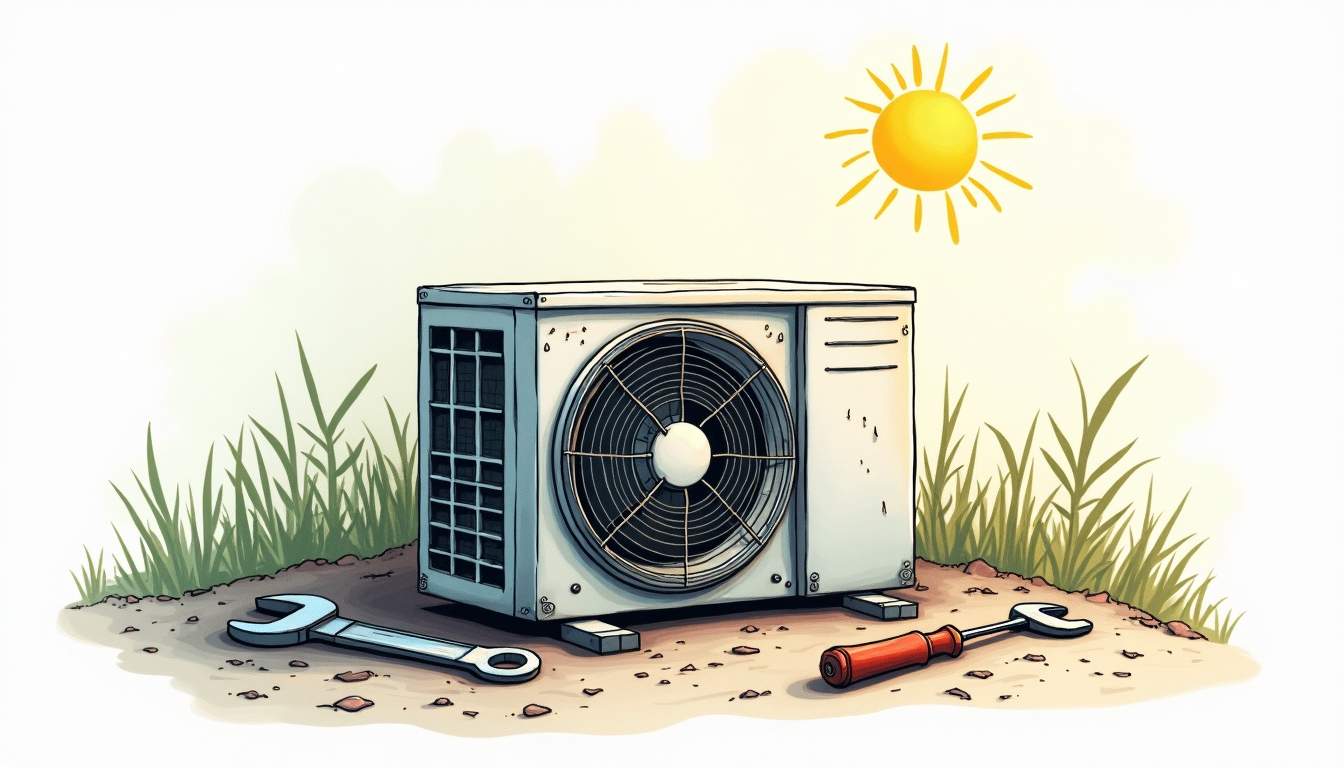
Minor Repairs and Maintenance
If the problem is minor—such as a faulty thermostat, clogged filter, or a small refrigerant leak—repairing the unit can restore its function without a significant investment.
Regular maintenance, including cleaning coils, replacing filters, and checking refrigerant levels, can extend the life of your air conditioner and improve efficiency.
Relatively New Units
If your air conditioner is less than 8 years old and has been well-maintained, repairing it may be cost-effective. These units are likely to have many years of service left if properly cared for.
Budget Constraints
Sometimes, immediate replacement isn’t feasible due to budget limitations. In such cases, repairing the unit to keep it running until replacement is possible can be a practical solution.
Making the Final Decision
Choosing whether to repair or replace an old air conditioner involves weighing multiple factors. Here’s a summary to guide your decision:
- Age of Unit: Units older than 10-15 years are often better replaced.
- Repair Costs: If repairs exceed 50% of replacement cost, consider a new system.
- Energy Efficiency: New models offer significant savings and environmental benefits.
- Comfort Needs: Upgrading can improve cooling performance and convenience.
- Incentives: Rebates and tax credits can make replacement more affordable.
- Condition and Repair History: Frequent repairs or major component failures suggest replacement.
Consulting with a trusted HVAC professional can provide personalized advice based on your specific situation. They can assess your current unit, estimate repair costs, and recommend the best course of action.
Conclusion
Deciding whether to repair an old air conditioner or replace it with a new one is a complex choice that depends on various factors including age, repair costs, energy efficiency, and personal comfort preferences. While repairing can be a cost-effective short-term solution for minor issues or newer units, replacement often offers greater long-term benefits through improved efficiency, lower operating costs, and enhanced comfort.
Ultimately, the best decision balances your budget, environmental concerns, and the desire for reliable cooling during the hot months. Taking the time to evaluate your options carefully will ensure that you stay cool and comfortable without unnecessary expenses.
Z.E. EYE HOSPITAL – Best Eye Hospital in Karachi for Comprehensive Eye OPD Services in Karachi
Fun Summer Solstice Party Ideas for Everyone
Southampton Taxi Service: Choose Soton Cars for Reliable Rides
Trusted Folding Doors Dubai Contractors
Kia Finance America: Everything You Need to Know About Auto Financing
