Streetwear collectors constantly search for brands that hold cultural value and financial potential. Many buyers no longer shop only for style. They also evaluate resale trends, brand heritage, exclusivity, and long-term demand. In that conversation, stussy often appears as a strong contender. But does this iconic label truly offer smart investment potential for serious collectors? This article explores brand history, resale performance, collaborations, scarcity, and future growth to help collectors make informed decisions.
The Cultural Power Behind the Brand
Collectors value brands that shape culture rather than follow trends. Shawn Stussy launched the label in the early 1980s, and he built it around surf culture in California. Over time, the brand expanded into hip-hop, skateboarding, and global street fashion. That cultural crossover created deep roots in multiple communities. Because of that history, stussy holds authentic credibility. Many newer brands try to copy the relaxed aesthetic and logo-driven identity, but collectors understand the difference between original influence and trend imitation. Long-standing cultural relevance often supports long-term value.
Brand Longevity and Market Stability
Investors in fashion often focus on durability. Brands that survive decades usually develop strong internal systems, loyal customers, and consistent product demand. stussy has operated successfully for more than four decades. That longevity reduces risk compared to short-lived hype labels. Streetwear markets shift quickly. However, brands with strong heritage often recover faster from slow cycles. Collectors who buy archival items from stable brands often see steady demand in resale markets.
Limited Drops and Scarcity Strategy
Scarcity drives value in streetwear collecting. Limited drops create urgency and protect exclusivity. The brand frequently releases seasonal capsules, small-batch collaborations, and region-specific items. That strategy prevents market oversaturation.When supply remains controlled, resale platforms often show strong performance. Collectors who secure rare pieces during original release dates frequently resell them at higher prices later. Scarcity combined with brand recognition strengthens investment appeal.
The Resale Market Performance
Resale platforms reveal real demand. Popular items from past collections continue to circulate years after release. Vintage graphic tees, outerwear, and special collaboration pieces often command premium pricing. Collectors monitor online marketplaces, auction sites, and private collector groups. They track price history, condition grading, and rarity levels. In many cases, older pieces outperform newer hype-based brands because long-term fans appreciate authenticity.
The Role of Collaborations
Collaborations influence collectability. Strategic partnerships often increase demand. Over the years, the brand has worked with major names in street culture and global fashion. Those limited collaborations often gain strong resale traction. For example, partnerships with brands like Nike and Dior expanded visibility beyond traditional streetwear audiences. Such collaborations blend luxury and street identity, attracting wider investor interest. When collaborations combine two respected names, collectors see greater long-term potential. Limited production numbers also increase rarity, which directly impacts resale value.
The Importance of Condition and Authenticity
Collectors must protect investment pieces carefully. Streetwear value depends heavily on condition. Deadstock items with original packaging usually command higher prices. Faded prints, damaged stitching, or missing tags reduce resale potential. Authentication also plays a crucial role. Counterfeit markets target popular brands. Buyers should verify labels, stitching patterns, logo placement, and production details before purchasing. Reliable sourcing protects long-term value.
Vintage Appeal and Archive Value
Vintage streetwear continues to grow in popularity. Early-era graphics, rare colourways, and discontinued designs attract collectors who appreciate nostalgia. Pieces from the 1990s and early 2000s often perform well in resale markets.Many collectors focus on older stussy designs because they represent cultural moments in skate and hip-hop history. Archive value increases when new generations rediscover classic designs. As fashion cycles revisit past decades, vintage demand often rises again.
Global Expansion and Market Demand
Streetwear operates globally. Strong international presence supports brand resilience. The label maintains popularity across Asia, Europe, and North America. Japanese collectors especially value rare regional releases. Global demand reduces dependence on a single market. When one region slows, another region may experience growth. That geographic diversification supports stable resale performance.
The Popularity of stussy bluza
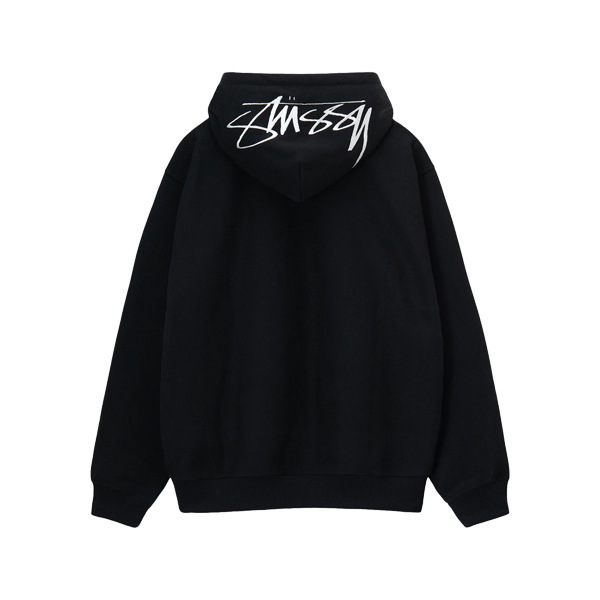
Sweatshirts remain essential in streetwear collections. A stussy bluza often attracts attention because it combines comfort with bold branding. Collectors appreciate pieces that balance wearable design and strong identity. Limited-edition hoodies and crewnecks frequently sell out quickly. When rare graphics or collaboration tags appear on a stussy bluza, collectors often view the item as a long-term hold rather than a quick flip. Durable materials and timeless logos also help maintain resale demand.
Comparing Hype Brands and Heritage Brands
Many hype-driven brands rely on short bursts of social media attention. They create rapid spikes in resale value but often decline just as quickly. Heritage brands usually show steadier performance over time. stussy benefits from both heritage and trend relevance. It attracts older collectors who value history and younger buyers who embrace modern styling. That dual appeal reduces volatility compared to purely trend-based labels.
Risk Factors to Consider
Every investment carries risk. Fashion trends change. Consumer preferences shift. Economic downturns reduce discretionary spending. Streetwear resale markets can cool during global financial stress .Collectors should avoid overexposure to a single brand. Diversification across multiple streetwear labels and categories lowers financial risk. Buyers should also research past resale data instead of relying on hype alone.
Long-Term Versus Short-Term Strategy
Some collectors flip items quickly after release. Others hold pieces for years. Both strategies require planning. Short-term flipping depends on release timing and immediate hype. Long-term holding depends on historical value and cultural relevance. stussy supports both approaches. Limited collaborations may deliver quick returns, while vintage archival pieces may appreciate gradually over time. Collectors should align strategy with budget, storage capacity, and risk tolerance.
Emotional Value and Cultural Equity
Investment discussions often ignore emotional value. Streetwear collecting also reflects passion. Many collectors build personal identity around their wardrobe. Emotional connection increases brand loyalty. Because stussy holds strong cultural roots, many buyers feel a personal attachment to the brand. That emotional equity supports consistent demand even during slower resale cycles.
Social Media and Digital Influence
Digital platforms influence resale markets significantly. Influencers showcase rare items, driving interest in archival pieces. When celebrities wear older designs, collectors often search for similar items immediately. Although hype cycles fluctuate, brands with historical depth maintain visibility longer. Continuous digital exposure helps sustain interest across generations.
Practical Buying Tips for Collectors
Collectors should follow structured strategies:
Research past resale prices.
Verify authenticity before purchase.
Prioritise limited releases and collaborations.
Store items in climate-controlled environments.
Keep original packaging and receipts.
Strategic buying increases chances of long-term appreciation.
Future Outlook
Streetwear continues evolving, but heritage brands rarely disappear. Fashion cycles constantly revisit past influences. As new consumers explore older street culture, demand for archival pieces may increase further. Global expansion, collaboration strategy, and consistent design identity strengthen long-term prospects. While no brand guarantees profit, stussy demonstrates multiple characteristics that collectors typically seek in investment-grade streetwear.
So, is stussy a smart investment for streetwear collectors? The answer depends on strategy, timing, and selection. The brand offers strong heritage, global demand, limited releases, and active resale performance. Collectors who research carefully, verify authenticity, and select rare or collaborative pieces often position themselves well.A thoughtfully chosen stussy bluza, a vintage graphic tee, or a limited collaboration piece can hold cultural and financial value. Smart collectors treat purchases as both passion and calculated investment. Streetwear investing requires patience, research, and discipline. When collectors combine those qualities with a respected heritage brand, they improve their chances of long-term success.
