
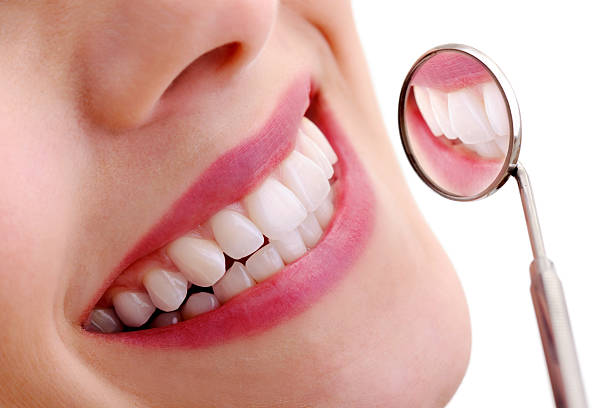
Beautiful smiling model with dental mirror- XXXL Image
A bright, white smile is often associated with health, youth, and confidence. Many people with stained teeth wonder whether Teeth Whitening in Abu Dhabi can truly improve the appearance of their smile. While whitening treatments have become widely popular, their effectiveness depends on the type of stains, the condition of the teeth, and the method used. This article explores how teeth whitening works, what types of stains respond best, and realistic expectations for achieving a brighter smile.
Understanding Teeth Stains
Tooth discoloration can be classified into two main categories: extrinsic and intrinsic stains. Identifying the type of stain is crucial for determining the effectiveness of whitening.
Extrinsic Stains
Extrinsic stains appear on the surface of the enamel and are usually caused by:
- Consuming dark-colored foods and drinks, such as coffee, tea, red wine, and berries
- Tobacco use, including smoking or chewing
- Poor oral hygiene
- Aging, which may allow surface stains to accumulate
Extrinsic stains are typically the easiest to treat with whitening products, whether at home or professionally, because the bleaching agents can directly target the surface pigments.
Intrinsic Stains
Intrinsic stains form within the tooth structure (dentin) and can result from:
- Trauma to a tooth
- Medication use during tooth development, such as certain antibiotics
- Excessive fluoride exposure during childhood
- Natural aging, which thickens dentin and darkens teeth
Intrinsic stains are generally more resistant to traditional whitening methods. While some bleaching treatments may lighten these stains, results can be less dramatic, and alternative cosmetic solutions may be considered for complete improvement.
How Teeth Whitening Works
Teeth whitening typically involves the use of peroxide-based bleaching agents, such as hydrogen peroxide or carbamide peroxide. These compounds penetrate the enamel and, to some extent, the dentin to break down stain molecules.
- Surface Stains: Whitening agents oxidize the colored molecules on the tooth surface, effectively lightening extrinsic stains.
- Deeper Stains: For intrinsic stains, peroxide penetrates the enamel and interacts with pigment molecules in the dentin. The process is slower and may require professional treatment for significant improvement.
Effectiveness of Whitening on Different Types of Stains
Stains from Food and Drink
Teeth stained from coffee, tea, red wine, or certain foods typically respond very well to whitening treatments. Both over-the-counter products and professional treatments can produce noticeable results, especially when stains are primarily on the surface.
Tobacco-Related Stains
Nicotine and tar from smoking can cause stubborn yellow or brown stains. Whitening can significantly improve these stains, though multiple applications or professional treatments may be needed for optimal results.
Age-Related Discoloration
Aging naturally darkens teeth as enamel thins and dentin yellows. Whitening treatments can lighten teeth, but results may vary depending on the natural tooth color and age-related changes.
Medication-Induced or Trauma-Related Stains
Teeth discolored due to antibiotics or trauma are more challenging to whiten. Some improvement is possible with professional bleaching, but the results may not be as dramatic as with surface stains. In certain cases, cosmetic options such as veneers or bonding may be considered.
Home vs. Professional Whitening for Stained Teeth
Home Whitening
- Products: Whitening strips, gels, pens, or toothpaste
- Effectiveness: Works well for mild to moderate surface stains
- Limitations: Less effective on deep intrinsic stains; results are gradual and may take weeks
Professional Whitening
- Methods: In-office bleaching, custom trays, or combination treatments
- Effectiveness: High-strength bleaching agents provide faster and more uniform results, including some resistant stains
- Advantages: Customizable to tooth sensitivity, stain type, and desired shade; monitored by a professional for safety
Tips to Maximize Whitening Results
- Maintain consistent oral hygiene, including brushing and flossing
- Limit exposure to stain-causing foods, drinks, and tobacco
- Use whitening toothpaste or touch-up products to maintain results
- Follow product instructions carefully to avoid uneven whitening
- Consider combining professional and at-home methods for optimal results
Frequently Asked Questions About Whitening Stained Teeth
Can whitening remove all types of stains?
Whitening is most effective on extrinsic (surface) stains. Intrinsic stains may improve partially but sometimes require additional cosmetic procedures for full correction.
How long does it take to see results?
Results depend on the severity and type of stain. Surface stains may lighten in a few days to weeks, while intrinsic stains may require multiple professional treatments.
Are home whitening products effective for severe stains?
Home products are generally effective for mild to moderate surface stains. Severe or deep stains respond better to professional treatments with stronger bleaching agents.
Can whitening improve tobacco-stained teeth?
Yes, whitening can significantly lighten tobacco stains, though professional treatment is often more effective for deeply set discoloration.
How long do the results last?
Whitening results are temporary but can last several months to a few years depending on diet, oral hygiene, and lifestyle. Occasional touch-ups help maintain brightness.
Conclusion
Teeth whitening is highly effective for improving the appearance of stained teeth, especially for surface discoloration caused by food, drink, and tobacco. Intrinsic stains may be more resistant, but professional treatments can still achieve noticeable improvements. Understanding the type of stains and choosing the appropriate whitening method ensures realistic expectations and optimal results.
With proper care, consistent maintenance, and awareness of lifestyle factors that contribute to staining, teeth whitening can transform a smile, boost confidence, and enhance overall appearance. Whether opting for home or professional treatment, stained teeth can be significantly improved, leading to a brighter, healthier-looking smile.
Top-Rated Beirut Escorts Offering Sophisticated Experiences
Saving Time and Money with a Healthcare Virtual Assistant Today
What to Look for When Choosing a Trade Show Booth Manufacturer in the U.S.?
How Recreational Cannabis Stores Work: Rules and Regulations
Remote Bookkeeping Services Australia: The Invisible Engine Behind Modern Businesses
About the Author