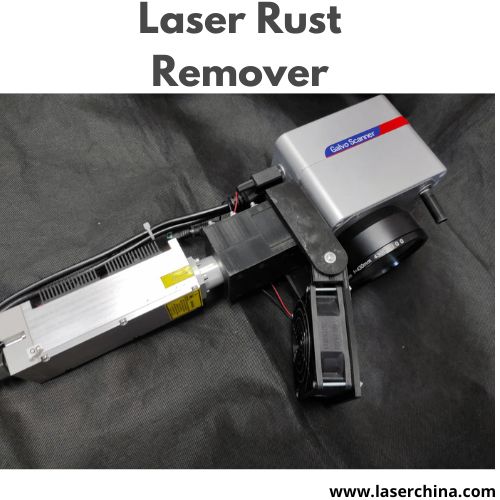
A laser rust remover represents a new generation of surface treatment technology designed for industries that demand accuracy, consistency, and professional results. Rust and oxidation are common challenges across manufacturing, construction, shipbuilding, automotive repair, and metal fabrication. Traditional cleaning methods such as chemical treatments, abrasive blasting, or mechanical grinding often struggle to meet modern production standards due to inconsistency, excessive material loss, and complex handling procedures. In contrast, laser-based rust removal introduces a controlled, non-contact process that aligns with today’s precision-driven industrial environments.
At its core, a laser rust remover works by directing high-energy laser pulses onto the rusted metal surface. These pulses interact with the corrosion layer and contaminants while leaving the base metal intact. This process allows operators to restore metal surfaces to a clean and uniform state without altering the original structure. As industries increasingly focus on quality control, efficiency, and environmental responsibility, the adoption of laser rust removal systems continues to expand globally.
Growing Demand for Laser Rust Remover Systems in Industry
The industrial landscape has evolved rapidly over the past decade, and surface preparation standards have become more stringent. Manufacturers now require cleaner surfaces for welding, coating, bonding, and inspection. A laser rust remover meets these demands by offering repeatable and measurable cleaning results. This consistency is particularly valuable in sectors where surface integrity directly affects product performance and safety.
In heavy industries such as shipbuilding and rail maintenance, large steel components are exposed to harsh environmental conditions. Rust formation is unavoidable, and frequent maintenance is essential. Laser rust removal equipment allows maintenance teams to address corrosion directly on-site, reducing downtime and eliminating the need for disassembly. In automotive restoration and aerospace maintenance, the same technology enables precise cleaning of complex geometries without damaging surrounding materials.
How Laser Rust Removal Fits into Modern Production Lines
A laser rust remover integrates smoothly into modern production and maintenance workflows. It can be used as a standalone unit for manual operation or incorporated into automated systems for high-volume applications. This adaptability makes it suitable for both small workshops and large-scale manufacturing facilities.
In automated environments, laser rust removal systems are often paired with robotic arms or CNC platforms. This setup ensures uniform cleaning across multiple parts, even when dealing with intricate shapes or tight tolerances. In manual operations, handheld laser rust remover units give technicians direct control, allowing them to focus on specific areas with visible corrosion or contamination.
Because the process is digitally controlled, operators can adjust parameters such as pulse frequency, power output, and scanning speed to match the condition of the surface. This level of control supports a wide range of applications, from light surface oxidation removal to deep rust cleaning on heavily corroded steel.
Applications Across Multiple Industries
The versatility of a laser rust remover has made it a preferred solution across numerous sectors. In manufacturing plants, it is widely used for pre-weld cleaning, ensuring that joints are free from rust and contaminants before assembly. Clean surfaces contribute to stronger welds and more reliable finished products.
In the energy sector, including oil, gas, and power generation, metal components are frequently exposed to extreme temperatures and corrosive environments. Laser rust removal allows maintenance teams to clean pipelines, valves, and structural components without shutting down entire systems. This targeted approach supports efficient maintenance planning and asset longevity.
Cultural heritage preservation has also embraced laser rust removal technology. Museums and restoration specialists use laser systems to clean historical metal artifacts, statues, and architectural elements. The precision of a laser rust remover enables conservators to remove corrosion while preserving original craftsmanship and surface details.
Environmental and Workplace Considerations
As industries move toward cleaner and safer operations, the laser rust remover aligns well with modern environmental policies. Unlike chemical cleaning methods that generate hazardous waste, laser rust removal produces minimal secondary waste. The rust and contaminants are typically captured through filtration systems, making disposal simpler and more controlled.
Workplace safety is another important factor driving adoption. Operators are no longer required to handle aggressive chemicals or heavy abrasive materials. The non-contact nature of laser rust removal reduces physical strain and improves overall working conditions. These factors contribute to a cleaner workspace and support compliance with increasingly strict safety regulations.
Precision and Surface Integrity
One of the defining characteristics of a laser rust remover is its ability to clean surfaces without altering the underlying material. This precision is critical in applications where dimensional accuracy and surface finish must be maintained. Unlike grinding or sandblasting, which can remove base material along with rust, laser cleaning focuses energy only where it is needed.
This level of surface integrity is particularly important in aerospace, medical device manufacturing, and precision engineering. Components in these industries often have tight tolerances, and even minor surface damage can compromise performance. Laser rust removal ensures that components meet quality standards while extending their usable life.
Technological Advancements Driving Adoption
Continuous innovation in laser technology has made laser rust remover systems more accessible and efficient. Developments in fiber laser sources, control software, and cooling systems have improved reliability and operational stability. Modern systems are designed for long service life, supporting continuous operation in demanding industrial environments.
Digital interfaces allow operators to store and recall cleaning parameters, ensuring consistent results across multiple projects. Remote diagnostics and monitoring capabilities further enhance system uptime and maintenance planning. These advancements have positioned laser rust removal as a forward-looking solution that aligns with Industry 4.0 principles.
Economic Value in Long-Term Operations
From a business perspective, investing in a laser rust remover supports long-term operational efficiency. While traditional methods may appear cost-effective initially, they often involve recurring expenses related to consumables, waste disposal, and labor-intensive processes. Laser rust removal systems streamline operations by reducing preparation time and minimizing rework.
For companies focused on brand reputation and product quality, the ability to deliver clean, well-prepared metal surfaces is a competitive advantage. Customers increasingly expect consistent quality, and laser-based cleaning processes help manufacturers meet these expectations with confidence.
Customization and Scalability
A laser rust remover can be tailored to meet specific operational requirements. Systems are available in various power ranges to accommodate different materials and levels of corrosion. This scalability allows businesses to start with a system that meets current needs and expand capabilities as production demands grow.
Portable units are ideal for fieldwork and maintenance tasks, while high-power stationary systems are designed for continuous industrial use. This flexibility ensures that laser rust removal technology remains relevant across a wide range of use cases and business models.
The Role of Laser Rust Removal in Future Manufacturing
As manufacturing continues to evolve, surface preparation technologies must keep pace with new materials, designs, and quality standards. The laser rust remover is positioned as a key tool in this evolution, supporting cleaner production processes and higher precision outcomes.
With ongoing advancements in laser efficiency and automation, laser rust removal is expected to play an increasingly central role in metal processing and maintenance. Its ability to deliver controlled, repeatable, and professional results makes it a valuable asset for industries committed to innovation and excellence.
