




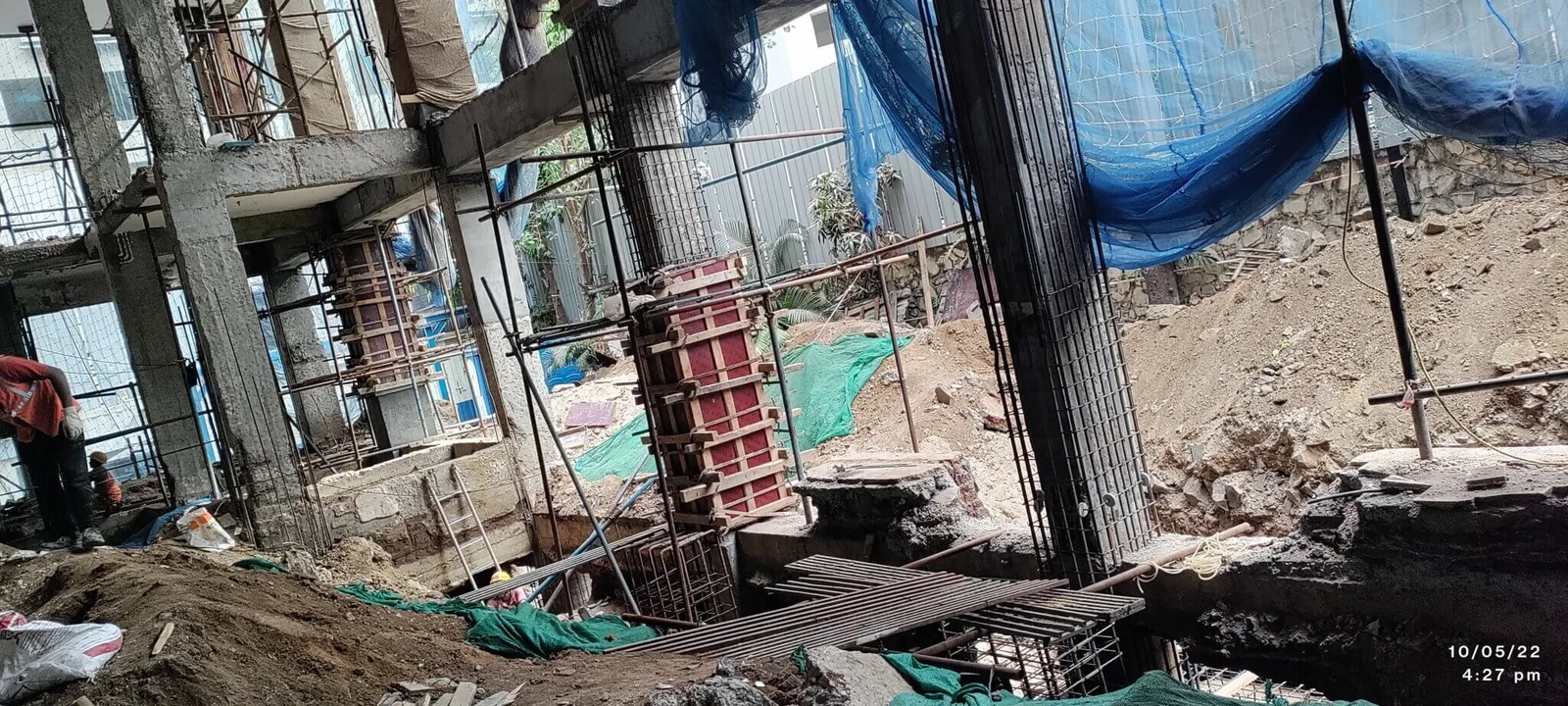
Micro concrete jacketing has become one of the most dependable strengthening methods for aging buildings, damaged structures, and RCC elements that have lost capacity due to corrosion or overloading. Many property owners today look for long-lasting repair solutions instead of temporary patchwork. This method delivers high compressive strength and uniform bonding, which makes it suitable for commercial complexes, residential buildings, industrial plants, and infrastructure that require durable rehabilitation and improved load-bearing performance.
What Makes Micro Concrete Jacketing a Preferred Choice
Homeowners, engineers, and contractors often search for solutions that give fast results without compromising durability. Micro concrete jacketing addresses both needs because it flows easily, sets uniformly, and provides high tensile and compressive strength. Since it does not require vibration, it is ideal for confined spaces. Its predictable performance makes it popular among those comparing strengthening options like polymer mortars, epoxy injections, or steel encasement systems.
When Buildings Need Micro Concrete Jacketing
Most structures start showing stress after years of exposure to weather, moisture, vibrations, and heavy usage. Typical signs include cracks in beams, spalling of concrete, corrosion of reinforcement, and reduction in load capacity. Micro concrete jacketing becomes necessary when buildings require immediate structural rehabilitation or when the original RCC elements fail to meet new load demands. This solution also supports seismic upgrades, making older buildings safer and more resistant to lateral forces.
How the Jacketing Process Strengthens an RCC Member
The process begins with preparing the damaged surface by removing loose concrete, cleaning exposed steel, and applying anti-corrosion treatment. Once formwork is positioned, highly flowable micro concrete is poured around the structural element. As the jacket hardens, it bonds tightly with the old concrete, increases cross-sectional area, and enhances overall strength. Micro concrete jacketing ensures uniform compaction without vibration, reducing the chance of voids and improving structural stability.
Benefits for Building Owners and Contractors
Property owners prefer solutions that reduce downtime and keep repair costs manageable. Micro concrete jacketing provides these advantages by offering quick application, strong bonding, and long-term durability. Contractors value its performance in complex projects where accessibility is limited, such as repairing columns in basements or beams in operational buildings. Its predictable behavior and high early strength help reduce delays, which is important in time-bound commercial and industrial repair projects.
Suitable Structures for Micro Concrete Jacketing
Many people search for strengthening options for residential buildings, commercial towers, industrial sheds, and parking structures. Micro concrete jacketing works effectively on beams, slabs, shear walls, and columns in all these environments. Its flowable nature allows it to be placed easily in congested reinforcement zones. It is also preferred in heavy-duty areas like factories and warehouses, where strengthened elements must withstand high loads, machinery vibrations, and long operational hours.
Performance of Micro Concrete Under Heavy Loads
Structural designers often select materials based on compressive strength, dimensional stability, shrinkage control, and long-term durability. Micro concrete jacketing meets these expectations with its superior mechanical performance. It resists shrinkage, spreads uniformly, and adheres strongly to old concrete. This makes it ideal for strengthening elements experiencing bending, shear, and axial forces. Its consistent performance is one reason why engineers recommend it for both repair and retrofit projects across various sectors.
Role of Micro Concrete in Restoring Damaged RCC Columns
Columns are the backbone of any structure, and even minor damage can reduce their ability to carry loads. Micro concrete jacketing restores their original strength and often enhances it beyond the initial design capacity. By increasing the column’s size and improving confinement, the jacket helps control deformations and prevent future cracking. This makes it a preferred solution for buildings that have undergone settlement, corrosion damage, or decades of continuous service.
Cost Efficiency Compared to Other Strengthening Methods
Many users search online for cost-effective strengthening options. Micro concrete jacketing often becomes the chosen solution because it is simpler to execute than fiber wrapping, steel plate bonding, or complete reconstruction. Material availability, ease of placement, and reduced labor requirements help maintain overall project cost. Since the method increases durability, it also reduces maintenance expenses in the long run, offering an economical pathway for structural rehabilitation.
Importance of Skilled Execution
Even though the material offers high performance, the final strength depends heavily on workmanship. Contractors must follow proper surface preparation, reinforcement alignment, and formwork sealing. Skilled applicators ensure that micro concrete jacketing is poured correctly to avoid leakage or honeycombing. They also monitor curing conditions to maintain moisture and temperature. This attention to detail helps the strengthened element reach its expected load-bearing capacity and long-term performance.
Micro Concrete Jacketing for Seismic Strengthening
Areas prone to earthquakes require buildings that can withstand lateral forces without collapsing. Micro concrete jacketing helps improve ductility, confinement, and energy absorption in existing structures. By enlarging columns and beams, it reduces stress concentration and increases the safety margin. This approach is commonly used in older residential blocks, school buildings, commercial complexes, and industrial plants that need seismic upgrades without undergoing complete reconstruction.
Improving Durability in Corrosion-Affected Structures
Corrosion of reinforcement steel is one of the most common reasons for structural deterioration. Once the steel loses its cross-section, it weakens the RCC member. Micro concrete jacketing helps address this issue by encapsulating the corroded area with a dense, low-permeability material. The jacket protects the steel from further moisture and chemical exposure while restoring the original capacity. This makes it effective for coastal areas, industrial zones, and water-exposed structures.
Advantages in Confined or Hard-to-Reach Areas
Many building owners look for strengthening solutions that work well in tight spaces, especially basements, lift cores, and parking areas. Micro concrete jacketing is ideal for such locations because it flows easily without vibration. The material fills gaps around reinforcement and settles evenly within formwork. This property reduces labor effort and minimizes disruption, which is especially important in active residential buildings and operational commercial spaces.
Longevity and Maintenance Requirements
Once the jacket is installed and cured properly, the strengthened element requires minimal maintenance. The dense structure of micro concrete helps reduce water absorption, shrinkage cracks, and wear over time. Micro concrete jacketing remains stable under temperature changes and heavy usage, making it suitable for long-term applications. Building owners benefit from extended service life and reduced repair cycles, which makes the method a practical choice for rehabilitation projects.
Choosing the Right Contractor for the Job
People often search for experienced contractors when planning structural repairs. For micro concrete jacketing, expertise matters because each project requires accurate assessment, design calculations, and proper execution. Skilled teams ensure good bonding, correct reinforcement detailing, and reliable curing. Choosing a qualified contractor helps avoid issues like uneven sections, leakage during pouring, or poor finishing. A well-executed jacket can significantly extend a building’s lifespan and safety.
Micro concrete jacketing remains one of the most effective strengthening techniques for RCC structures that need enhanced durability, improved load capacity, and long-term performance. Its ability to restore damaged elements, support seismic upgrades, and deliver consistent results makes it suitable for a wide range of applications. When executed correctly by trained professionals, this method provides a dependable solution for property owners seeking a strong and lasting rehabilitation approach.
About the Author