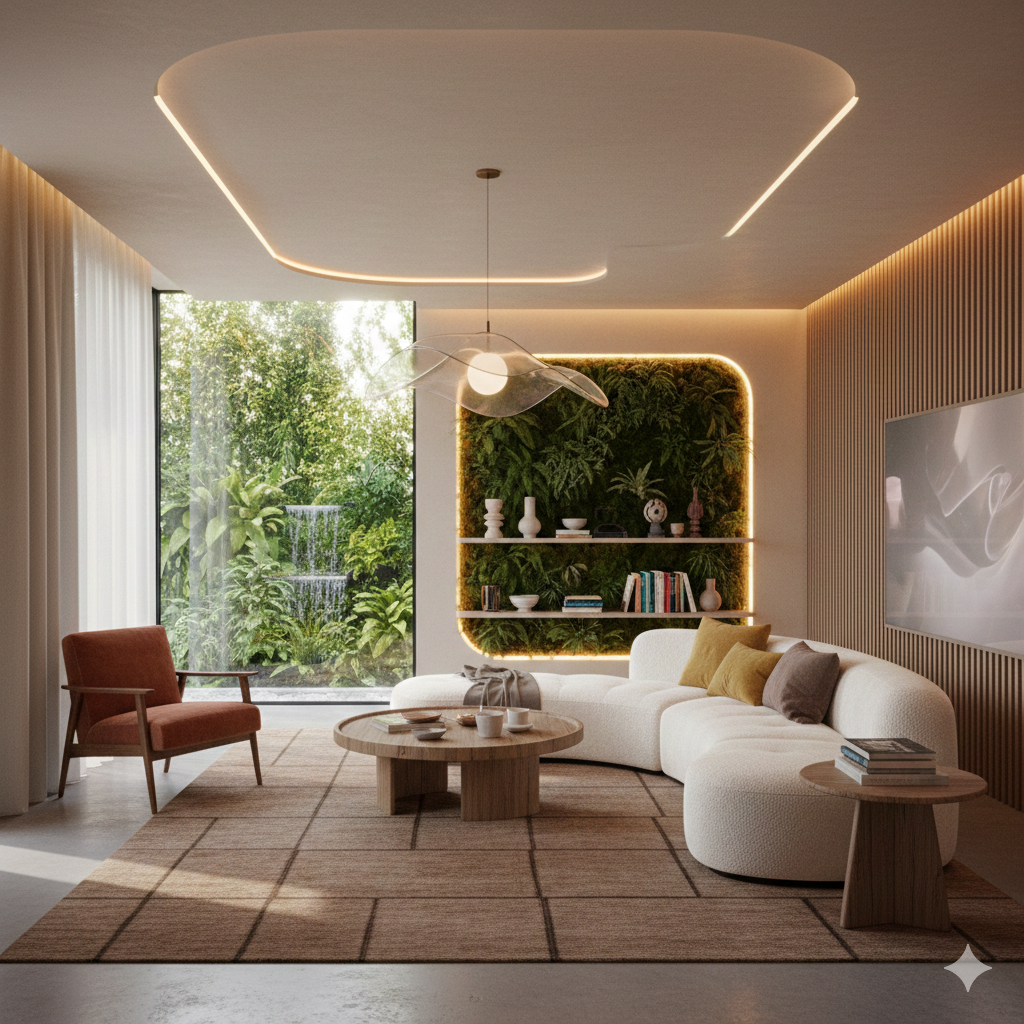
The world of interior design is a dynamic canvas, constantly evolving to reflect our changing lifestyles, technological advancements, and collective consciousness. As we step further into the mid-2020s, the focus shifts from fleeting fads to sustainable elegance, mindful living, and personalized sanctuaries. Understanding these pivotal Interior Design Trends is crucial for homeowners looking to refresh their spaces and for designers aiming to stay ahead of the curve. This article will delve into the leading directions defining the aesthetics and functionality of our homes in 2026.
The Rise of Biophilic Design: Connecting with Nature in Interior Design Trends
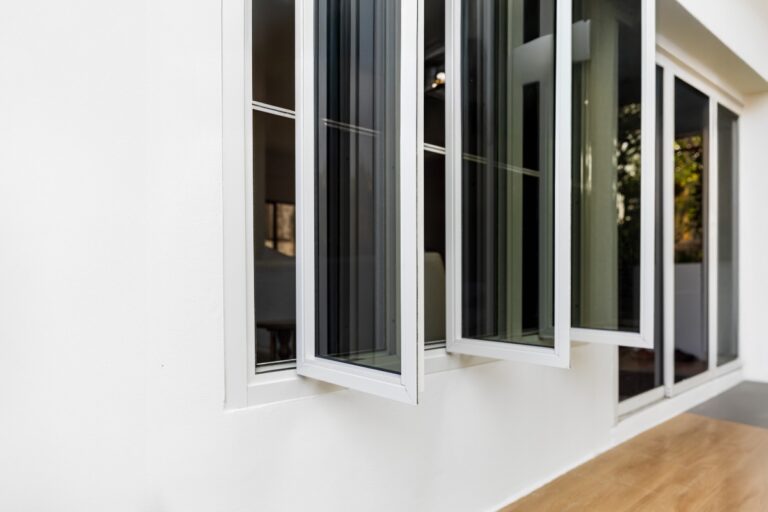
One of the most enduring and increasingly vital interior design trends is biophilic design – the integration of natural elements into indoor spaces to foster a connection with the outdoors. This isn’t merely about adding a few potted plants; it’s a holistic approach that incorporates natural light, organic materials, calming water features, and views of nature. Think large windows framing lush gardens, living walls that purify air and add visual interest, and furniture crafted from raw, sustainably sourced wood. The aim is to reduce stress, enhance productivity, and improve overall well-being by creating environments that mimic the restorative qualities of the natural world. Expect to see a proliferation of earthy tones, natural textures like linen and wool, and designs that blur the lines between indoor and outdoor living.
Smart Homes, Seamless Living: Technology as an Interior Design Trend
Technology continues to reshape our living environments, but the focus has shifted from overt gadgets to seamlessly integrated systems. In 2026, smart home technology is no longer a luxury but an expectation, with emphasis on intuitive controls that enhance comfort and efficiency without being visually intrusive. Lighting systems that adapt to circadian rhythms, hidden speakers that deliver immersive audio, and climate control that learns your preferences are becoming standard. Voice-activated assistants manage everything from security to entertainment, all while design elements conceal the technology itself. This interior design trend prioritizes user experience, creating effortless and personalized living spaces where technology works quietly in the background, enhancing rather than dominating the aesthetic.
Embracing Tactile Luxury: Texture-Rich Interior Design Trends
Beyond visual appeal, the sense of touch is gaining prominence in interior design trends. Homes are becoming sanctuaries of comfort, with an emphasis on rich, varied textures that invite interaction. Bouclé fabrics, ribbed wood panels, deeply piled rugs, and textured wall finishes like limewash or Venetian plaster add depth and warmth to a space. Matte finishes are preferred over high-gloss, lending an understated elegance. This trend is about creating a multi-sensory experience, where every surface tells a story and contributes to a feeling of grounded luxury. Layering different textures a velvet sofa against a raw concrete wall, a knitted throw over a linen armchair creates visual interest and a sophisticated, inviting atmosphere.
Sustainable and Circular Design: The Eco-Conscious Interior Design Trend
Sustainability is no longer a niche concern but a fundamental driver of interior design trends. The industry is moving towards a circular economy, prioritizing materials that are recycled, recyclable, renewable, and ethically sourced. Homeowners are increasingly seeking out furniture made from reclaimed wood, recycled plastics, or innovative bio-materials. Upcycling and repurposing existing pieces are also key, adding character and reducing waste. This eco-conscious approach extends to energy efficiency, water conservation, and choosing non-toxic, low-VOC paints and finishes. Designers are challenging consumers to invest in quality, timeless pieces that are built to last, moving away from fast furniture towards a more responsible and enduring aesthetic.
Personalized Storytelling: Crafting Unique Interior Design Trends
In an increasingly digital world, homes are becoming reflections of individual journeys and personal narratives. The era of generic, showroom-perfect spaces is fading, replaced by a desire for curated interiors that tell a story. This interior design trend celebrates individuality, incorporating eclectic mixes of vintage finds, artisanal crafts, travel souvenirs, and custom-made pieces. It’s about creating spaces that feel lived-in, cherished, and authentic. Heirloom furniture gets a new lease on life, art collections are thoughtfully displayed, and sentimental objects find their place, contributing to a sense of belonging and uniqueness. This trend empowers homeowners to be curators of their own spaces, blending styles and eras to create a truly one-of-a-kind environment.
Color Palettes for Serenity and Vibrancy: The Evolving Interior Design Trends
While neutral bases remain popular for their versatility, the color palettes defining interior design trends in 2026 embrace both serene tranquility and thoughtful bursts of vibrancy. Earthy neutrals like warm beiges, soft greys, and muted greens continue to provide a calming backdrop, often paired with deeper, grounding tones such as terracotta, rich chocolate browns, and deep forest greens. However, there’s also a resurgence of optimistic, nature-inspired accent colors: sun-baked yellows, ocean blues, and gentle lavenders are used strategically to inject personality and energy without overwhelming a space. The key is balance and intentionality, using color to define zones, highlight architectural features, or simply evoke a particular mood.
To see how these aesthetic shifts translate into structural changes, explore our comprehensive guide on Modern Home Renovation Techniques to plan your next project.
Conclusion
The interior design trends of 2026 paint a picture of homes that are not just aesthetically pleasing, but also deeply functional, sustainable, and reflective of their inhabitants. From the calming embrace of biophilic elements to the seamless integration of smart technology, and from the tactile luxury of varied textures to the unique narrative of personalized spaces, the future of design prioritizes well-being, authenticity, and environmental responsibility. Embracing these trends means creating spaces that truly enhance quality of life and stand the test of time. For expert guidance in navigating these exciting changes and transforming your vision into reality, 3D Home Improvement offers unparalleled expertise in bringing cutting-edge design and quality craftsmanship to every project.
Top-Rated Beirut Escorts Offering Sophisticated Experiences
Saving Time and Money with a Healthcare Virtual Assistant Today
What to Look for When Choosing a Trade Show Booth Manufacturer in the U.S.?
How Recreational Cannabis Stores Work: Rules and Regulations
Remote Bookkeeping Services Australia: The Invisible Engine Behind Modern Businesses
About the Author