




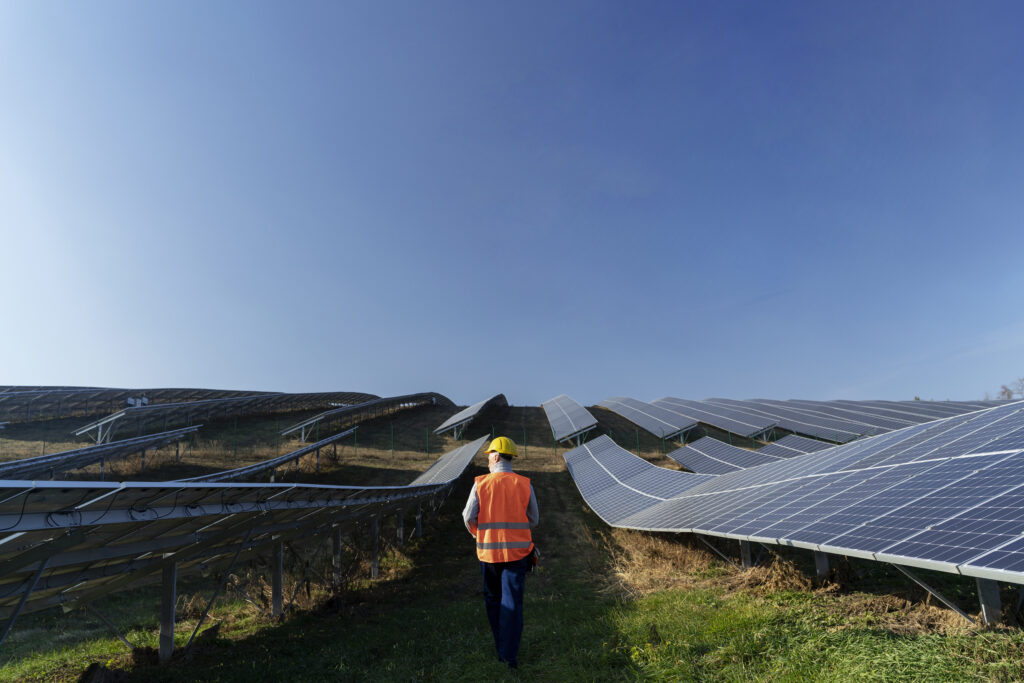
As global energy demands continue to rise and electricity costs increase, solar power has emerged as one of the most reliable and sustainable energy solutions. Among the various solar configurations available today, the on grid solar system stands out as the most widely adopted choice for homes, businesses, and industrial facilities.
At the same time, advancements in photovoltaic technology—particularly the TOPCon solar panel—are redefining efficiency, durability, and long-term energy performance. Together, these innovations are shaping the future of clean energy.
What Is an On-Grid Solar System?
An on grid solar system, also known as a grid-tied solar system, is directly connected to the local electricity grid. Unlike off-grid systems, it does not rely on battery storage. Instead, excess electricity generated during the day is exported to the grid, and power is drawn from the grid when solar production is low.
Key Components of an On-Grid Solar System
- Solar panels
- Grid-tied inverter
- Net meter
- AC distribution system
This setup ensures optimal energy utilization while minimizing infrastructure costs.
Read More: On-Grid Solar Panel – All You Need to Know
How an On-Grid Solar System Works
The working principle of an on-grid system is simple yet highly efficient:
- Solar panels convert sunlight into DC electricity
- The inverter converts DC power into AC power
- Power is consumed by on-site electrical loads
- Excess energy is sent to the utility grid via net metering
- When solar generation is insufficient, electricity is drawn from the grid
This seamless interaction makes on-grid solar systems ideal for urban and commercial environments.
Benefits of Choosing an On-Grid Solar System
The popularity of on-grid systems continues to grow due to their practical advantages.
1. Cost-Effective Installation
Without batteries, the overall system cost is significantly lower compared to hybrid or off-grid systems.
2. Net Metering Benefits
Consumers can earn credits for excess electricity supplied to the grid, reducing monthly power bills.
3. High Efficiency
Direct grid connectivity ensures minimal energy loss and maximum system efficiency.
4. Low Maintenance
With fewer components, on-grid solar systems require minimal maintenance and have longer operational life.
The Evolution of Solar Panel Technology
Traditional solar panels have evolved rapidly over the past decade. Modern solar solutions focus on higher efficiency, lower degradation, and improved performance under diverse environmental conditions.
This evolution has led to advanced technologies such as:
- PERC (Passivated Emitter and Rear Cell)
- HJT (Heterojunction Technology)
- TOPCon (Tunnel Oxide Passivated Contact)
Among these, TOPCon technology is gaining widespread recognition.
What Is a TOPCon Solar Panel?
A TOPCon solar panel uses Tunnel Oxide Passivated Contact technology to enhance energy conversion efficiency and reduce power losses. This design improves electron flow while minimizing recombination losses at the cell level.
Key Features of TOPCon Solar Panels
- Higher efficiency compared to conventional panels
- Improved low-light performance
- Lower degradation over time
- Enhanced temperature tolerance
These characteristics make TOPCon panels a preferred choice for high-performance solar installations.
Why TOPCon Solar Panels Are Ideal for On-Grid Systems
Pairing an on grid solar system with TOPCon solar panel technology creates a powerful and future-ready energy solution.
Superior Energy Output
TOPCon panels generate more electricity from the same surface area, maximizing rooftop utilization.
Long-Term Reliability
Lower degradation rates ensure consistent performance over decades, making them ideal for grid-tied installations.
Better ROI
Higher efficiency translates into faster payback periods and greater lifetime savings.
Grid Compatibility
Stable voltage output and consistent power generation enhance grid interaction and system reliability.
Commercial and Residential Applications
Residential Use
Homeowners benefit from reduced electricity bills, clean energy adoption, and long-term savings without complex battery setups.
Commercial and Industrial Use
Businesses leverage on-grid systems to offset peak power costs, meet sustainability goals, and improve operational efficiency.
High-efficiency panels like TOPCon are especially valuable for facilities with limited roof space and high energy demand.
Sustainability and Energy Transition
The transition toward renewable energy is no longer optional—it’s essential. On-grid solar systems play a crucial role in reducing carbon emissions while supporting national power infrastructure.
Benefits include:
- Lower dependence on fossil fuels
- Reduced greenhouse gas emissions
- Enhanced grid stability through distributed generation
Advanced technologies such as TOPCon further strengthen the environmental impact of solar energy systems.
Choosing the Right Solar Partner
The performance of an on-grid solar system depends not only on technology but also on the quality of components and expertise of the solar provider.
Key factors to consider:
- Panel efficiency and warranty
- Inverter quality
- Engineering and system design
- Installation standards
- After-sales support
Solar solution providers like GB Solar offer advanced solar products, including high-efficiency TOPCon solar panels, designed to meet modern energy demands while ensuring long-term reliability.
Future Outlook of On-Grid Solar Systems
With smart grids, AI-based monitoring, and high-efficiency panel technologies, on-grid solar systems are becoming more intelligent and adaptive.
Emerging trends include:
- Smart inverters and real-time monitoring
- AI-driven performance optimization
- Integration with EV charging infrastructure
- Higher efficiency cell technologies
These innovations will further accelerate solar adoption across residential and commercial sectors.
Final Thoughts
An on grid solar system combined with advanced TOPCon solar panel technology represents one of the most efficient and sustainable energy solutions available today. By delivering higher output, long-term reliability, and cost-effective operation, this combination supports both economic and environmental goals.
As solar technology continues to evolve, adopting high-efficiency systems today ensures energy security and sustainability for the future.
About the Author