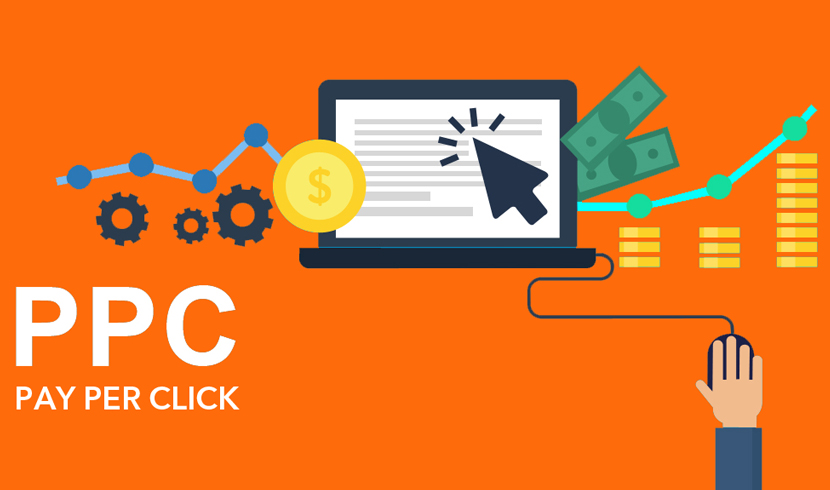
In the competitive landscape of digital marketing, Pay-Per-Click (PPC) has become an indispensable tool for businesses seeking fast, measurable, and highly targeted online visibility. Simply put, PPC is an online advertising model where advertisers pay a fee each time a user clicks on their ad, meaning you only pay when someone shows intent by engaging with your content. This model contrasts with traditional advertising that charges for impressions rather than engagement.
As we move into 2026, the Australian digital market continues to evolve, shaped by advancements in AI technology, data privacy regulations, voice and visual search, and a growing emphasis on personalised customer experiences. Understanding the trends and best practices for PPC in this dynamic environment is essential for businesses wanting to maximize returns on their advertising spend.
Understanding PPC: A Foundation
Before exploring trends, it’s important to define PPC and how it functions within a broader digital strategy. At its core, PPC enables advertisers to bid on keywords relevant to their offerings. When users search for those terms on platforms like Google or Bing, the advertiser’s ads may appear prominently in Search Engine Results Pages (SERPs). You only pay when someone clicks your ad, making it a cost-efficient approach to driving targeted traffic.
This model is widely used across search engines, social media platforms like Facebook and Instagram, and display networks. PPC campaigns can be tailored for various goals, from generating leads and boosting sales to raising brand awareness or remarketing to past visitors.
Key PPC Trends Shaping 2026 in Australia
1. AI and Machine Learning Integration
One of the most impactful trends transforming PPC in 2025 is the integration of artificial intelligence (AI) and machine learning. AI enables smart bidding, automatically adjusting bids in real time to maximise performance based on conversions and return on ad spend (ROAS). This shift allows advertisers to leverage predictive insights and reduce manual campaign management.
AI also supports dynamic ad copy generation, where advanced tools can tailor messaging to match audience intent, saving time and improving relevance. Additionally, platforms like Google’s Performance Max use AI to optimize ads across multiple channels, including Search, Display, YouTube, and Shopping, enhancing reach and engagement.
2. First-Party Data and Privacy-Centric Targeting
With the phase-out of third-party cookies and stricter privacy laws, first-party data has become a cornerstone of effective PPC campaigns. Advertisers are now focusing on collecting and utilizing data obtained directly from customers, through newsletter signups, website form submissions, and CRM systems, to build powerful audience segments.
This privacy-centric approach not only complies with regulations but also enhances targeting precision, enabling personalized ad experiences that resonate with users and improve conversion rates.
3. Voice and Visual Search Optimization
Search behaviors are shifting. By 2026, voice search (via smart speakers and mobile assistants) is becoming more prevalent, requiring advertisers to adjust keyword strategies to include conversational, long-tail queries. This trend means focusing on natural language and question-based keywords that mirror how people speak.
Similarly, visual search is gaining momentum. Users increasingly use images to find products and services, especially on mobile. Incorporating visual search optimization into PPC strategies — such as structured data and image-rich ad formats — can increase relevance and click-through rates.
4. Social Commerce and Video Advertising Growth
Social platforms are no longer just social; they’ve become powerful advertising ecosystems. By 2025, social commerce, where users purchase directly from ads on platforms like Instagram, TikTok, and Facebook, is expected to be mainstream. PPC strategies now increasingly feature video and interactive formats to capture attention and drive conversions.
Video content, especially short-form formats like Reels and Shorts, helps brands connect effectively with younger audiences and can significantly boost engagement when integrated into PPC campaigns.
Best Practices for PPC Success in 2025
1. Strategic Keyword Targeting and Quality Score Focus
Keyword research remains fundamental to PPC success. Advertisers should prioritise relevant, high-intent keywords while incorporating long-tail queries that align with user search behaviours. Ensuring high Quality Scores by optimising landing pages, improving ad relevance, and enhancing user experience, can lower costs and improve ad positioning.
2. Responsive Landing Pages and Mobile Optimisation
With the majority of PPC traffic coming from mobile devices, landing pages must be fully responsive. A strong landing page is clear, fast-loading, and designed to convert, significantly impacting overall campaign performance.
3. Ongoing Analytics and Conversion Tracking
Effective PPC is not set-and-forget. Continuously monitor campaign metrics, including clicks, conversions, CPC, and ROAS, and use tools like Google Analytics, GA4, and tracking pixels to make data-driven optimisations. Regular analysis helps refine targeting, budgets, and messaging.
Conclusion
As the digital landscape evolves, Pay Per Click in Australia is becoming more sophisticated, personalised, and performance-driven. By embracing AI, leveraging first-party data, adapting to new search behaviours, and applying data-backed best practices, businesses can unlock powerful PPC strategies that deliver measurable results in 2026 and beyond.
With thoughtful planning and continuous optimisation, PPC remains one of the most effective pathways to online visibility, engagement, and commercial success.
