



phlebotomy training
Phlebotomy is one of the fastest-growing clinical support careers in the UK. With hospitals, GP surgeries, private clinics, and community health organisations increasingly relying on skilled phlebotomists, more learners are eager to understand how to begin. Before you join a phlebotomy training course in the UK, it’s essential to know what the training involves, the entry requirements, career progression, and what you can expect from day one.
This comprehensive guide addresses the most frequently asked questions by future learners, enabling you to make a confident and informed decision.
What Is Phlebotomy Training?
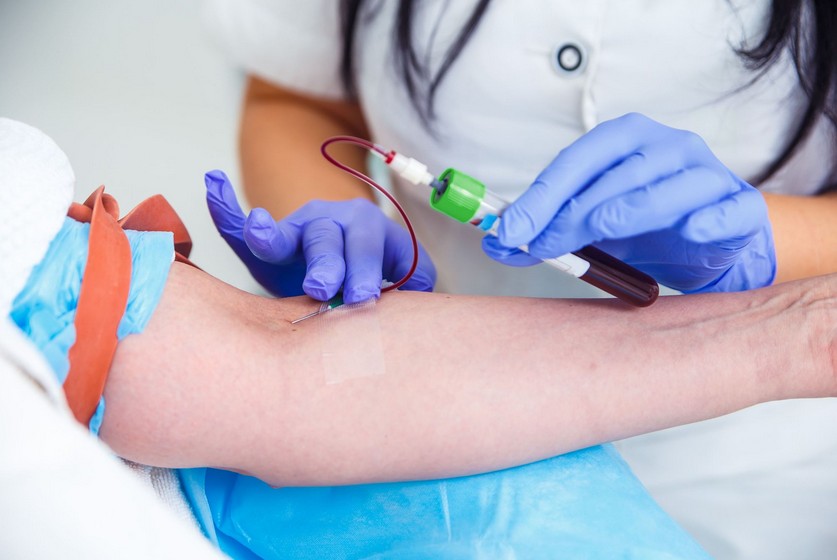
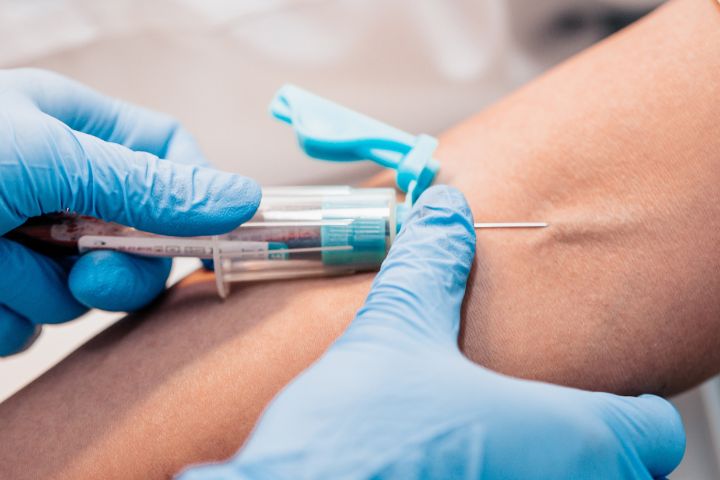
Phlebotomy training teaches you how to collect blood samples safely and accurately from patients. The training combines theory with hands-on practice to ensure you meet industry standards.
You will cover:
- Anatomy and physiology
- Infection prevention and control
- Venepuncture techniques
- Patient identification and consent
- Sample labelling and handling
- Managing difficult draws
- Safety procedures and sharps disposal
Training prepares you for real-world clinical environments, equipping you with the competence and confidence to work safely and professionally.
Who Can Enrol in Phlebotomy Training?
Most phlebotomy courses in the UK are open to:
- Healthcare assistants
- Support workers
- Aspiring phlebotomists with no experience
- Individuals seeking a career change
- Students exploring healthcare pathways
Some providers may ask for:
- Basic English proficiency
- A good standard of communication
- Proof of ID
- Completion of online pre-learning modules
No prior medical background is required, making the field accessible to a wide range of learners.
What Skills Will You Learn?
Phlebotomy courses focus on both theoretical knowledge and practical expertise. During training, you will learn how to:
- Perform venepuncture correctly
- Identify common veins
- Use safety equipment effectively
- Engage with patients professionally
- Handle samples for laboratory analysis
- Maintain compliance with UK clinical guidelines
These are core competencies required by the NHS and private employers.
How Long Does Phlebotomy Training Take?
The duration depends on the training provider, but most UK courses follow this structure:
- Introductory or Theory Course: 1 day (online or classroom)
- Practical Training: 1 day of supervised venepuncture
- Competency Completion (Optional): Additional clinical placement to complete a required number of successful blood draws
This makes phlebotomy one of the quickest healthcare roles to enter.
Is Phlebotomy Training Difficult?
Phlebotomy is a skilled procedure, but with proper training, most learners perform very well. Courses are designed to make the process easy to understand, providing:
- Demonstrations
- Step-by-step guidance
- Practice on the simulation arms
- Supervised venepuncture on live patients (depending on provider)
Learners who pay attention, practise consistently, and follow safety protocols tend to excel.
Do I Need Certification to Work as a Phlebotomist?
While phlebotomy isn’t a protected profession in the UK, certification is strongly preferred by employers—especially NHS trusts and private clinics. Completing a recognised course improves your employability and demonstrates competence. Many learners enrol in phlebotomy training courses in the UK to meet this requirement and enhance their CV before applying for clinical roles.
Where Do Phlebotomists Work in the UK?
Qualified phlebotomists can work in:
- NHS hospitals
- GP practices
- Diagnostic laboratories
- Private healthcare clinics
- Blood donation centres
- Mobile medical units
- Research centres
Your training gives you the flexibility to build a career in various healthcare settings.
What Are the Career Prospects?
Phlebotomy offers excellent entry-level opportunities with room for growth. After gaining experience, you can progress into roles such as:
- Senior phlebotomist
- Clinical team leader
- Laboratory technician
- Healthcare assistant
- Donor carer
- Assistant practitioner
Some learners also use phlebotomy as a stepping stone to nursing, midwifery, or other clinical professions.
How Much Does Phlebotomy Training Cost?
Prices vary depending on the provider and level of training:
- Introductory Courses: £80–£150
- Practical Courses: £150–£350
- Full Competency Programmes: £400–£800
Always check whether the course includes certification and hands-on practice.
Conclusion
Phlebotomy is a rewarding and accessible healthcare career with strong demand across the UK. Whether you’re seeking a new role, returning to work, or expanding your clinical skills, high-quality training is the foundation of your success. Understanding these FAQs will help you select the right course, prepare effectively, and embark on your career journey with confidence. Read more related blog here.
FAQs
1. Can I become a phlebotomist with no healthcare experience?
Yes. Most courses are beginner-friendly and designed for learners without a medical background.
2. How many blood draws are required to be competent?
It varies by provider, but many require 10–30 successful venepunctures during supervised practice.
3. Is phlebotomy a promising career in the UK?
Absolutely. Phlebotomists are in high demand in NHS and private settings across the UK.
4. Do I need a DBS check?
Yes, many employers will require a current DBS certificate before you start work.
5. Can I work immediately after completing the course?
Some employers hire immediately after training, while others may want proof of competency.
About the Author