Plumbing emergencies can strike at any time. Whether it’s a burst pipe in the middle of the night, a blocked toilet just before guests arrive, or a sudden leak under the kitchen sink, these situations can cause serious stress and damage if not handled properly. The good news is, knowing what to do in the first few minutes can make a huge difference. Acting quickly and safely can prevent water damage, reduce costs, and keep your home and family safe.
What Counts as a Plumbing Emergency?
A plumbing emergency is any situation that requires immediate attention to prevent damage to your home or property. Common examples include:
- Burst or leaking pipes that flood a room
- Overflowing toilets or severely blocked drains
- Sudden loss of hot water due to heater failure
- Water or gas heater leaks
- Flooding caused by broken appliances, such as washing machines or dishwashers
Even small leaks can escalate quickly if ignored. That’s why it’s important to act calmly but promptly whenever a plumbing issue arises.
What Should You Do First?
When a plumbing emergency occurs, the first priority is safety. Make sure everyone in your home, including pets, is out of immediate danger. Keep clear of wet areas near electrical appliances or outlets, as water and electricity together can be extremely dangerous.
Shut Off the Water Supply
Stopping the flow of water is the most important step. Locate your main water shut-off valve, usually near the water meter or under the kitchen sink and turn it off. This prevents further flooding and helps contain damage.
Turn Off Electricity if Necessary
If water is close to electrical outlets or appliances, switch off the power at the main switchboard. This step is essential to avoid the risk of electrocution and protects both your family and your home.
Contain the Leak
If water is leaking or flooding an area, use towels, buckets, or even plastic sheeting to contain it. This won’t fix the problem, but it will reduce damage while you wait for professional help.
Can You Handle It Yourself?
Some minor issues can be managed temporarily at home, but always know your limits. Attempting complex repairs without experience can make the problem worse. Simple steps you can safely try include:
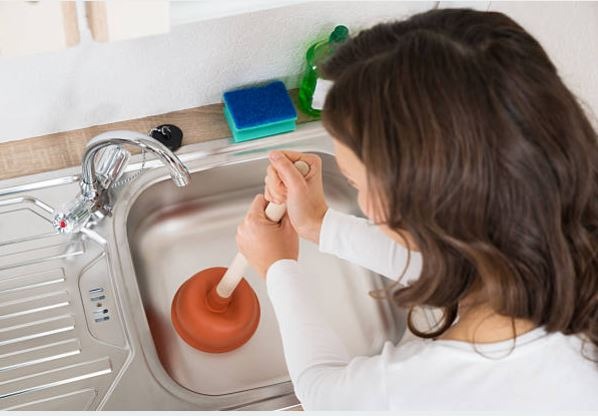
- Using a plunger for a blocked sink or toilet
- Placing buckets or towels under a small leak
- Turning off affected appliances, such as washing machines or dishwashers
Avoid DIY solutions like chemical drain cleaners during major leaks or floods. These can react dangerously with water or cause permanent damage to your pipes.
How to Minimise Damage While Waiting
While waiting for professional help, there are a few simple steps to reduce damage:
- Protect your belongings: Move furniture, electronics, rugs, and valuables away from water.
- Contain the water: Towels, buckets, and even old blankets can soak up water and limit the spread.
- Document the damage: Take photos for insurance purposes. This is helpful if you need to make a claim later.
- Keep family members safe: Ensure children and pets stay clear of wet areas.
Even small actions can save you from much larger problems later.
When Should You Call a Professional?
You should call a plumber immediately if the emergency involves:
- Major leaks or flooding
- Burst pipes or broken hot water systems
- Blocked drains that cannot be cleared safely
- Any plumbing issue near electrical systems
For residents seeking reliable, fast help, expert Para Hills plumbing services provides trained professionals who can quickly assess the situation, stop leaks, and restore your home’s plumbing safely.
What to Expect When a Plumber Arrives
When a professional plumber comes to your home, they will:
- Inspect the affected areas to understand the cause of the emergency
- Shut off water or isolate the problem to prevent further flooding
- Repair or replace damaged pipes, fixtures, or appliances
- Advise on preventing similar emergencies in the future
Communicating clearly about what happened and showing the plumber the affected areas helps them work efficiently. The right professional can resolve issues quickly, giving you peace of mind.
Can Plumbing Emergencies Be Prevented?
While not all emergencies can be avoided, regular maintenance can significantly reduce their likelihood. Here are some simple preventive measures:
- Inspect pipes and appliances regularly: Look for small leaks, rust, or signs of wear.
- Avoid flushing inappropriate items: Items like paper towels, sanitary products, and wet wipes can block drains.
- Check water pressure: High water pressure can stress pipes and cause leaks.
- Schedule professional inspections: Annual plumbing check-ups can catch issues early.
Preventive care doesn’t guarantee that emergencies won’t happen, but it reduces frequency and severity.
Conclusion
Plumbing emergencies can occur without warning, but knowing what to do before help arrives makes a significant difference. Prioritising safety, acting quickly, and knowing your limits are essential steps in preventing further damage.For homeowners across Australia seeking reliable emergency plumbing solutions, Distinct Plumbing offers prompt, professional services with a focus on safety, clear communication, and quality workmanship. Their experienced team is ready to assist when urgent issues arise, ensuring your home is protected and your plumbing problems are solved efficiently. Don’t wait for a small leak to turn into a big problem. Call or book online to get help when you need it most.
