


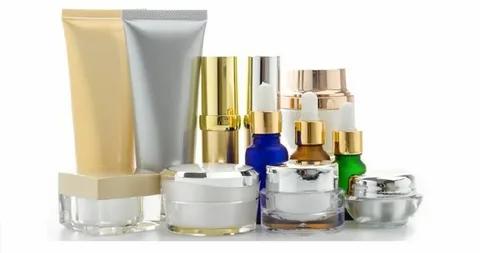
The beauty industry is growing faster than ever, and private label skin care has become one of the smartest ways for entrepreneurs to launch a successful brand without creating products from scratch. Whether you are starting a beauty business, expanding an existing cosmetics line, or entering the wellness market, private label skin care gives you a cost-effective and scalable solution.
In simple terms, private label skin care means purchasing ready-made skincare formulas from a manufacturer and selling them under your own brand name. This model allows businesses to focus on branding, packaging, customer experience, and marketing while the supplier handles production and compliance. For startups, salons, dermatology clinics, influencers, and eCommerce sellers, this business model offers speed, affordability, and flexibility.
The biggest reason why private label skin care is becoming popular is that consumers now trust niche beauty brands more than mass-market products. People want personalized solutions, natural ingredients, luxury packaging, and targeted formulas. This creates a perfect opportunity for new brands to enter the market with high-quality serums, moisturizers, cleansers, sunscreens, and anti-aging products.
What Is Private Label Skin Care?
Private label skin care refers to skincare products manufactured by a third-party company and sold under another company’s branding. Instead of spending years on research and development, you can choose proven formulas and customize labels, packaging, scents, and product positioning.
This model is ideal for those who want to launch products like face washes, vitamin C serums, body lotions, acne creams, and organic skincare lines. The manufacturer usually offers ready-to-brand formulas, helping businesses go live quickly in online stores, salons, and retail shelves.
Another advantage of private label skin care is the ability to test the market with minimal risk. Since the formulas are already developed and tested, you can focus your energy on building customer trust and creating a memorable brand identity.
## Why Private Label Skin Care Is a Smart Business Model
The skincare market continues to expand because people are investing more in self-care and wellness. Consumers are now looking for solutions for acne, dryness, pigmentation, anti-aging, and sun protection. Launching a skincare brand through private label skin care allows you to meet these needs without the high cost of manufacturing your own products.
This approach significantly reduces startup expenses. Traditional cosmetic manufacturing requires lab testing, chemists, ingredient sourcing, packaging design, and legal approvals. With private label skin care, much of this process is already completed by experienced suppliers.
It also helps brands scale faster. Once your first product performs well, you can expand into complete skincare routines including cleansers, toners, moisturizers, eye creams, and face masks.
## Benefits of Starting a Private Label Skin Care Brand
One of the main benefits of private label skin care is speed to market. Instead of waiting months or years, your products can be ready in weeks. This gives you an advantage in trend-driven markets where ingredients like niacinamide, hyaluronic acid, retinol, and peptides quickly gain popularity.
The second major benefit is low minimum investment. Many suppliers now support low MOQ options, allowing startups to begin with small quantities. This is especially useful for online sellers testing demand.
The third advantage is branding freedom. You can create a premium image, eco-friendly identity, dermatologist-focused line, or luxury spa collection. Private label skin care gives you the flexibility to shape the customer experience according to your business goals.
How to Choose the Right Manufacturer
Choosing the right manufacturer is the most important decision in your private label skin care journey. A good supplier ensures product quality, compliance, ingredient transparency, and consistent packaging standards.
Always look for manufacturers with GMP-certified facilities and strong quality control. Check if they offer cruelty-free, vegan, sulfate-free, paraben-free, and organic formulations. These features improve brand trust and help products appeal to modern skincare buyers.
Ask about customization options, fragrance choices, active ingredients, packaging materials, and label design support. A reliable private label skin care manufacturer should also help with product stability, shelf life, and regulatory documentation.
Best Products to Launch First
When entering the skincare market, start with products that solve common problems. Best-selling private label skin care items usually include gentle cleansers, hydrating moisturizers, vitamin C serums, acne spot treatments, SPF creams, and anti-aging night serums.
Face serums perform especially well because they are easy to market and allow strong ingredient-based branding. For example, products focused on hyaluronic acid, retinol, or salicylic acid often gain traction quickly.
Moisturizers and sunscreens are also excellent choices because they fit daily skincare routines. Customers repurchase these products regularly, making them ideal for recurring revenue.
Branding Strategy for Better Sales
Branding is what separates your business from thousands of competitors in private label skin care. A strong brand should clearly communicate your product benefits, ingredient story, and target audience.
If your focus is luxury skincare, use elegant packaging and premium messaging. If you want a natural beauty line, emphasize plant-based extracts, clean beauty formulas, and sustainable packaging.
Your brand voice should remain consistent across product labels, website descriptions, packaging inserts, and social media. Since private label skin care products may have similar base formulas across suppliers, branding becomes the main driver of customer loyalty.
SEO and Content Marketing for Your Skin Care Brand
A skincare business needs visibility, and SEO is one of the most effective ways to grow organic traffic. Writing blog content around private label skin care, skincare routines, ingredient education, and skin concerns helps attract customers who are already searching for solutions.
Long-form content works well because it answers multiple customer questions in one place. Articles about anti-aging skincare, acne treatment, dark spot removal, and hydration routines can naturally lead customers toward your product pages.
Use LSI keywords like custom skincare products, white label cosmetics, skin care manufacturer, beauty brand development, and cosmetic product line throughout your content. This strengthens semantic SEO and helps pages rank better in search engines.
Common Mistakes to Avoid
Many beginners fail in private label skin care because they choose products based only on trends instead of long-term customer needs. A viral ingredient may sell quickly, but timeless essentials like cleansers and moisturizers build sustainable revenue.
Another common mistake is poor packaging. Even the best formula can struggle if the design looks generic or low quality. Packaging must reflect trust, safety, and professionalism.
Ignoring customer education is another issue. People want to know how to use products, what skin type they suit, and how long results may take. Brands that explain this clearly usually perform better.
How to Scale Your Brand Successfully
Scaling a private label skin care brand requires more than launching new products. The key is building repeat customers through routines and bundles.
Once a serum gains traction, pair it with a cleanser and moisturizer for a complete skincare system. Customers are more likely to buy a routine than a single product.
Subscription models also work well in skincare because most products are repurchased monthly. By offering replenishment plans, your private label skin care business can create stable recurring income.
As your brand grows, consider expanding into men’s skincare, body care, lip care, and sun protection categories.
Future Trends in Private Label Skin Care
The future of private label skin care looks highly promising. Consumers are demanding ingredient transparency, science-backed formulations, and personalized routines.
Trends like microbiome skincare, probiotic formulas, peptide technology, and AI-based skin analysis are opening new growth opportunities. Brands that combine innovation with strong storytelling will dominate future markets.
Sustainability is another major trend. Refillable packaging, recyclable containers, and eco-conscious ingredients are becoming essential for brand credibility.
Conclusion
Starting a beauty brand through private label skin care is one of the most practical and profitable business opportunities in today’s market. It offers low startup costs, fast product launches, flexible branding, and strong growth potential. Whether your goal is to sell online, in clinics, or through salons, this model allows you to build a premium skincare identity without the burden of in-house manufacturing.
The real success of private label skin care comes from choosing the right supplier, understanding customer pain points, and building a trustworthy brand story. With the right SEO strategy, strong packaging, and quality-focused formulas, your skincare business can grow into a long-term profitable brand.
About the Author